Problem Solving
How Fast Does Mold Grow After a Leak? Inside the 24–48 Hour Window
The number everyone quotes is 24 to 48 hours. Here is what is actually happening in that window, and why it drives the whole industry.
Water spreading right now? Call before you finish reading — crews are dispatched during the conversation, 24/7.
+1 (201) 277-9344The short answer
Colonization can begin within 24 to 48 hours on wet organic materials — drywall paper, cabinet backing, carpet padding, framing. Visible growth and odor typically appear between days three and seven. Warmth accelerates it, and the enclosed environment inside a wall cavity stays humid regardless of how dry the outdoor climate is.
Mold spores are already in your house. They are in every house, everywhere, all the time. They are inert until three things line up: moisture, a food source, and time.
A water loss supplies the first two instantly. The third is the only variable you control.
What the Food Source Actually Is
The organic materials in modern construction are exactly what mold grows on.
The paper facing on drywall. The backing on cabinets. Carpet padding and the glue in it. Wood framing and subfloor. Cellulose insulation. Dust and organic soil that has settled on any surface.
None of these are unusual materials. They are what a house is made of, which is why the 24-to-48-hour figure applies so broadly rather than to some special case.
What Happens Hour by Hour
Hours 0–8. Water spreading and being absorbed. Materials wetting through. Nothing biological yet, and this is when extraction removes the most.
Hours 8–24. Absorption into porous materials completing. Humidity rising in enclosed spaces — wall cavities, toe kicks, under flooring. Conditions becoming favorable.
Hours 24–48. Colonization can begin on the most vulnerable materials, typically drywall paper and cabinet backing in enclosed, unventilated spaces.
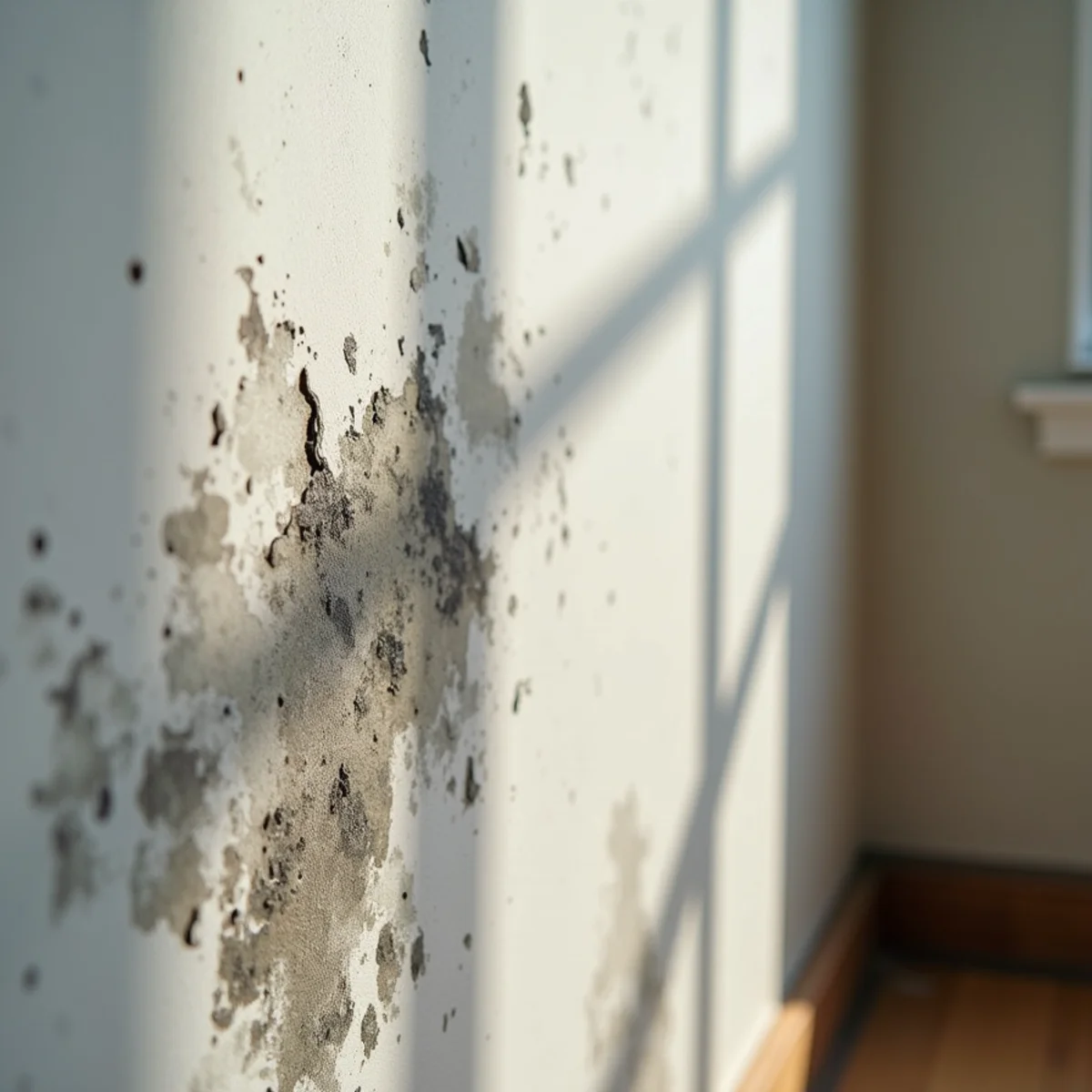
Days 3–7. Visible growth possible. Odor usually noticeable. The job has changed category from drying to remediation.
Warmth accelerates all of it, which is why summer losses in an unconditioned garage or attic move faster than winter losses in a cool room.
Why Southern California Does Not Get a Pass
The regional dry climate misleads people badly. Outdoor relative humidity here is low most of the year, and homeowners reasonably assume things dry out on their own.
The problem is that the relevant environment is not outdoors. The inside of a wall cavity holding water from a slab leak is its own microclimate: enclosed, unventilated, and humid regardless of what the weather is doing outside. A toe-kick void under a kitchen cabinet is the same.
That is why we find mold in Whittier homes at the same rate as anywhere else — it is in the enclosed spaces, not on the open surfaces where the dry air would help.
The Only Reliable Prevention
Remove the water, then dry the materials to verified moisture levels inside the window. That is it. Nothing else is close.
Antimicrobial treatment is a useful secondary defense in high-risk areas and it is applied on most jobs — but it is not a substitute for drying. Applying antimicrobial to a wall cavity that is still wet is treating the symptom of a problem you are leaving in place.
This is the entire reason 24/7 emergency water removal exists as a service category. It is not about convenience. It is about the clock.
If You Are Already Past 48 Hours
It is not a cliff edge. Growth beginning is not the same as growth established, and the response is still the same: get the water out and dry the materials.
What changes is the inspection. Where a loss has been sitting, we look inside cavities rather than assuming, and any visible growth switches the job to a contained mold remediation scope with negative air and controlled removal.
Late is much better than never. The cost curve keeps rising for as long as the material stays wet.
The Number That Actually Matters Is Not Hours
The 24-to-48-hour window is a useful headline and it is not the variable technicians work to. What determines whether growth establishes is water activity — how much moisture is available in the material itself, expressed on a scale where most problem species need roughly 0.8 and above to get going.
That reframing explains several things the hours-based version does not. It explains why a material can be past 48 hours and fine, because it never got wet enough. It explains why a cavity can be a problem at 72 hours while the room it sits behind is unaffected, because the enclosed space held humidity while the open room ventilated. And it explains why drying to a verified standard is the only reliable prevention: you are not racing a clock so much as pulling the moisture below the level at which growth is possible, and then proving with a reading that you have.
It also sets a realistic expectation about antimicrobials. They are applied on most jobs and they are a sensible secondary defense on high-risk surfaces. They are not a substitute for drying, because a treated material that stays wet will grow again — the treatment addresses what is there now, the drying addresses whether anything can establish next week. Any conversation that offers spraying instead of drying has the order backwards.
The bottom line
Twenty-four to forty-eight hours, from wet to colonizing, on materials your house is made of.
The only variable you control is how fast the water leaves. That is the whole strategy.