Problem Solving
Category 1, 2, or 3? Why the Type of Floodwater Changes the Entire Cleanup
The first question the dispatcher asks is where the water came from. It determines the protocol, the protective equipment, and what you get to keep.
Water spreading right now? Call before you finish reading — crews are dispatched during the conversation, 24/7.
+1 (201) 277-9344The short answer
Category 1 is clean water from a supply line, water heater or ice-maker line. Category 2 is gray water from a dishwasher, washing machine or overflowed sink. Category 3 is grossly contaminated — sewage, a toilet overflow past the trap, or storm water that crossed the ground. The category decides what can be dried and what has to be removed.
It sounds like small talk. It is the single most consequential piece of information in the entire job.
The category of water decides whether materials are dried or removed, whether crews work in containment, how disposal is handled, and — often — what your insurer will pay.
Category 1 — Clean Water
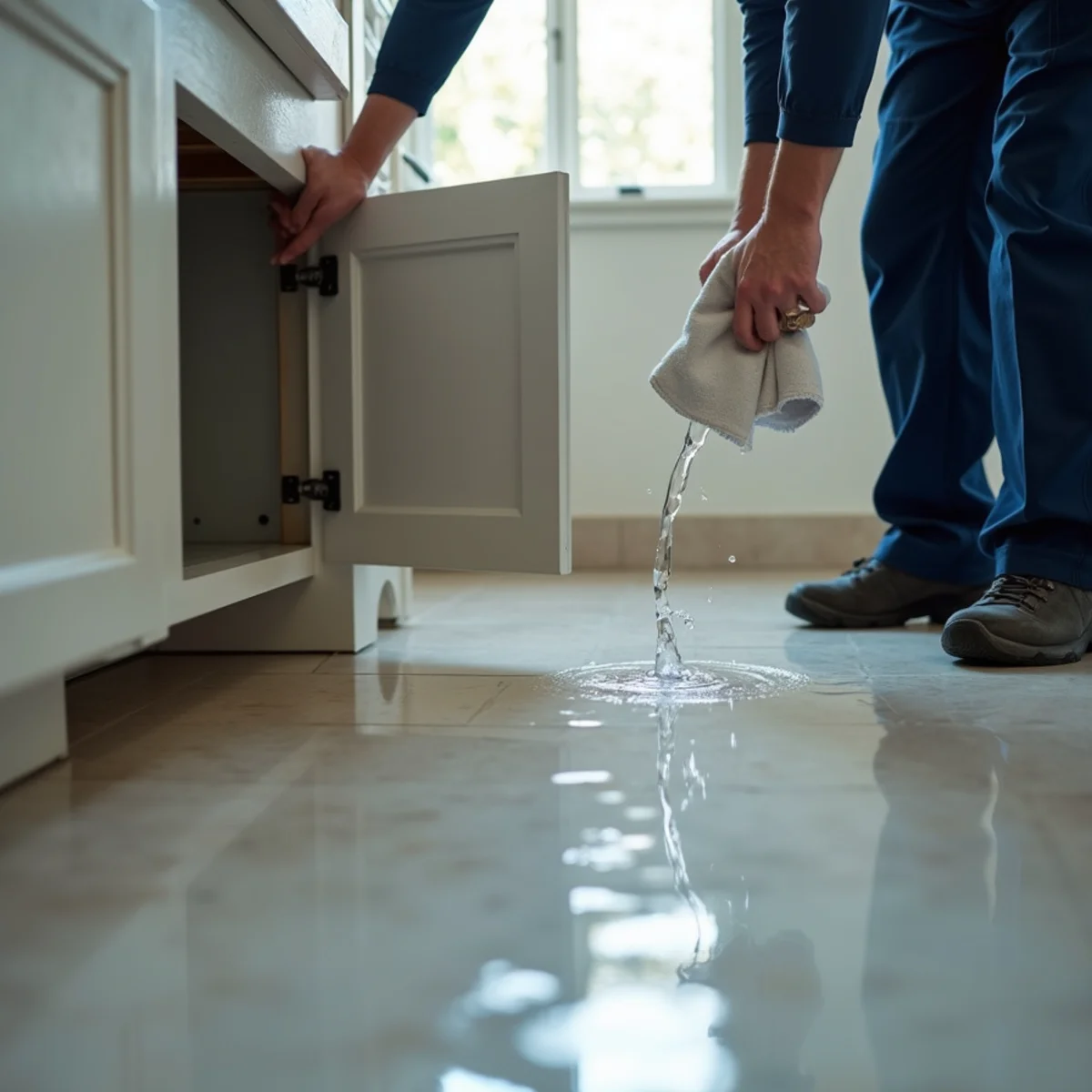
Water from a sanitary source that poses no substantial health risk: a broken supply line, a water heater, an ice-maker line, a tub or sink overflowing with clean water.
What it means practically: most materials can be dried in place if the response is quick. Carpet is frequently salvageable, though padding depends on duration. Drywall usually dries. Crews work without containment in most cases.
This is the cheapest scenario and the one where speed pays off most.
Category 2 — Gray Water
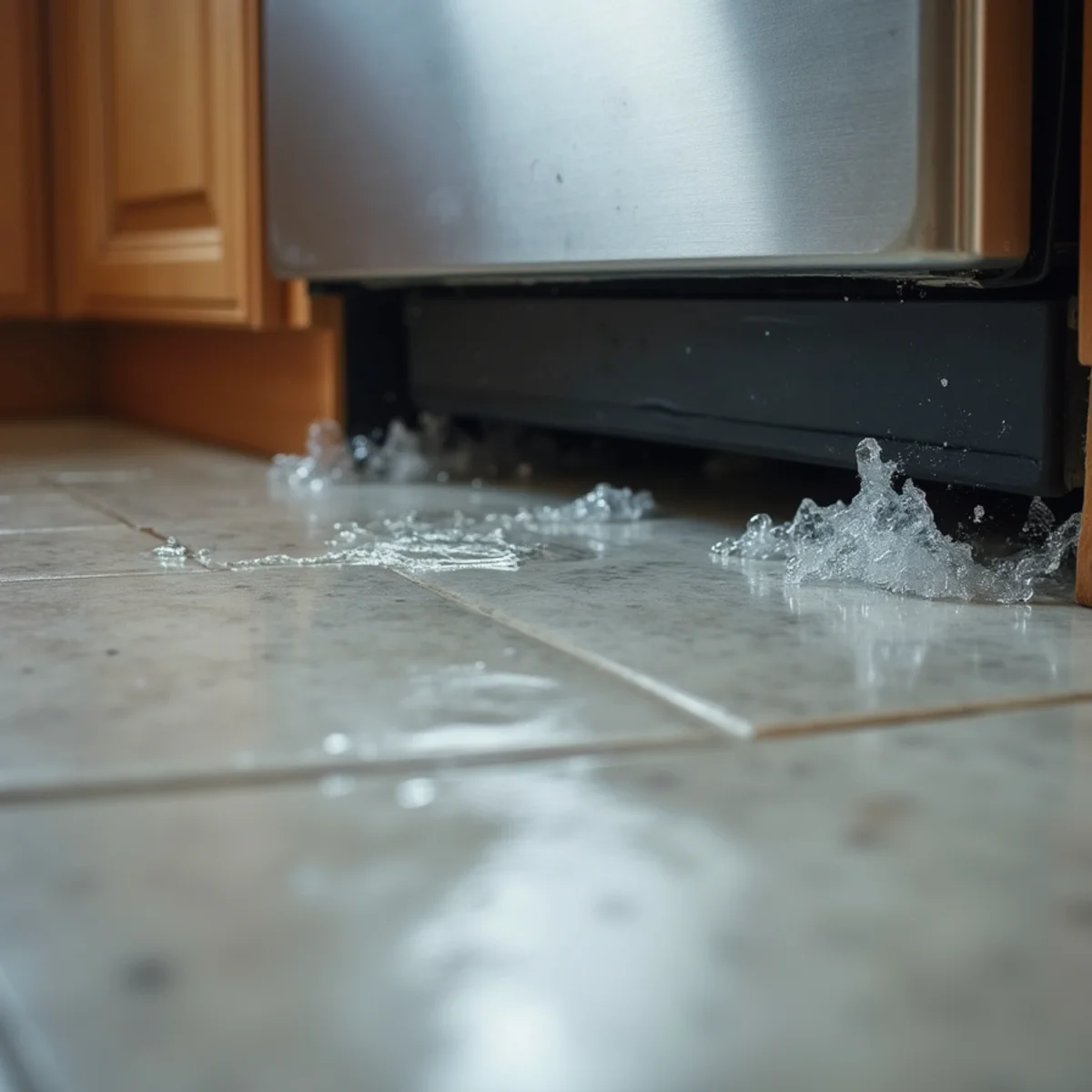
Water with significant contamination that could cause discomfort or illness: dishwasher and washing machine discharge, toilet overflow containing urine but no solids, and aquarium or waterbed water.
What it means practically: carpet padding comes out. Drying is paired with antimicrobial treatment. Some porous materials are removed depending on duration and extent. Crews use appropriate protective equipment.
Category 3 — Black Water
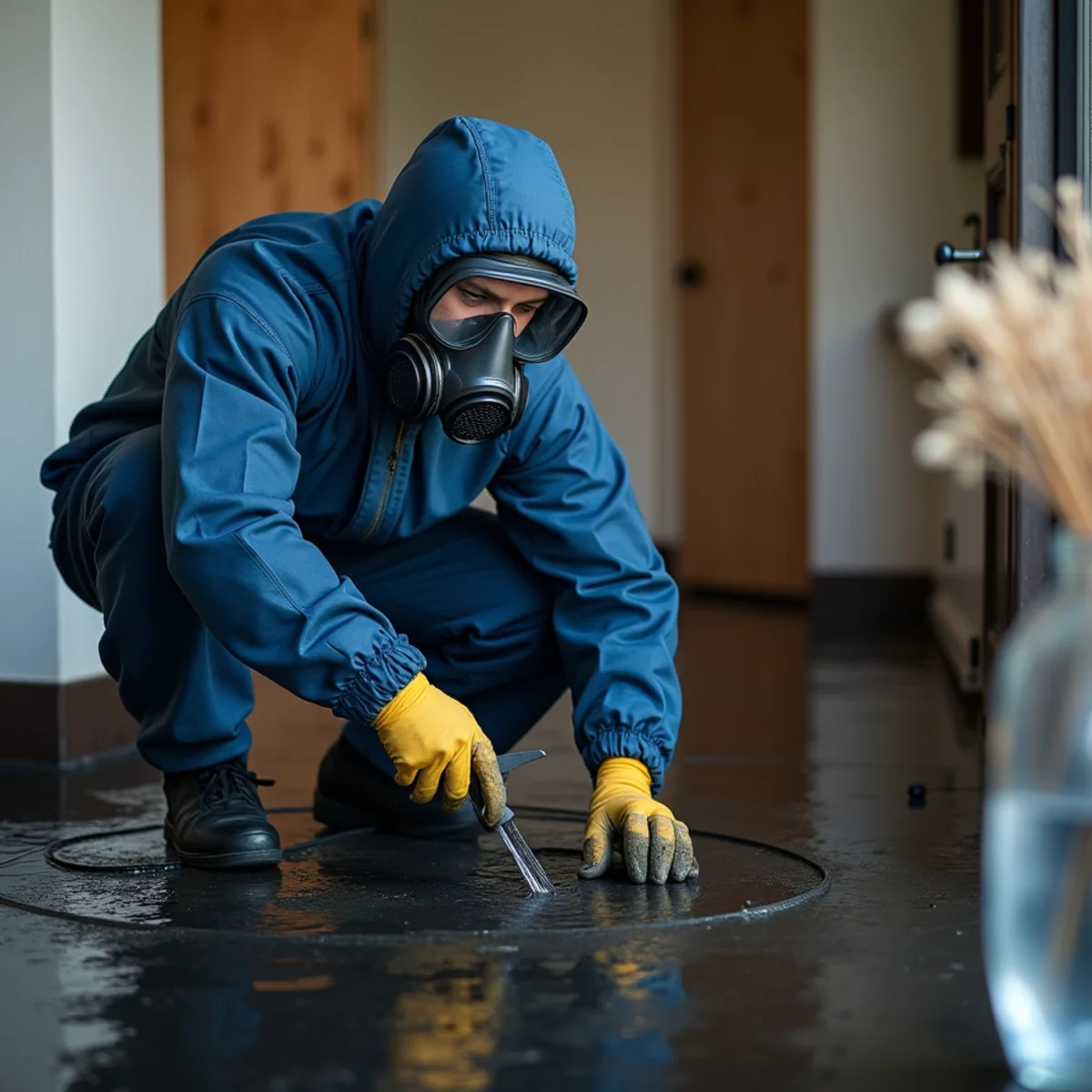
Grossly contaminated water carrying pathogens and toxins: sewage backups, toilet overflows past the trap, seawater, rising groundwater, and any storm water that has crossed the ground.
What it means practically: porous materials that absorbed it are removed rather than cleaned. Containment and negative air. Full PPE on every entry. Regulated disposal. Clean-then-disinfect on all remaining surfaces before drying begins.
This is the most expensive category per square foot, and every element of that cost is protocol driven rather than optional.
Categories Degrade — Which Is Why Time Matters
This is the part people miss. The classification describes what the water is now, not what it was when it arrived.
Clean supply water sitting in a warm house for 48 hours, in contact with dirty flooring, soil and organic material, becomes Category 2. Category 2 left longer becomes Category 3. Temperature, contact materials and time all drive the progression.
So a burst pipe found on Monday morning after a weekend away may not be a Category 1 job at all, even though the source was clean. That is one of the strongest arguments there is for calling within the hour rather than waiting.
Why It Matters for Your Claim
Carriers respond differently to different categories, and the source is what they assess.
Sudden discharge of Category 1 water from inside the home is the classic covered loss. Category 3 from a sewer backup is generally excluded without a water backup endorsement. Category 3 from storm water off the ground is generally a flood matter rather than a homeowners one.
Because so much turns on the source and the classification, we document both carefully from the first visit — see how the protocol differs between flood cleanup and sewage cleanup.
Reclassification Mid-Job: Why It Happens and What It Changes
A category is not assigned once and left alone. It describes the water as it is now, and because contamination increases with time, temperature and contact with soiled materials, a job can legitimately be reclassified partway through — usually upward.
The common triggers are all things that surface after the first visit. A cavity gets opened and there is existing growth on the framing from an older, unrelated leak. The source turns out to be a drain line rather than a supply line. Extraction reaches a section of carpet that has been holding water against a soiled subfloor for three days. Or the loss is simply older than the homeowner believed — a slow leak found on the day it finally showed, not the day it started.
Reclassification is not a pricing maneuver, but it does change the scope, and honest practice is to explain the trigger at the moment it happens rather than at the invoice. It should come with a reason, a reading or a photograph, and a revised scope in writing. Expect it to change three things: more porous material comes out instead of being dried, containment and negative air get added if they were not already there, and disposal and antimicrobial line items appear. If a category changes and nobody can tell you exactly what they found that changed it, ask.
The bottom line
Clean, gray, black. The source sets it, time makes it worse, and it decides almost everything about the job.
When you call, be as precise as you can about where the water came from. It is the most useful thing you can tell us.