
Water Damage Restoration · Whittier, CA
Sewage Cleanup & Backup Removal in Whittier, CA
Black-water backups removed under full containment, then disinfected, deodorized and dried to a verified sanitary condition.
- 24/7 emergency dispatch
- 60-minute target response
- IICRC-certified technicians
- Direct insurance billing
Stop using every drain in the house. Keep people and pets out of the affected rooms. Then call.
A sewage backup is Category 3 water — grossly contaminated, carrying bacteria, viruses and parasites. It is the one water loss where the health risk genuinely outweighs the property damage, and it is the one homeowners most often try to clean themselves with a mop and a bottle of bleach. Bleach on a porous surface sanitizes the top layer and leaves the contamination that soaked in below it.
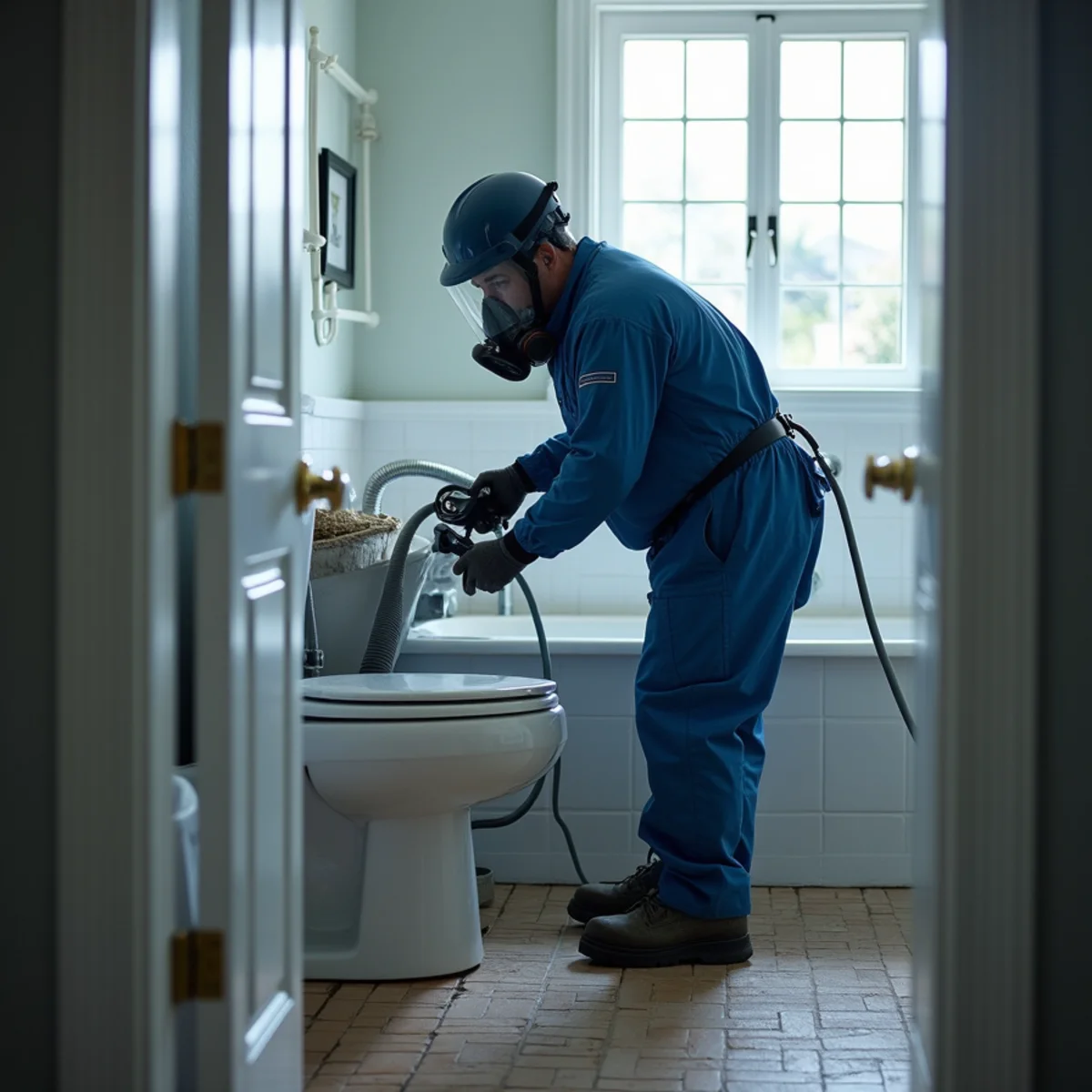
Our crews work this under containment, in appropriate personal protective equipment, with regulated disposal of everything porous that the water touched. The goal is not "looks clean." It is a structure returned to a verifiably sanitary condition.
What you actually get
What Sewage Cleanup Includes
Category 3 work has a fixed protocol. Every item below is standard scope on our jobs — if a competing quote omits one, ask why.
Sealed containment and negative air
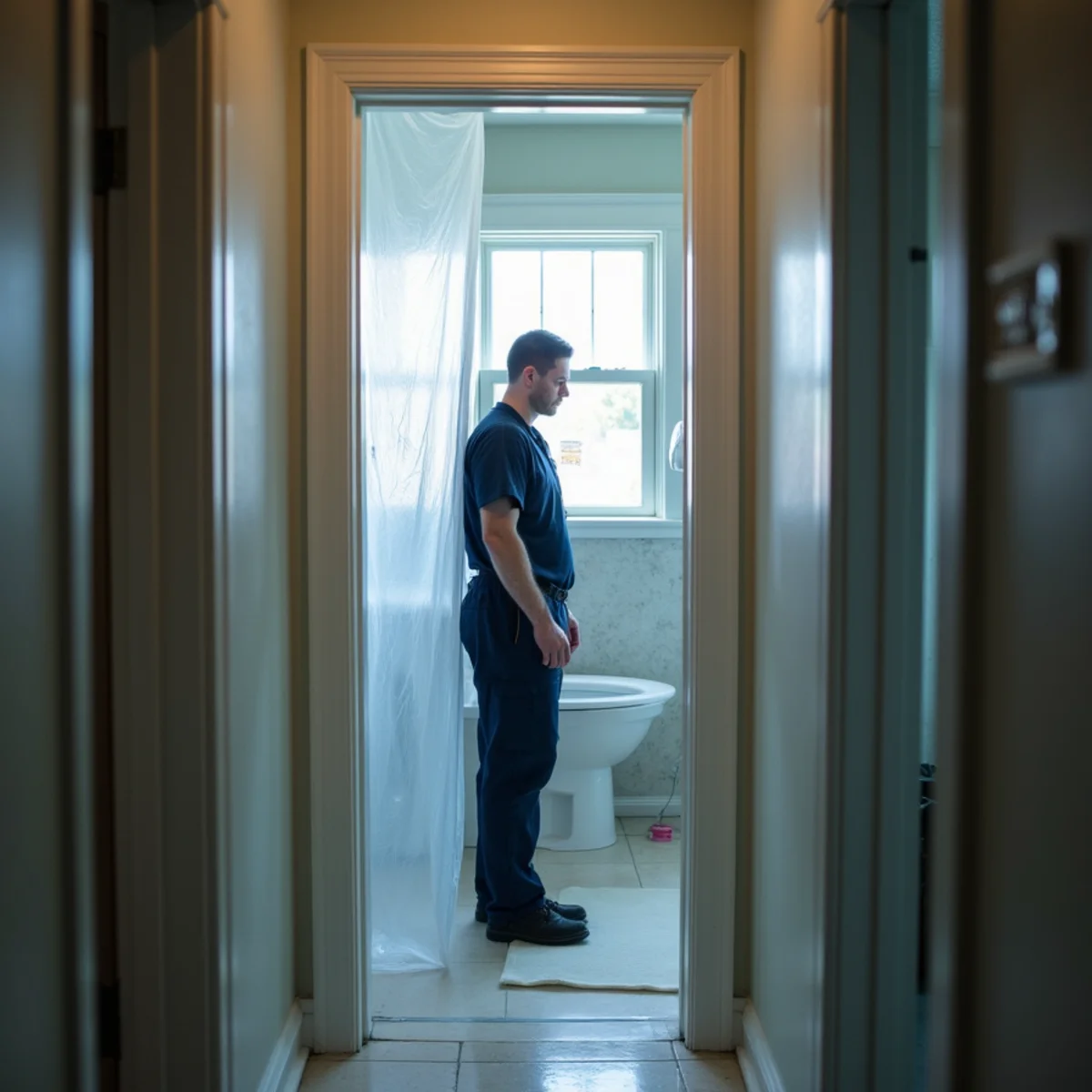
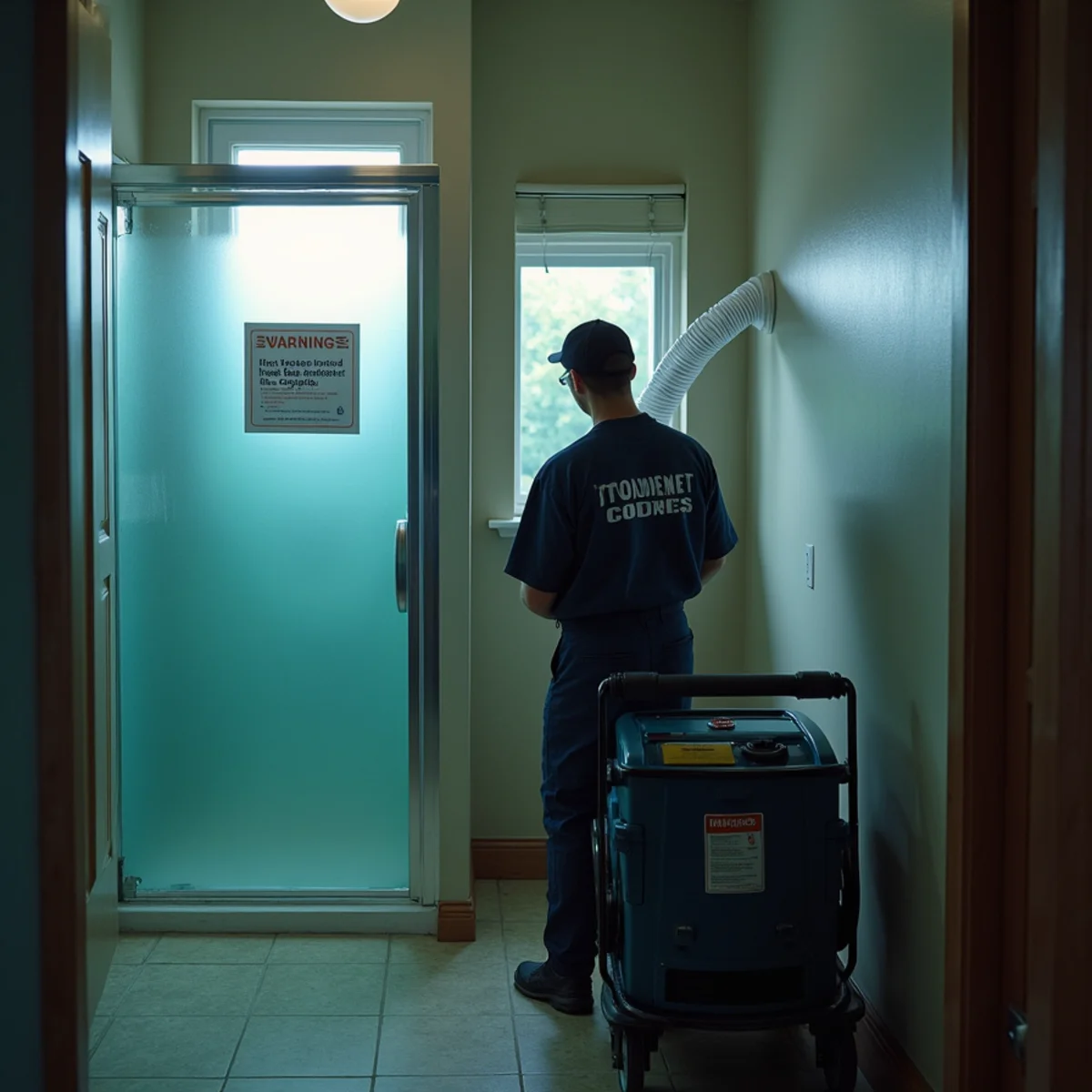
Poly barriers around the affected zone, HEPA-filtered negative air so contaminated air flows in rather than out, and HVAC registers sealed.
Dedicated extraction equipment
Contaminated water and solids removed with gear that never touches a clean-water job, plus full PPE consumed on every entry.
Regulated porous removal
Carpet, pad, affected flooring, wet insulation and drywall to a documented cut line — bagged inside containment before being carried out.
Clean before disinfect
Never the other way round. Antimicrobials are neutralized by organic soil, so a disinfectant sprayed over a floor that still holds contamination in the grout lines treats the top layer and nothing beneath it. Hard surfaces are cleaned mechanically, framing and concrete are cleaned then treated, and the product is matched to the substrate with its stated dwell time observed rather than wiped off early.
HVAC assessment
If the air handler ran during the backup, the duct system is assessed separately — that is how a bathroom event becomes a whole-house one.
Verification and deodorizing
Drying to documented readings, then odor treatment only once the contaminated source material is confirmed gone — never instead of removing it.
Why Whittier Sees So Many Lateral Failures
The sewer lateral — the private line from your house to the city main — is the homeowner's responsibility, and in older Whittier neighborhoods a lot of them are original.
Homes built before roughly 1970 in Central Whittier, Uptown Whittier and Penn Park commonly ran vitrified clay tile in short jointed sections, or cast iron. Clay is brittle and its joints are exactly what tree roots find. The mature street trees that make those neighborhoods pleasant to walk are the same trees whose roots have been probing those joints for fifty years. Cast iron corrodes from the inside, scales, and gradually loses diameter until one wipe of the wrong thing blocks it entirely.
The failure pattern is seasonal too. Roots grow toward moisture, so summer is when they invade; the first heavy November rain then loads the system and the partially blocked line finally backs up. If you have had two slow-drain episodes in a year, you do not have a clog — you have a line problem, and the third one will be a backup.
What Has to Go
Under IICRC standards, porous materials contaminated by Category 3 water are removed rather than cleaned. That is not upselling. It is that there is no reliable way to decontaminate the inside of a material you can only treat from the surface.
Removed: carpet and padding, laminate and engineered flooring, particle board and MDF cabinet bases, wet insulation, and drywall to a documented height above the contamination line. Cleaned and kept: tile, sealed concrete, metal, solid wood, and hard non-porous surfaces, after a full clean-then-disinfect cycle. Assessed individually: solid hardwood, and any contents with real value.
Everything removed is photographed in place, then bagged and documented for disposal — both because your carrier will want the record and because a sewage claim gets questioned more than most.
Odor Is a Verification Problem, Not a Perfume Problem
If a room still smells of sewage after cleanup, something contaminated is still in the building. That is the whole diagnosis.
We do not mask odor. We find the residual source — most often saturated subfloor, an untreated wall cavity, or contamination that traveled further under a floating floor than the visible line suggested — remove or treat it, and then confirm with moisture readings and inspection. Deodorizing agents come last, after the source is gone, not instead of removing it.
Where odor has moved into the HVAC system, ducts need to be assessed separately. Running the air handler during a backup is one of the fastest ways to distribute contamination through a whole house, which is why we ask you to shut the system off when you call.
Why us for this job
Why This Is Not a Job to Price-Shop
Sewage is the one water loss where the shortcuts are the ones that make people ill rather than just costing money later.
Full protocol, not a mop and a disinfectant
Containment, negative air, PPE and regulated disposal on every job — including the small ones, because the pathogens do not scale with the square footage. The water category, not the volume, sets the protocol.
We clean before we disinfect
The most common reason a DIY or budget cleanup leaves odor behind is antimicrobial applied over remaining soil. Order of operations is the whole job — and it is why an overflow that came up past the trap is not a mop-and-bleach problem.
We trace odor to its source
A room that still smells has contaminated material in it somewhere — usually subfloor or an untreated cavity. We find it rather than masking it.
Plumbing coordinated, not guessed at
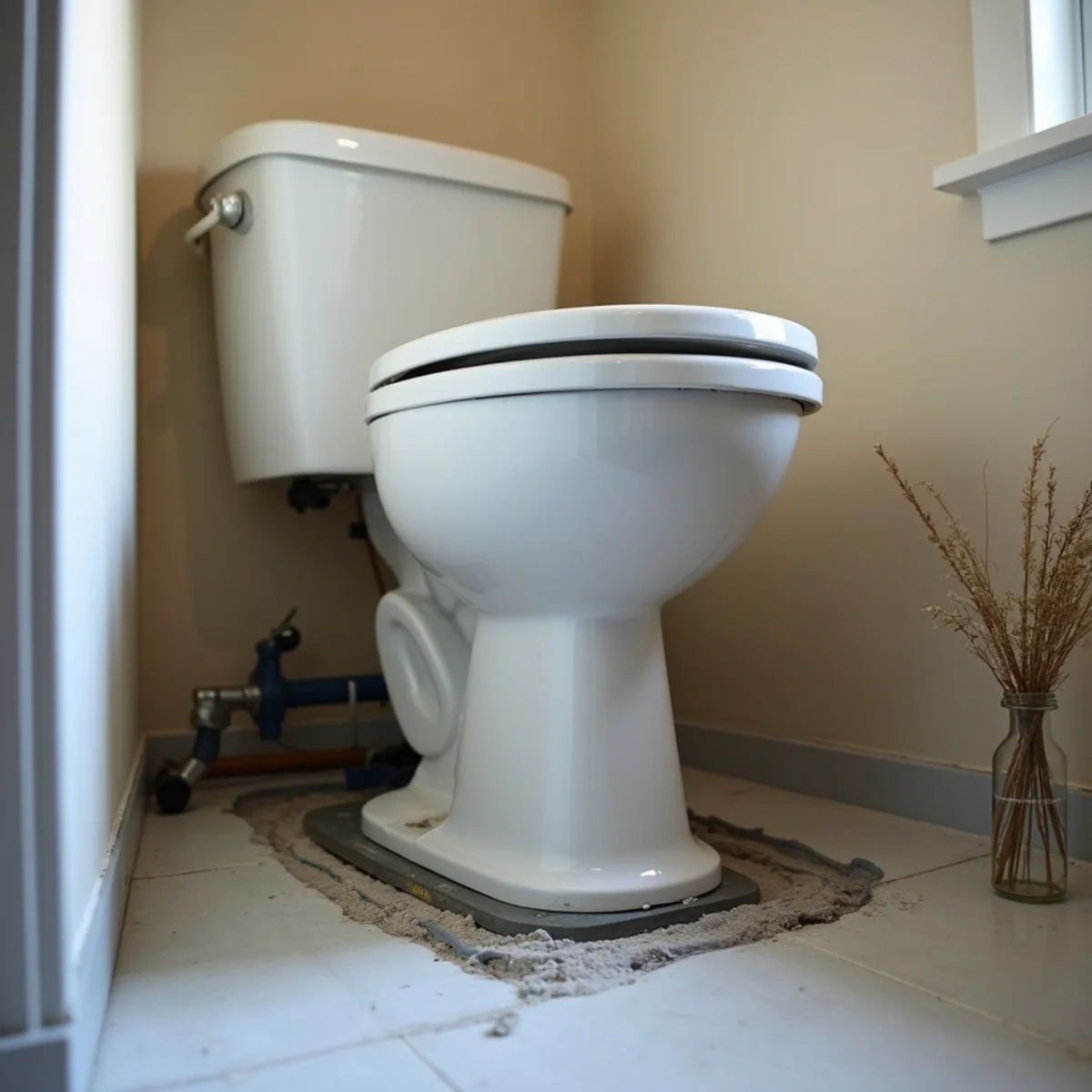
The lateral repair is licensed work. We sequence it so the line is fixed before restoration, and you are not cleaning the same room twice. Waste rising at the lowest fixture is the sign the blockage is downstream rather than in the fixture.
- IICRC-certified technicians
- Licensed & insured
- 60-minute target response across Whittier
- Direct insurance billing
- 7012 Walnut Grove Dr, Whittier, CA 90606
Need sewage cleanup & backup removal today?
Category 3 is a removal job, not a cleaning job — call and keep everyone out of the room.
Step by step
Our Sewage Cleanup Protocol
Full Category 3 procedure. No shortcuts, because the shortcuts here are the ones that make people ill.
Step 1
Isolate and contain
Affected area sealed with poly containment and negative air where appropriate. HVAC shut down. Occupants and pets kept clear. Crews in full PPE.
Step 2
Extract and remove solids
Contaminated water and solids removed with dedicated equipment that is not shared with clean-water work.
Step 3
Remove porous materials
Carpet, pad, affected flooring, wet insulation and drywall to the documented cut line are removed, bagged and disposed of under regulated handling.
Step 4
Clean, then disinfect
Remaining surfaces are physically cleaned of soil load first — disinfectant on a dirty surface does very little — then treated with an appropriate antimicrobial and allowed proper dwell time.
Step 5
Dry, verify, deodorize
Structural drying with daily readings, post-remediation verification, then deodorization once the source is confirmed gone. Rebuild follows.
On the job
Honest pricing
What Sewage Cleanup Costs Depend On
This is the most expensive category of water loss per square foot, and the reasons are all protocol-driven.
- Affected area and spread
- How many rooms, and whether contaminated water traveled under flooring into adjacent spaces.
- Porous material removed
- Flooring, drywall, insulation and cabinetry removal plus regulated disposal by weight.
- Containment requirements
- Poly barriers, negative air machines, HEPA filtration and PPE consumed on every entry.
- HVAC involvement
- If the system ran during the backup, duct assessment and cleaning may be required.
- Source repair coordination
- The lateral or main-line repair itself is plumbing work; we coordinate it so the sequence is right and you are not cleaning twice.
Many California policies cover sewage backup only if you carry a specific water backup endorsement. Check for it before you need it — it is typically an inexpensive add-on and it is the difference between a covered loss and a five-figure surprise.
Related services, service areas and guides
Related services
- Flood CleanupStorm and overflow flooding handled as the contaminated-water event it is — extraction, removal, disinfection, drying.
- Mold RemediationContainment, HEPA filtration and controlled removal — plus fixing the moisture source so it does not come back.
- Water Damage RestorationExtraction, structural drying, mold prevention and repairs — one crew from the first hour to the final coat of paint.
Related reading
- Sewage Backing Up Into the Shower: Causes, Health Risks, and Safe CleanupIt comes up in the shower because the shower is the lowest opening in the system. That tells you exactly where the problem is.
- Tree Roots in Your Sewer Line: Warning Signs to Catch Before the BackupA blocked sewer line never fails suddenly. It restricts over years, and it tells you at every stage — if you know what the signals mean.
Sewage Cleanup & Backup Removal across our service area
We provide sewage cleanup & backup removal across Whittier and the surrounding Los Angeles County communities. Each area page covers the local housing and drainage risks that actually drive water damage there.
- East WhittierUnder 10 minutes from our Walnut Grove Dr base. This is our home zone.
- Uptown WhittierAbout 8 to 12 minutes from our Walnut Grove Dr base, west along Whittier Boulevard or Philadelphia Street.
- Whittwood, WhittierUnder 10 minutes from our Walnut Grove Dr base — one of our closest zones.
- Friendly Hills, WhittierAround 8 to 12 minutes from our base, up toward the Whittier foothills.
- Pico RiveraTypically 10 to 15 minutes from our Walnut Grove Dr base, straight across on Whittier Boulevard or Washington Boulevard.
- Santa Fe SpringsAround 10 minutes from our base, south on Painter Avenue or straight down the 605.
- South WhittierUsually under 10 minutes from our Walnut Grove Dr base — one of the fastest zones we serve.
- La MiradaRoughly 12 to 18 minutes from our Whittier base via Imperial Highway or Rosecrans Avenue.
- NorwalkAround 12 to 15 minutes from our base, south on Norwalk Boulevard or Pioneer Boulevard.
- Los Angeles CountyWe work the southeast quadrant of the county from our base at 7012 Walnut Grove Dr in Whittier, with a 60-minute target response across the Gateway Cities and the lower San Gabriel Valley.
Request a visit
Free Estimate for Sewage Cleanup & Backup Removal
We inspect with thermal imaging and moisture meters before quoting — a firm price given over the phone without readings is a guess. If water is spreading right now, call instead; crews are dispatched during the conversation.
+1 (201) 277-9344