
Water Damage Restoration · Whittier, CA
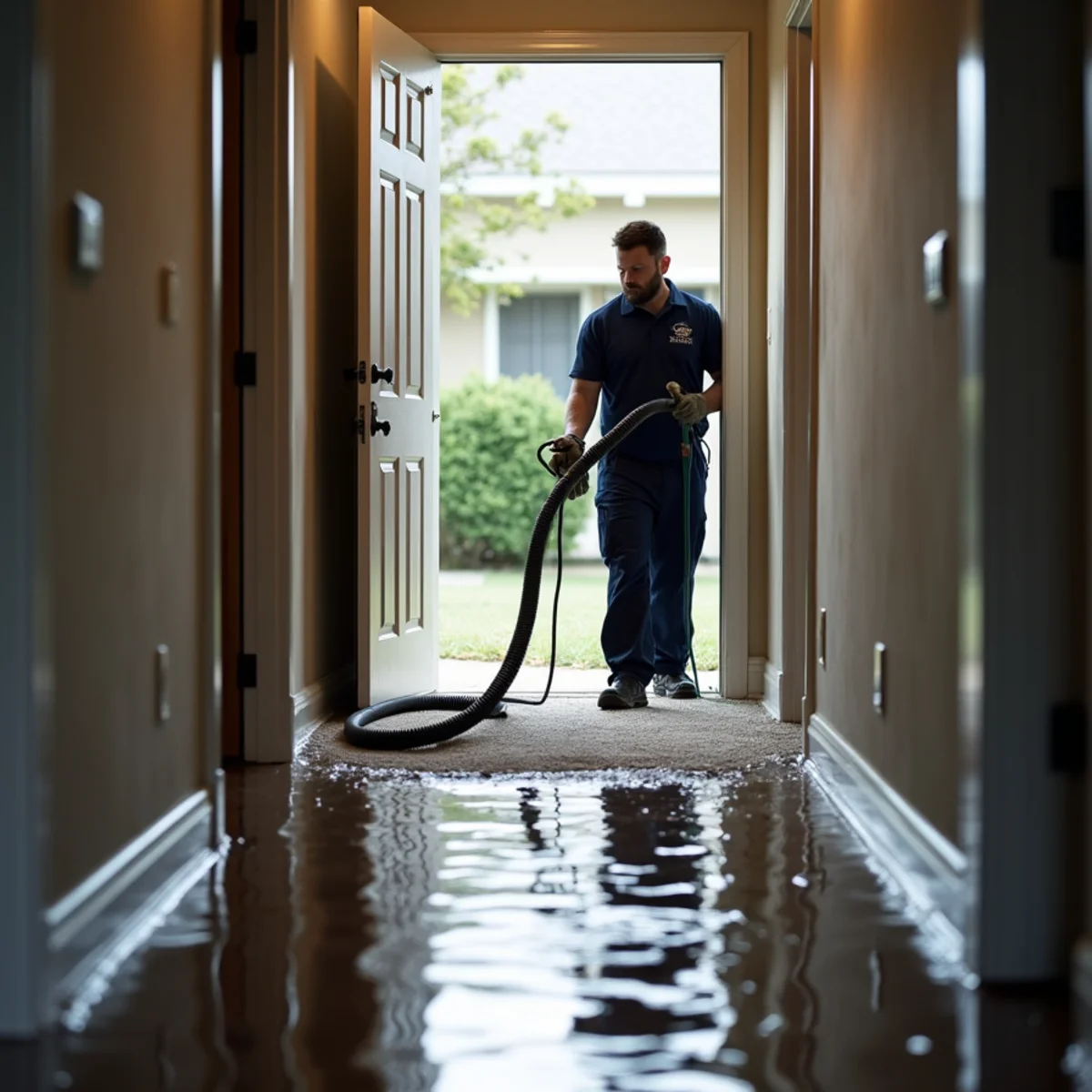
Water Extraction & Removal in Whittier, CA
Truck-mounted and portable extraction that pulls water out of carpet, pad and subfloor before it reaches the framing.
- 24/7 emergency dispatch
- 60-minute target response
- IICRC-certified technicians
- Direct insurance billing
Every hour that water sits, it moves. Down through the pad, into the subfloor, along the bottom plate of the wall, and up the paper facing of the drywall by capillary action. Extraction is the step that stops that clock.
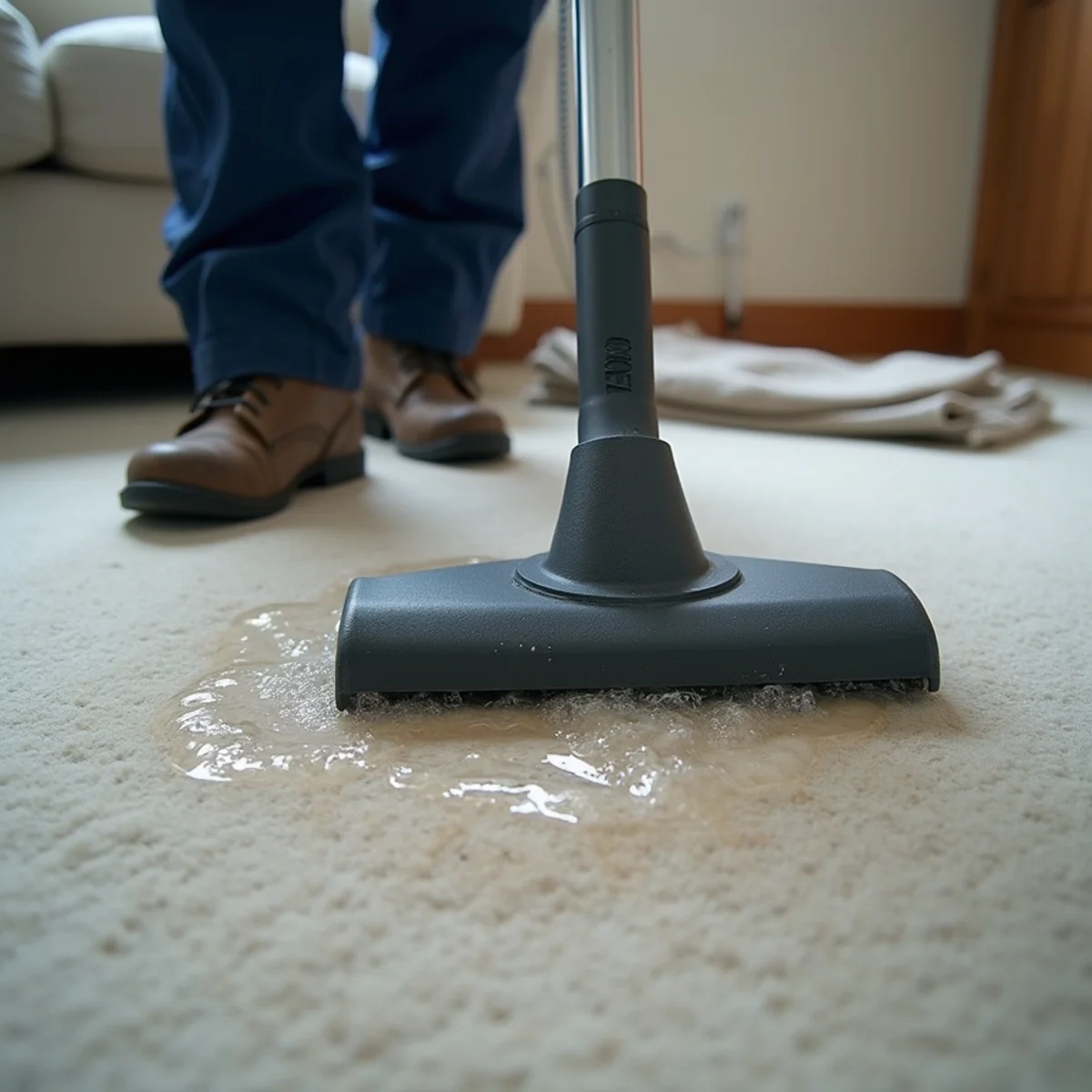
It is also the step most homeowners underestimate. A shop vac pulls the water you can see off the surface of a carpet. It does not touch the several gallons per square yard held in the padding underneath, and it does nothing for the water that has already migrated under the tack strip into the wall cavity.
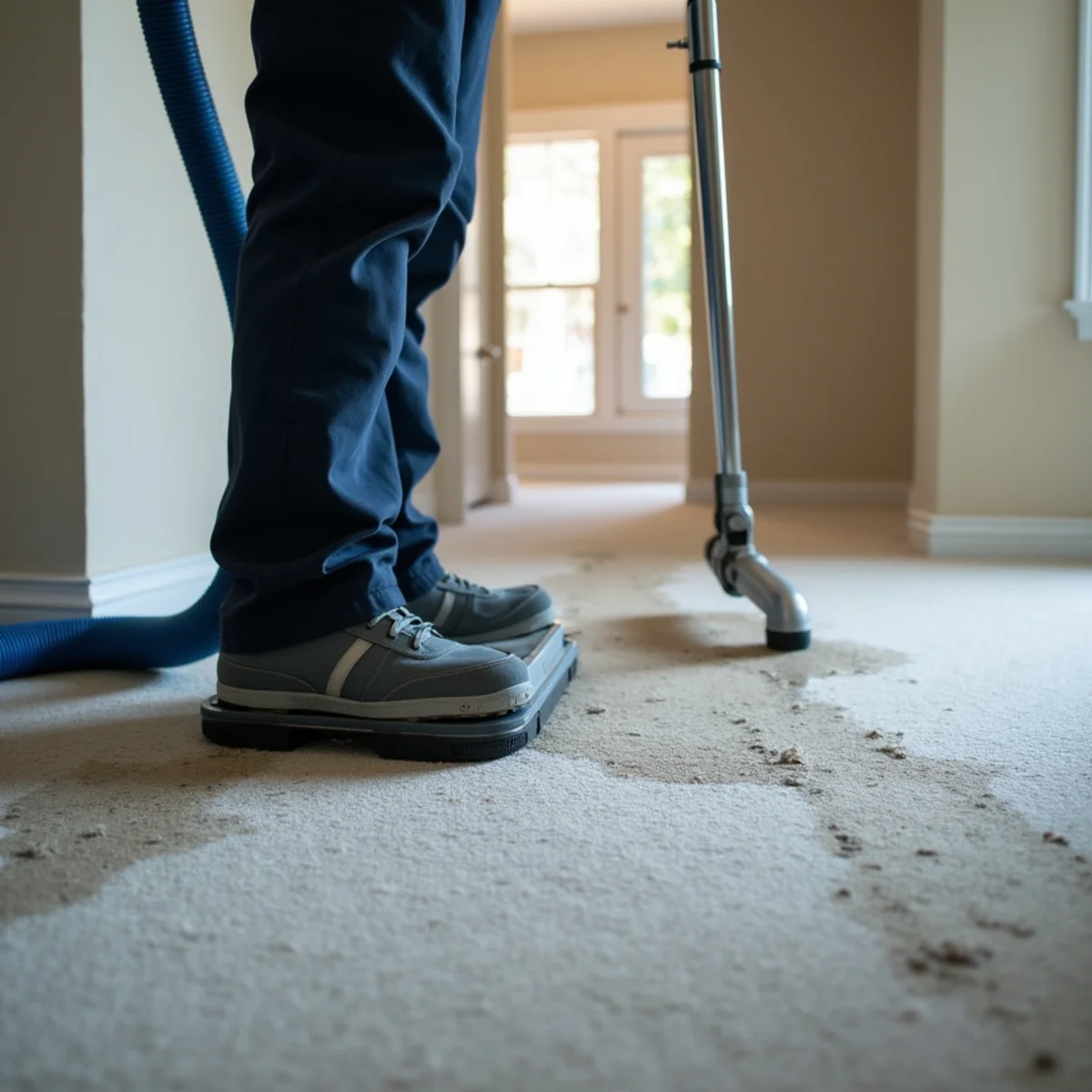
We extract with equipment built for volume: truck-mounted units for large losses, portable extractors for upstairs rooms and tight spaces, and weighted extraction tools that press water out of the pad rather than skimming it off the top.
What you actually get
What a Water Extraction Call Covers
Extraction is billed as one line but it is four distinct passes, and a quote that only covers the first one leaves water in your building.
Standing water removal
Truck-mounted units for volume, portable extractors for upstairs rooms and tight spaces where a hose run is impractical.
Weighted carpet and pad extraction
Overlapping passes with the operator's weight through the head, pressing water up out of the padding rather than skimming the surface.
Cavity and low-spot detailing
Under toe kicks, behind cabinet bases and in the dips every 1960s slab pour has — the places water sits after the room looks clear.
Pad and flooring assessment
An honest day-one call on what stays and what goes, with moisture readings to back it rather than a guess made from the doorway.
Post-extraction readings
Documented moisture content once recovery stops, which becomes the baseline the drying plan is built from.
Disposal documentation
Removed padding and unsalvageable material photographed in place and logged by weight and volume for your claim.
Extraction Order Matters More Than Extraction Speed
There is a sequence to this, and doing it out of order costs drying days later. Standing water comes off the hard surfaces first, because it is the fastest volume to remove and it stops the spread. Then carpet and padding, worked in overlapping passes with a weighted extractor so the water is pressed up out of the pad rather than pulled across it. Then the low spots — under toe kicks, behind cabinet bases, in the dips every 1960s slab pour has.
Only then does drying equipment go in. Setting air movers over water that has not been extracted just puts that water into the air, where the dehumidifiers have to work to pull it back out. Extraction is mechanical and fast; evaporation is slow and expensive. We do as much of the job as possible mechanically.
What Comes Up and What Comes Out
The honest conversation about carpet and pad happens on day one, not day four.
For clean supply-line water caught quickly, carpet frequently stays. We extract, float the carpet, and dry the pad in place with directed airflow underneath. For anything that has sat, or anything above Category 1, the padding comes out — it is inexpensive to replace and it holds contamination and moisture longer than anything else in the room.
On slab-on-grade construction, which covers most of Whittier, we also check whether water has gotten under vinyl plank or laminate. Those floating floors trap water against the slab and will not release it through the surface. If moisture readings confirm water underneath, that flooring comes up. Leaving it in place is how a clean extraction job turns into a mold remediation job six weeks later.
Crawl Spaces, Garages and the Places Water Hides in Whittier
Older Whittier homes in Uptown Whittier and Central Whittier were often built with raised foundations and crawl spaces. Water gets in there and stays, because a crawl space has no airflow and no drainage. Pump extraction plus vapor control is a different job from extracting a living room and needs to be scoped separately — see flooded basement and crawl space cleanup.
Garages are the other blind spot. In California, the water heater is usually in the garage, and garage slabs are poured to drain toward the door — except when settlement has changed that. When a heater lets go, water pools against the interior wall it shares with the house and wicks into the living space from behind. We extract the garage and check that shared wall every time.
Why us for this job
Why Our Extraction Removes More Than the Next Company's
The difference between two extraction invoices is rarely the hourly rate. It is how many gallons actually left the building.
We work to the recovery tank, not the clock
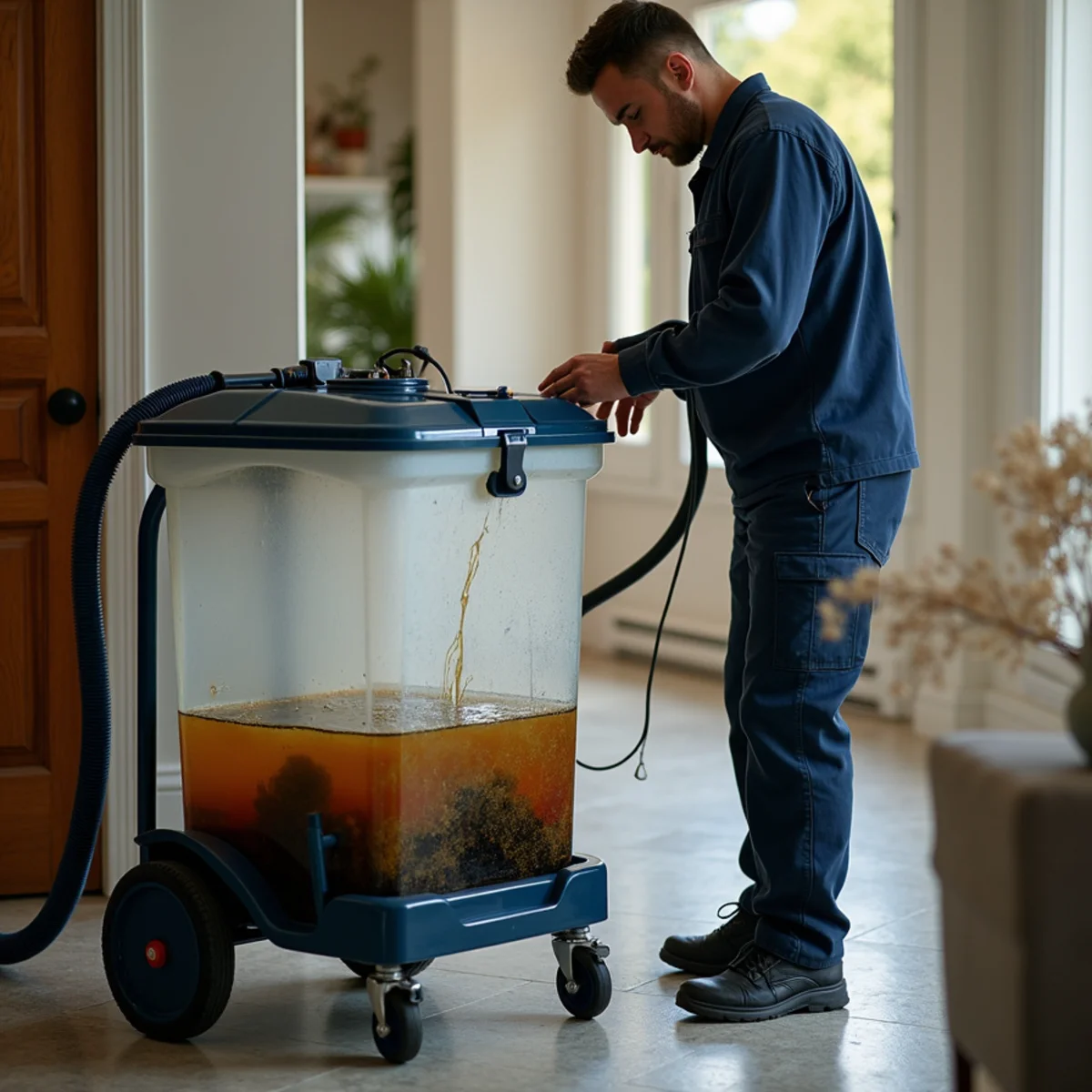
A section is finished when the tank stops filling on a pass — not when the carpet stops looking wet, which happens far earlier.
Weighted equipment, not wands alone
Consumer and light commercial gear skims. Weighted extraction compresses the pad and forces water upward, which is where the volume actually is — the difference is not marginal, and it is the reason a shop vac is not enough.
We read the wall base before we leave
Water runs under tack strip into the wall cavity. Readings at the baseboard are what catch the part of the loss nobody can see.
Drying equipment goes in the same visit
Air movers and dehumidifiers are running before the crew leaves, so drying starts tonight rather than tomorrow morning.
- IICRC-certified technicians
- Licensed & insured
- 60-minute target response across Whittier
- Direct insurance billing
- 7012 Walnut Grove Dr, Whittier, CA 90606
Need water extraction & removal today?
Standing water is still mechanically removable — call before it has to be evaporated instead.
Step by step
How We Extract
Four steps, usually completed on the first visit.
Step 1
Contain and make safe
Power is isolated to affected areas if there is any question about outlets or appliances sitting in water. Traffic paths are protected so contamination is not tracked into dry parts of the home.
Step 2
Map the wet footprint
Moisture meters and thermal imaging define the real perimeter of the loss before extraction starts, so we do not stop at the edge of the visible water.
Step 3
Volume extraction
Truck-mounted or portable units remove standing water, then weighted extraction works the carpet and padding in overlapping passes until the recovery tank stops filling.
Step 4
Detail and hand off to drying
Cavities, toe kicks and low spots are extracted last. Post-extraction readings are recorded, then the structural drying plan is built from those numbers.
On the job
Honest pricing
What Extraction Costs Depend On
Extraction is usually priced by affected area and water volume rather than by the hour.
- Square footage affected
- Measured from moisture mapping, not from the visible waterline.
- Water category
- Contaminated water requires PPE, containment and disposal fees that clean water does not.
- Access difficulty
- Second-floor rooms, crawl spaces and long hose runs from the truck all add labor time.
- Materials in play
- Carpet and pad extract fast. Water trapped under floating floors or in cabinet bases takes longer.
- Disposal volume
- Removed padding, contaminated materials and debris are disposed of by weight and volume.
Extraction is the cheapest part of any water loss and the part that most reduces the total. Getting it done in hour one instead of hour ten routinely takes days off the drying phase.
Related services, service areas and guides
Related services
- Structural Drying & DehumidificationEngineered drying with daily moisture readings — so the structure is verifiably dry, not just dry to the touch.
- 24/7 Emergency Water RemovalA real person answers, a crew is dispatched immediately, and you get an honest arrival window before you hang up.
- Flood CleanupStorm and overflow flooding handled as the contaminated-water event it is — extraction, removal, disinfection, drying.
Related reading
- Why Shop-Vaccing a Flooded Carpet Isn't Enough (What Professional Extraction Pulls Out)The carpet feels dry within a day. The padding beneath it does not, and that is where the mold problem starts.
- Wet Drywall: When It Can Be Saved and When It Has to Come OutThree questions decide it: what kind of water, how long, and does the board still have structural integrity.
Water Extraction & Removal across our service area
We provide water extraction & removal across Whittier and the surrounding Los Angeles County communities. Each area page covers the local housing and drainage risks that actually drive water damage there.
- East WhittierUnder 10 minutes from our Walnut Grove Dr base. This is our home zone.
- Uptown WhittierAbout 8 to 12 minutes from our Walnut Grove Dr base, west along Whittier Boulevard or Philadelphia Street.
- Whittwood, WhittierUnder 10 minutes from our Walnut Grove Dr base — one of our closest zones.
- Friendly Hills, WhittierAround 8 to 12 minutes from our base, up toward the Whittier foothills.
- Pico RiveraTypically 10 to 15 minutes from our Walnut Grove Dr base, straight across on Whittier Boulevard or Washington Boulevard.
- Santa Fe SpringsAround 10 minutes from our base, south on Painter Avenue or straight down the 605.
- South WhittierUsually under 10 minutes from our Walnut Grove Dr base — one of the fastest zones we serve.
- La MiradaRoughly 12 to 18 minutes from our Whittier base via Imperial Highway or Rosecrans Avenue.
- NorwalkAround 12 to 15 minutes from our base, south on Norwalk Boulevard or Pioneer Boulevard.
- Los Angeles CountyWe work the southeast quadrant of the county from our base at 7012 Walnut Grove Dr in Whittier, with a 60-minute target response across the Gateway Cities and the lower San Gabriel Valley.
Request a visit
Free Estimate for Water Extraction & Removal
We inspect with thermal imaging and moisture meters before quoting — a firm price given over the phone without readings is a guess. If water is spreading right now, call instead; crews are dispatched during the conversation.
+1 (201) 277-9344