Standing in water right now? Shut off the supply, start photographing everything, and call a local crew that can be at your door within the hour. We extract, dry, remediate and rebuild — and we bill your insurance directly.
A person answers, and a crew leaves during the call — not after a callback.
60-minute target response
Based in east-central Whittier, so trucks leave from this side of town.
IICRC-certified technicians
Industry-standard protocols for extraction, drying and remediation.
Direct insurance billing
Daily moisture logs and thermal images supplied to your adjuster in writing.
Mitigation through rebuild
One company from the first extraction pass to the final coat of paint.
Do this right now
The First Hour Decides What This Costs
Five things, in this order, before anyone arrives. They take less time to do than to read about — and they are the difference between a drying job and a rebuild.
1
Shut the water off
Angle stop at the fixture if you can reach it, otherwise the main at the meter box or the exterior wall.
2
Kill power to wet rooms
At the breaker — but only if you can reach the panel on a dry route. Never wade to it.
3
Photograph before you move anything
Wide shots, close-ups, and a walking video saying what happened and when you found it.
4
Lift what you can
Electronics, paper and valuables to a dry room. Foil under furniture legs on wet carpet.
5
Call — do not wait for morning
Mold can start inside 24 to 48 hours, and water keeps moving into wall bases the whole time.
Whittier Is an Old City, and Its Plumbing Is Older
Water damage here is not bad luck. It is a housing stock hitting a predictable age at the same time as a rainfall pattern that concentrates a year of water into five months. Six factors drive almost every call we take.
Supply plumbing at end of life
Galvanized steel in the pre-1960 stock, soft copper in the tracts that followed. Both are now past the age where failure is unusual rather than routine.
Slab-on-grade construction
Most of the city is built on slab. A supply line failing beneath it spreads sideways under the flooring and surfaces two rooms from the actual break.
A year of rain in five months
Roughly 14 inches, almost all of it November to March. Roofs that shed eight dry months fail on the third straight day of an atmospheric river.
Garages that no longer drain
California puts the water heater in the garage. Sixty years of settlement means those slabs often drain toward the house instead of the driveway.
Sewer laterals under mature trees
Clay tile in short jointed sections, and street trees that have been growing into those joints since the Eisenhower administration.
Hard water eating copper
Los Angeles County mineral content drives the pitting corrosion behind pinhole leaks — and pinholes almost never happen alone.
Older homes need the cause diagnosed, not just the water removed. Ask any company you call whether they will find the source — a crew that extracts what you can see leaves you exposed to a second, worse event two months later. More on the local picture in our guides to Whittier's slab-leak hotspots and hard water and copper pinhole leaks.
What happens after you call
Six Phases, and You Will Know Which One You Are In
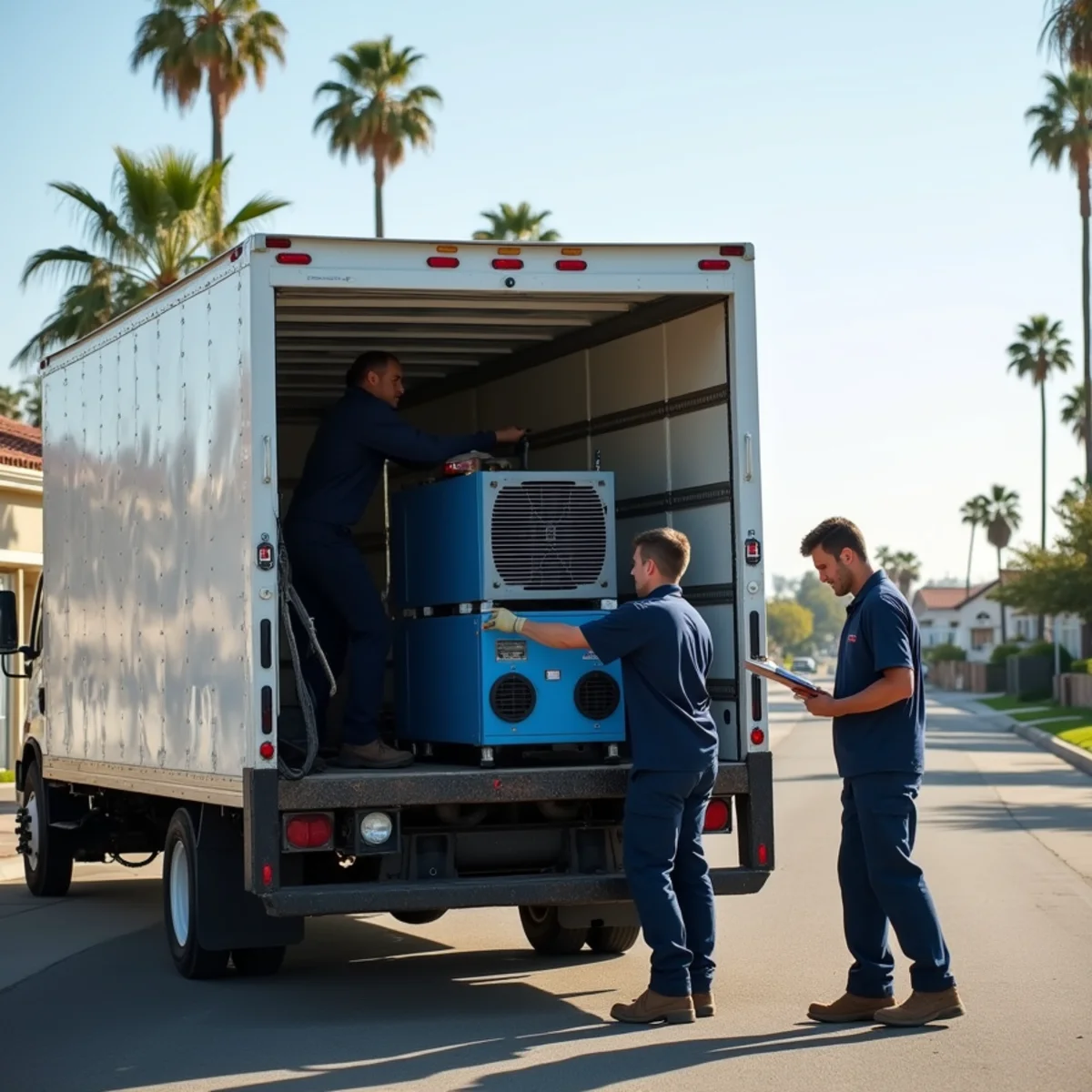
Thermal imaging cameras, moisture meters and hygrometers on the diagnostic side; truck-mounted extraction, commercial air movers and dehumidifiers on the drying side. You get readings in writing at every step.
01
Dispatch
A person answers, takes four details, and puts a truck on the road during the call. You get an arrival window before you hang up.
02
Moisture mapping
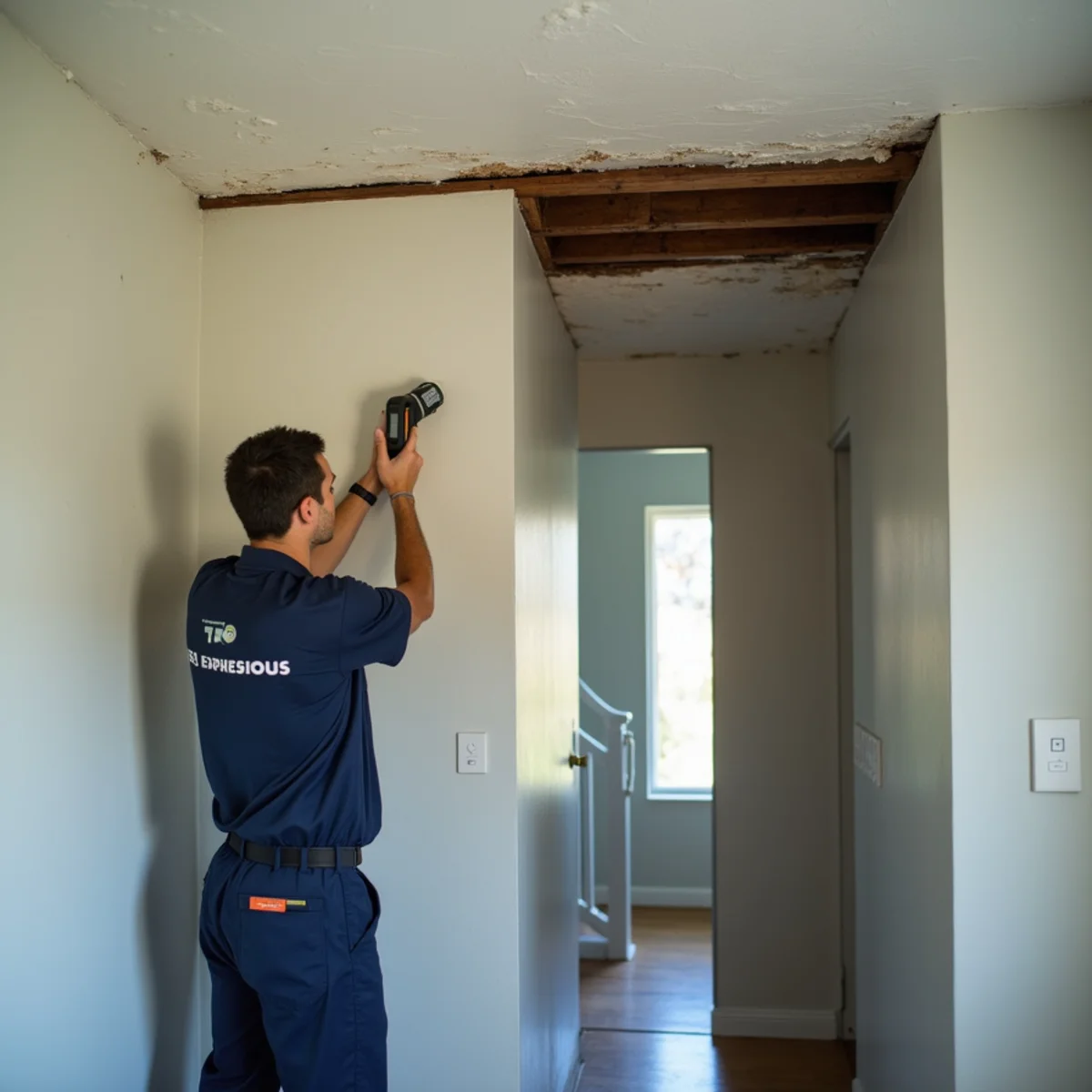
Thermal imaging cameras and moisture meters find what has traveled behind drywall and under flooring. The wet footprint is always larger than the puddle.
03
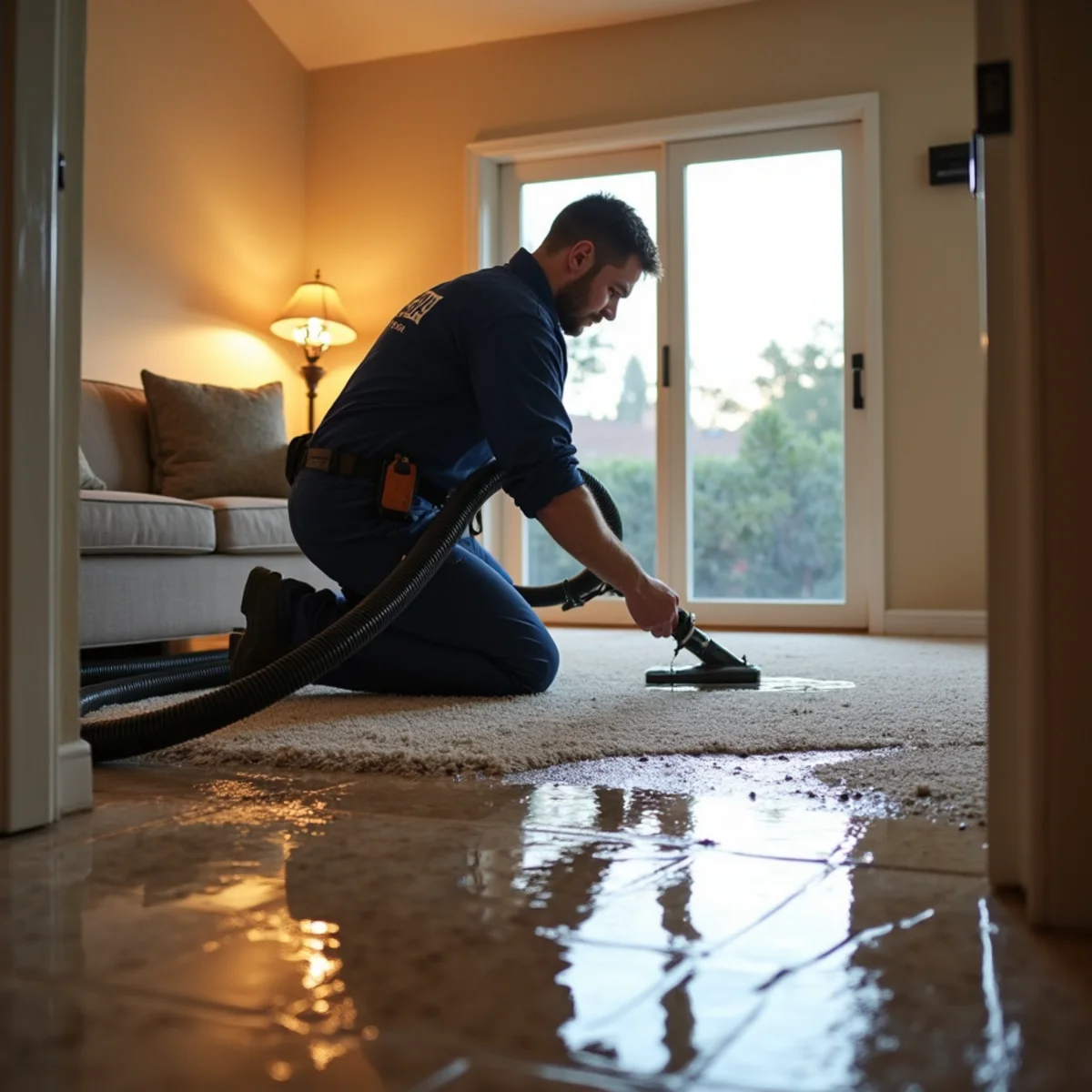
Extraction
Truck-mounted and weighted equipment pulls water out mechanically. Every gallon removed now is a gallon nobody has to evaporate later.
04
Structural drying
Air movers drive evaporation, commercial dehumidifiers capture it, and hygrometers confirm the air is not feeding moisture back into dried material.
05
Antimicrobial treatment
Applied where the risk profile warrants it. Speed is the real mold prevention; this is the second line, not the first.
06
Rebuild
Drywall, texture, paint, flooring and cabinetry — started only once readings confirm the structure is genuinely dry rather than dry to the touch.
Most restoration companies will not discuss cost until they are standing in your house. Here are published 2026 California ranges so you have a baseline. Final cost depends on category of water, affected square footage, materials — and above all how long it sat.
Water extraction
Driven by volume and affected square footage
$1,000 – $5,000
Structural drying
Equipment per day, daily monitoring, verification
$1,500 – $8,000
Full restoration
Extraction-only through to major structural rebuild
Direct billing to your carrier on covered claims — in most cases you pay your deductible, not the full invoice up front.
Thermal images, dated photographs and daily moisture readings supplied in writing, because hidden moisture that was never documented is damage a carrier can dispute.
We coordinate with your adjuster on scope and methodology — drying days are one of the most commonly short-paid lines on a water claim, and a clean daily log is what answers that.
Sudden discharge from a burst pipe or failed appliance is typically covered. Flood from outside and gradual seepage typically are not. We document the source either way.
Every restoration company in Los Angeles County advertises 24/7 service. These are the things that change the outcome of your job.
A truck leaves during your call
Our dispatch model puts extraction equipment on the road immediately rather than scheduling an estimate visit first. The assessment happens with the truck already in your driveway.
We are based in east-central Whittier
Not a franchise dispatch from a regional hub past the 605. Our 60-minute target is a real number for Whittier addresses, and we tell you the honest arrival window on the call.
We know this housing stock
Slab-on-grade tracts from the 1950s–70s, galvanized and early copper supply, lath-and-plaster in the pre-war core. A technician who has opened fifty of these knows where the water goes.
Drying in place wherever the readings allow
Cavity drying through small hidden access points, mat drying for hardwood, and slower controlled drying for plaster. Removal is a last resort, not a first move.
Daily moisture readings, in writing
Drying days are one of the most commonly short-paid lines on a water claim. A daily log at marked locations is the only thing that answers an adjuster who questions them.
One company through the rebuild
Drywall, texture, paint, flooring, baseboard and cabinetry. No handoff gap, no argument about what was already damaged, one set of documentation.
Locally owned and operated
A Whittier Crew, Not a Call Center
We work out of 7012 Walnut Grove Dr in east-central Whittier, near Whittwood Town Center. That is not a marketing address — it is where the trucks are parked, which is why response times to East Whittier, Whittwood and the Scott Avenue pocket are measured in single-digit minutes rather than hours.
Being local also means knowing the buildings. The 1950s–70s slab tracts that produce most of this city's slab leaks. The galvanized supply still running in West Whittier and Michigan Park. The lath-and-plaster and original hardwood in the pre-war core around Whittier College, which needs a slower drying plan and a crew that will not reach for the demolition saw first.
Our technicians are IICRC certified, we carry insurance, and we bill your carrier directly on covered claims.
43 area pages, each with the local housing and drainage risks that actually drive water damage there — not the same page with the city name swapped out.
We publish customer reviews as jobs close, with the customer's first name, their neighborhood and what the job actually involved — not invented quotes. Until those are here, judge us on things you can verify on the phone in two minutes:
A person answers the emergency line — not an answering service taking a message
A 60-minute target response across Whittier, with an honest arrival window on the call
IICRC-certified technicians, and a certification number available on request
Direct insurance billing, with daily moisture readings supplied in writing
We inspect with thermal imaging and moisture meters before we quote — never a phone price
Mitigation and rebuild under one roof, so there is one set of documentation
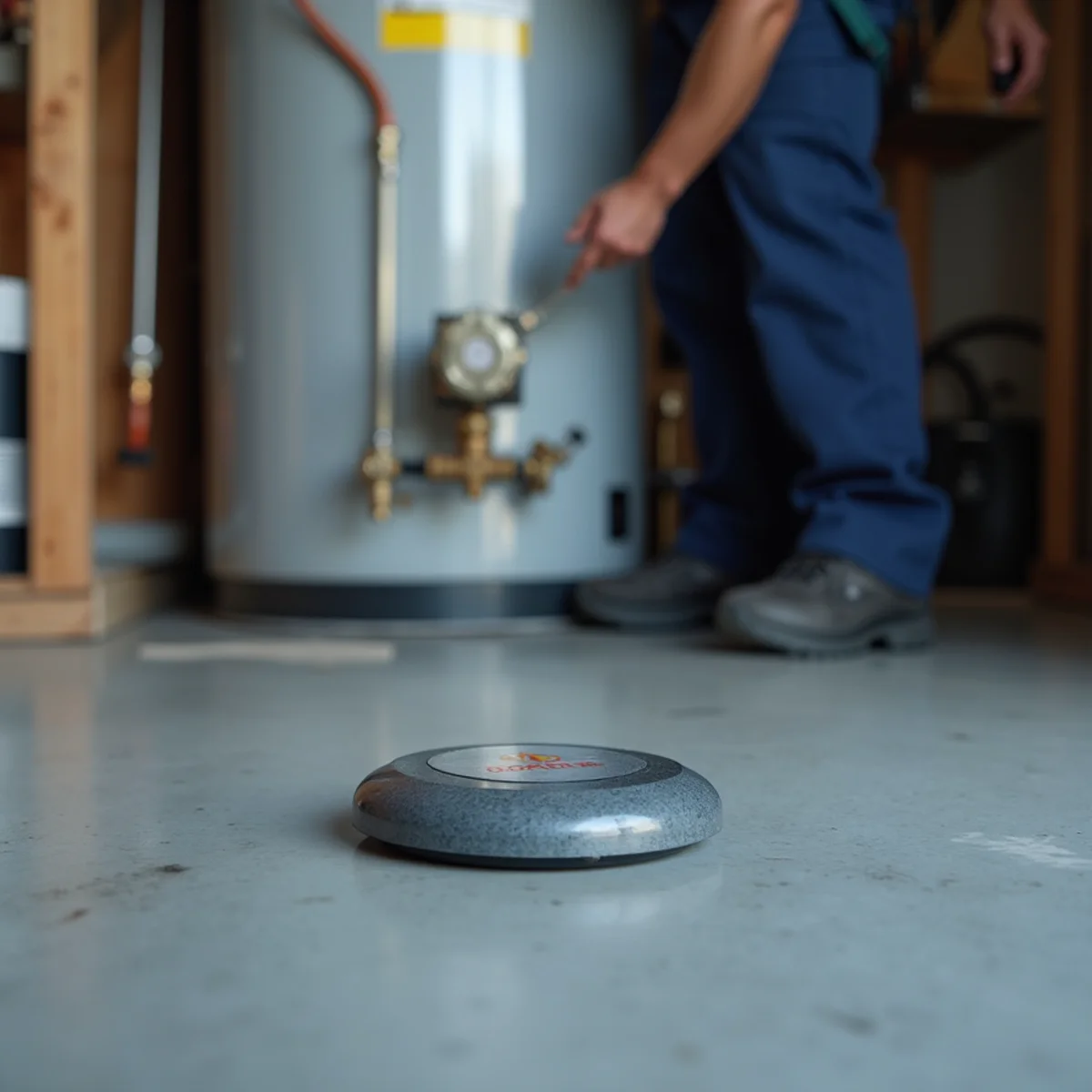
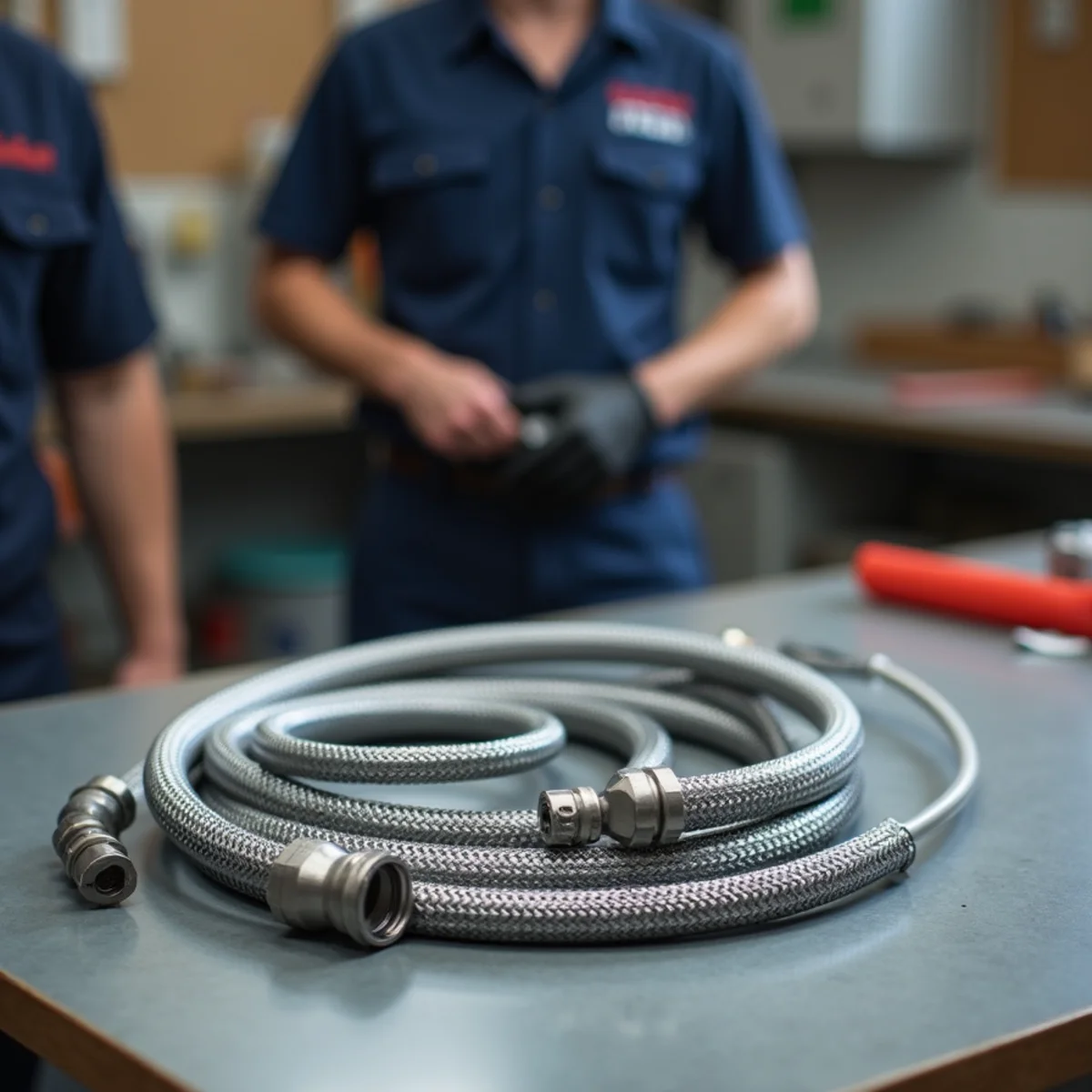
Point sensors are cheap and genuinely useful. Whole-house shut-off systems are expensive and, for some houses, obviously worth it. Here is which is which.
Water does not respect the boundary in your CC&Rs. Two policies usually respond, and both decide on the same set of facts.
Read the guide
Get in touch
Request a Free On-Site Estimate
For anything actively spreading, call — a person answers and a crew is dispatched during the conversation. For estimates, insurance questions and scheduling, this form is the right route.
Water Damage Whittier7012 Walnut Grove Dr, Whittier, CA 90606Open 24 hours — 7 days a week, including holidays
The questions we get asked most, answered the way we would answer them on the phone.
How fast can you get to my Whittier home?
Our target is arrival within 60 minutes or less for most Whittier addresses, and a crew is dispatched during your call rather than after a callback. Response time genuinely varies with time of day, traffic and how many crews are already deployed — you will get an honest arrival window on the phone, not a marketing number. For the neighborhoods closest to our Walnut Grove Drive base it is routinely well inside the hour.
Do you really answer the phone at 2 a.m.?
Yes — a person, not an answering service that takes a message for the morning. The whole point of a 24/7 line is dispatch, and a message-taking service cannot dispatch anything. You should be talking to someone who can put a truck on the road in the same conversation.
Will you bill my insurance company directly?
Yes, for covered water damage claims we bill your carrier directly, so in most cases you are not paying the full cost up front and waiting on reimbursement. You remain responsible for your deductible. We coordinate with your adjuster and supply the moisture logs, thermal images, photographs and written scope they need to process the claim.
How quickly does mold start growing after water damage?
Mold can begin to colonize wet organic material — drywall paper, cabinet backing, carpet padding — within 24 to 48 hours. That window is the reason immediate extraction and verified drying matter so much, and it is why we dispatch equipment rather than scheduling an estimate visit first.
What should I do in the first hour after finding water damage?
Shut off the water at the fixture or the main. Turn off power to affected areas at the breaker if you can reach the panel without standing in water. Photograph and video everything before anything is moved. Move electronics, documents and valuables somewhere dry, and block up furniture legs standing on wet carpet. Do not use a household vacuum on standing water. Then call.
Can my hardwood floors, carpet and furniture be saved?
It depends on the category of water, how long materials stayed wet, and how quickly professional drying starts. Solid hardwood can often be saved with specialty mat drying systems if we reach it early. Carpet is frequently salvageable while the padding underneath usually is not. Laminate and engineered products that have already swelled do not recover. A moisture assessment is the only honest way to answer it for your specific loss.
Do you handle the repairs, or only the drying?
Both. We carry the job from the first extraction pass through drywall, texture, paint, flooring, baseboard and cabinetry. Keeping mitigation and reconstruction under one roof means one set of moisture documentation, no disputes about what was already damaged when a second contractor arrived, and no gap in the schedule while a handoff is negotiated.
How much does water damage restoration cost in Whittier?
Published 2026 California ranges put water extraction at roughly $1,000 to $5,000 and structural drying at roughly $1,500 to $8,000, with full restoration running from about $3,000 to $30,000 or more depending on how much structural repair is involved. Where your job lands is driven mostly by how long the water sat before anyone called. We inspect with thermal imaging and moisture readings before quoting — a firm number given over the phone is a guess.
Do you handle commercial water damage for Whittier businesses?
Yes. Commercial work is scoped around staying open: crews work after hours where the operation allows, containment isolates the affected area so the rest of the building keeps trading, and zones are returned to service progressively rather than all at once. We also document which areas were unusable and for how long, which is what business interruption coverage is decided on — tell us on the first call if that is in play.
Which areas do you serve?
Whittier and its neighborhoods, plus the surrounding Los Angeles County communities — Pico Rivera, Santa Fe Springs, La Mirada, La Habra Heights, Norwalk, South Whittier, Hacienda Heights, West Whittier-Los Nietos, Bellflower and Montebello in our core area, with extended coverage across the Gateway Cities and lower San Gabriel Valley. If you are at the edge of our radius we will tell you honestly what arrival looks like rather than quote an hour we cannot hold.
60-minute target response · 24/7
Water damage does not wait for business hours
Every hour water sits, it spreads further into building materials, raises the risk of mold, and increases the total cost of restoration. The first hour matters more than any other.