Prevention & Maintenance
When to Replace Washing Machine Hoses, Water Heaters, and Supply Lines (The Ages That Matter)
Every component that floods a house has a known service life. Almost nobody replaces any of them on schedule.
Water spreading right now? Call before you finish reading — crews are dispatched during the conversation, 24/7.
+1 (201) 277-9344The short answer
Rubber washing machine hoses at 3–5 years, braided stainless at 5–8, sink and toilet supply connectors at 5–8, dishwasher lines at 5–10, plastic ice maker tubing around 5, and a standard tank water heater at 8–12 with the anode rod checked around year 5. Local hard water pushes all of these toward the shorter end.
Water damage from appliances and connectors is overwhelmingly a maintenance failure rather than an accident. The components have known service lives; they simply get replaced after they fail rather than before.
Here is the schedule, with the honest note that the entire list costs less than one deductible.
The Replacement Schedule
Ages are typical service life. Local hard water tends to push real-world outcomes toward the shorter end.
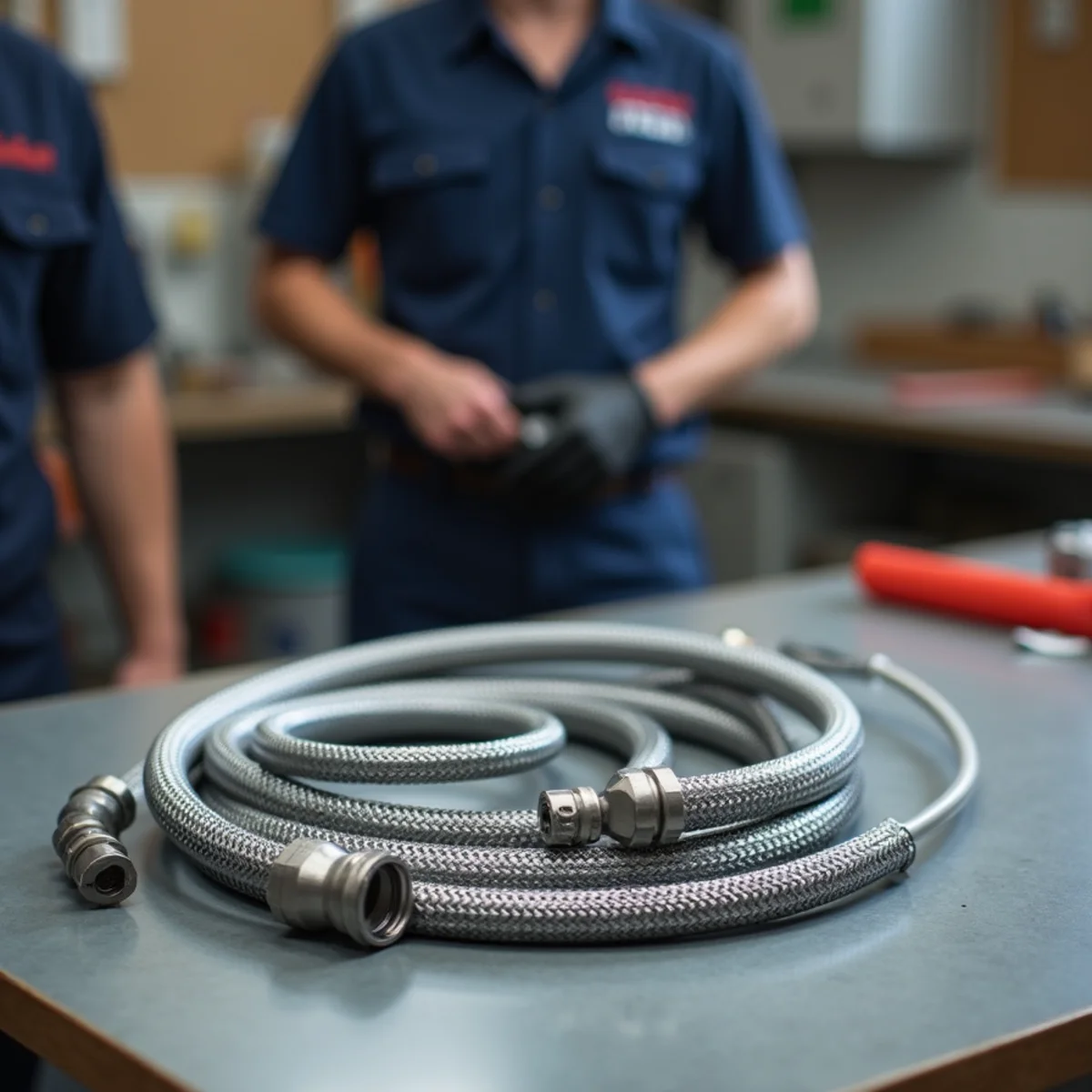
- Rubber washing machine hoses — 3 to 5 years. Replace with braided stainless.
- Braided stainless washing machine hoses — around 5 to 8 years. Longer, not indefinite.
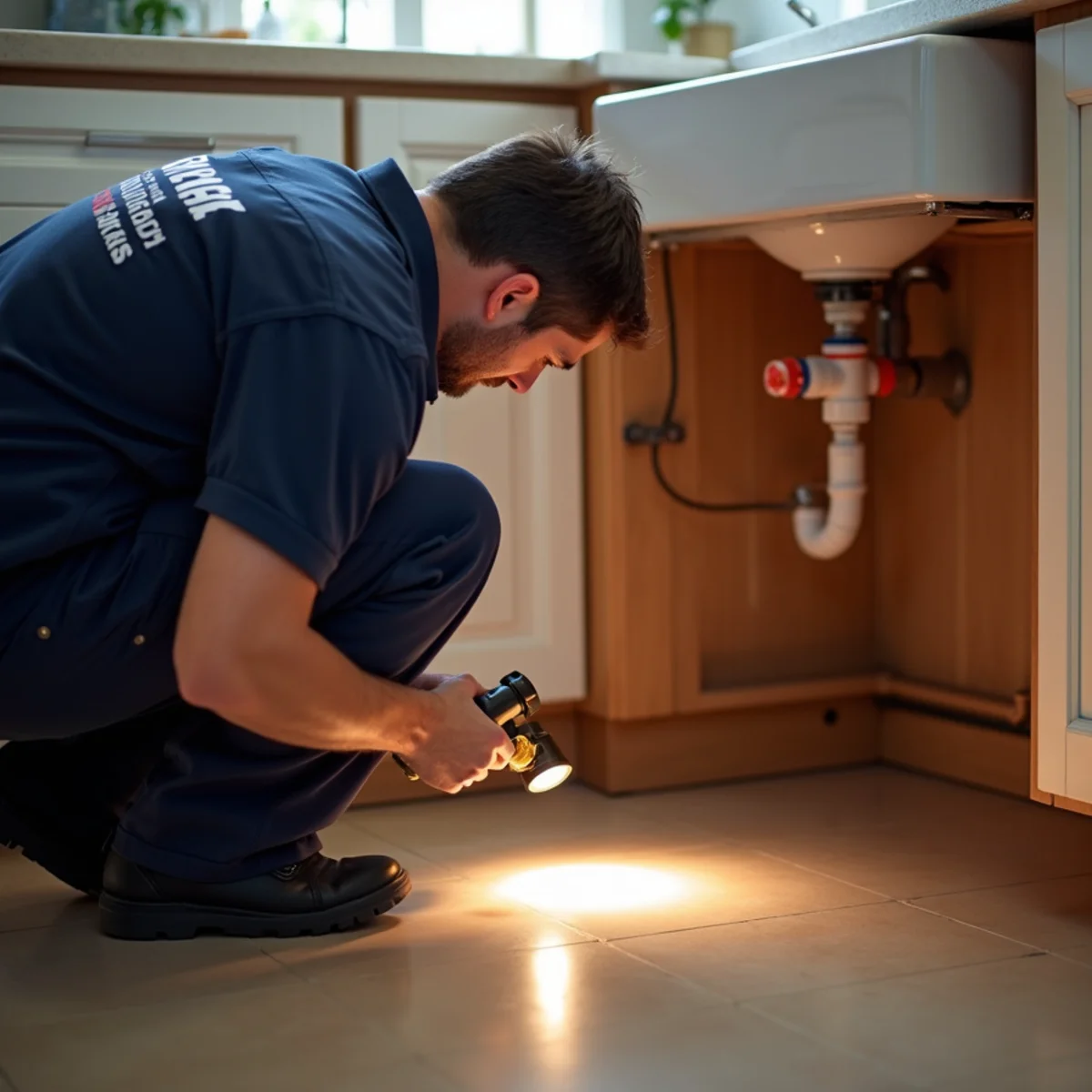
- Toilet and sink flexible supply connectors — around 5 to 8 years. The cheapest component in the house and a leading cause of losses.
- Dishwasher supply line — around 5 to 10 years, and inspect whenever the machine is pulled out.
- Refrigerator ice maker line — around 5 years for plastic tubing; braided or copper lasts longer.
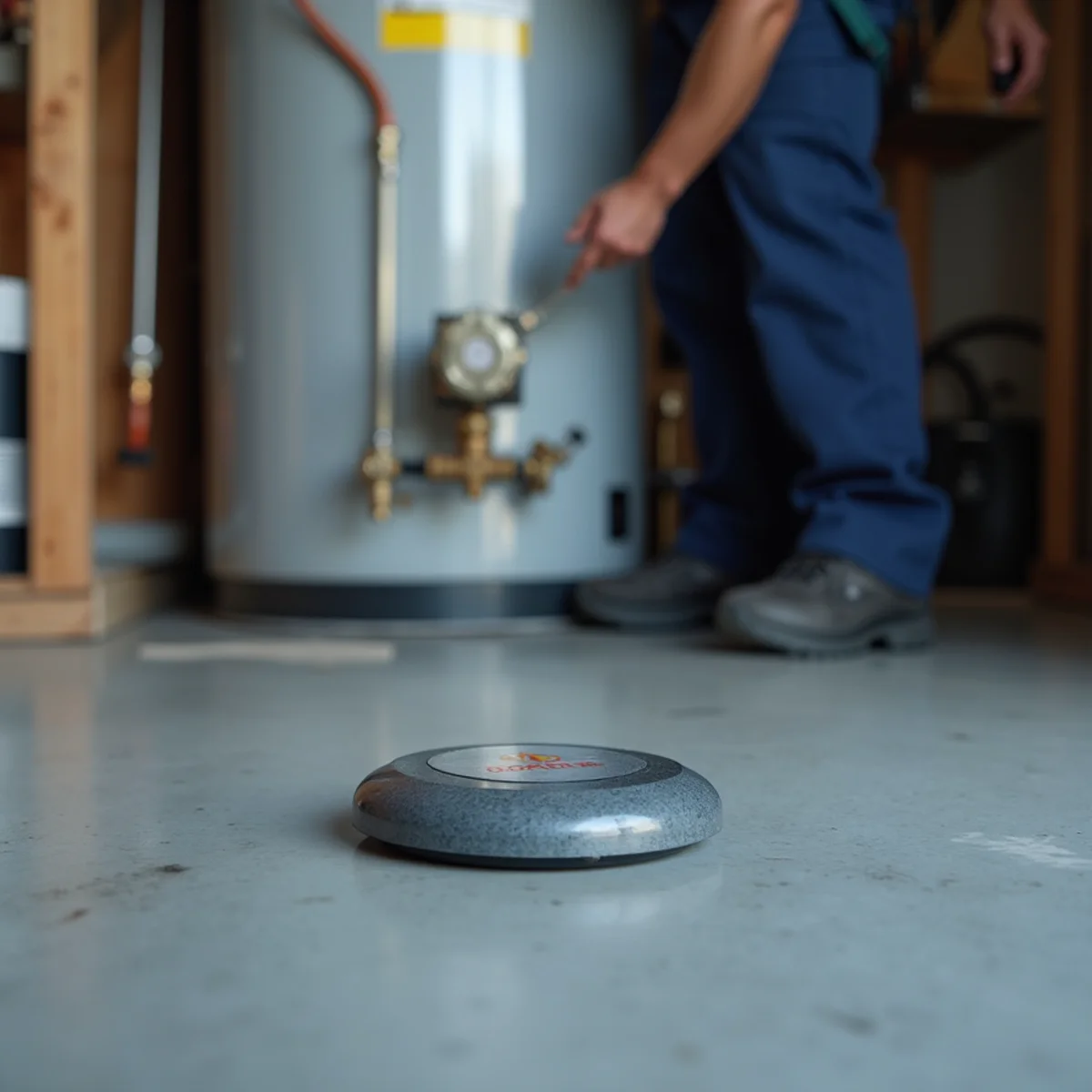
- Water heater — 8 to 12 years for a standard tank. Plan replacement rather than waiting for failure.
- Water heater anode rod — check around year 5 and replace as needed; it materially extends tank life.
- Angle stops (shut-off valves) — replace when they seize. A valve that will not turn is worthless in an emergency.
- Sump pump, where fitted — test annually, expect around 7 to 10 years of service.
Why Hard Water Shortens All of It Here
Los Angeles County water carries significant mineral content, and that affects several of these components directly.
In a water heater, minerals precipitate out and settle as sediment on the tank bottom. That layer insulates the steel from the burner, so the bottom of the tank runs hotter than designed — and overheated steel at the bottom seam is exactly where these tanks fail. Sediment also consumes the anode rod faster.
In valves and connectors, mineral deposits build at seals and threads, which is why angle stops seize and why a valve that has not been turned in fifteen years frequently will not turn at all.
Flushing the water heater annually addresses the first problem directly and is the highest-value item on this page after the hoses.
The Trick That Makes This Work: Write the Date
Nobody remembers when they replaced a washing machine hose. That is the entire reason these schedules fail.
Write the installation date on the component itself with a marker — on the hose, on the supply connector, on a label stuck to the water heater. Ten seconds, and it converts an unanswerable question into a visible fact.
For the water heater, the manufacture date is usually encoded in the serial number on the data plate. If you cannot decode it, photograph the plate and ask a plumber next time one is in the house.
The Cost Comparison
Replacing every flexible connector in a typical house — both washing machine hoses, the connectors under every sink and behind every toilet, and the ice maker line — is a modest parts cost and an afternoon of work.
The alternative is one of them failing at full line pressure while nobody is home. That is extraction, several days of drying, flooring, drywall, possibly cabinetry, and a deductible.
The comparison is not close, and it is the reason we raise this on every job we attend in older tract neighborhoods like Michigan Park and California High Area.
The Habits Worth Adding
Three, all free.
Close the laundry valves when you go away for more than a couple of days. Most catastrophic hose failures happen in empty houses.
Shut off the main for longer absences. A week away with the water on is the single largest avoidable risk most households take.
Exercise your valves annually. Turn every angle stop and the main off and on once a year. It keeps them working and tells you which ones need replacing before you need them.
Replace by Cohort, Not by Component
Homeowners replace the thing that failed. The more useful unit of work is the cohort — everything installed at the same time, in the same water, at the same pressure — because that is what actually shares a failure curve.
The clearest example is the pair of washing machine hoses. Replacing only the one that burst leaves the survivor in place with an identical service history and no remaining margin, which is why we occasionally attend the same laundry twice in a year. The same logic runs through the house: the flexible connectors under every sink and behind every toilet were nearly always fitted in one visit, either at construction or at a remodel, and they will reach the end of their liner life within a season or two of each other.
This is what makes a full sweep better economics than it looks on a receipt. Every flexible connector in a typical house replaced in one afternoon is a modest hardware bill and a few hours of work, and it resets the whole cohort clock at once. The alternative is paying for individual replacements across five years while carrying the risk of the one that fails at line pressure with nobody home — which is extraction, several days of drying and a rebuild, plus a claim on your history. Write the date on each new component in marker as you fit it, and the next sweep schedules itself.
The bottom line
Hoses at five years, water heater at ten to twelve, connectors when they hit five, valves exercised annually.
Write the dates on the parts. That one habit is what makes the rest of it actually happen.