Prevention & Maintenance
The 10-Minute Monthly Leak Inspection: Everywhere Water Hides in Your Home
A route through the house that takes ten minutes and catches the leaks that would otherwise be found by a buckled floor.

Water spreading right now? Call before you finish reading — crews are dispatched during the conversation, 24/7.
+1 (201) 277-9344The short answer
Two minutes at the meter with everything off, two in the kitchen checking the sink base and toe kick, two per bathroom at the vanity, toilet base and shower surround, two at the laundry and water heater, and two walking floors barefoot and looking at ceilings. The meter test alone catches what nothing else will.
Nearly every large water loss we attend started as a small one that nobody was looking for.
This is a fixed route through a house. Do it monthly and it takes ten minutes, because after the first time you know where everything is.
Start at the Meter (2 minutes)
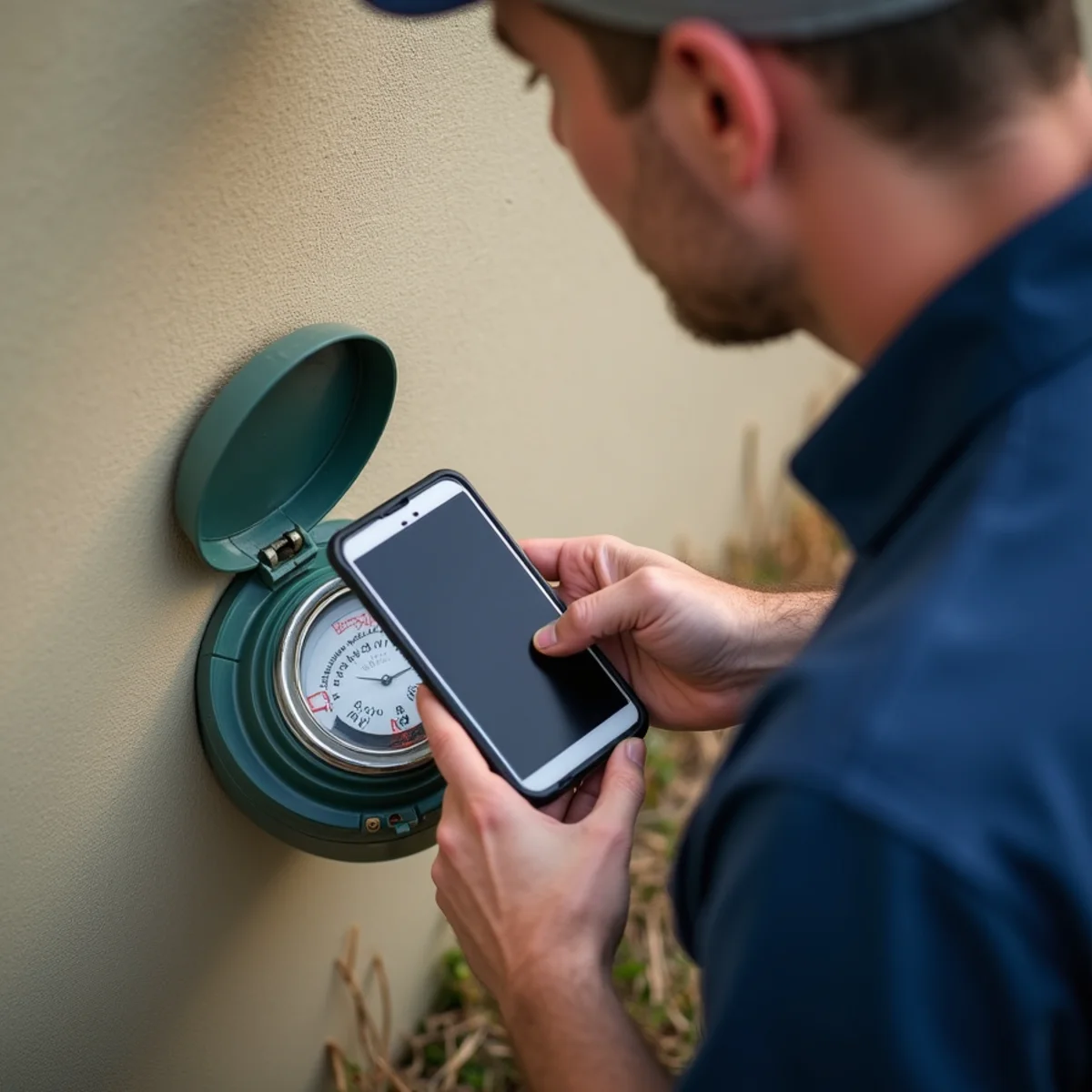
Shut off every water-using fixture and appliance — taps, ice maker, irrigation. Then watch the meter for a couple of minutes.
Watch the small triangular or star-shaped dial rather than the main numbers — it is geared to register flow far too small to move the counter. Any rotation at all, with the house shut down, means water is going somewhere it should not be.
This single test is worth more than everything else on the list, because it detects what you cannot see — including under-slab leaks that would otherwise announce themselves months later through the flooring.
Kitchen (2 minutes)

Open the sink base and put a hand on the cabinet floor — the actual floor, at the back corners where water collects. Look for staining, swelling or a white mineral line.
Check the supply connectors and the angle stops for corrosion or moisture. Check the dishwasher supply where it runs through the cabinet.
Then look at the toe kick along the whole cabinet run, not just next to the sink. Soft or swollen toe kick means water has traveled along the void behind it.
If you have a refrigerator with an ice maker, pull it out once or twice a year and check the line behind it — this is a common slow leak that runs unnoticed for months.
Bathrooms (2 minutes each)
Under each vanity: same check as the kitchen sink base.
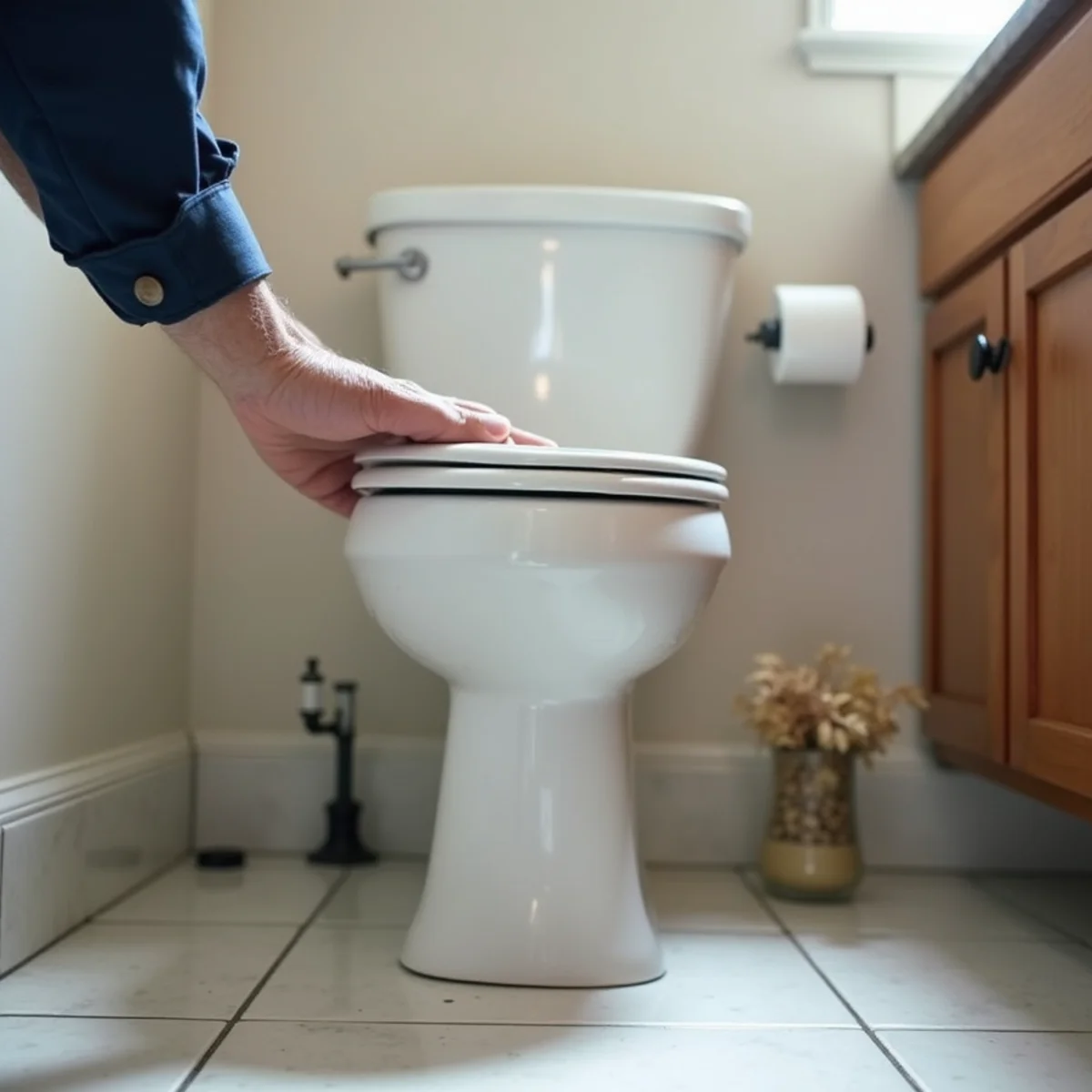
Around the base of each toilet: feel the floor and the caulk line, and check the flooring for any softness or lifting. A failed wax ring leaks slowly into the subfloor.
At the shower or tub: check the grout and the caulk line at the base of the surround, and look at the wall on the other side if there is one accessible. Failed corner grout in older mud-set tile is a very common hidden source.
Also: put a few drops of food colouring in the toilet tank and check the bowl twenty minutes later without flushing. Color in the bowl means a leaking flapper, which shows up on your bill and creates false positives on the meter test.
Laundry and Water Heater (2 minutes)

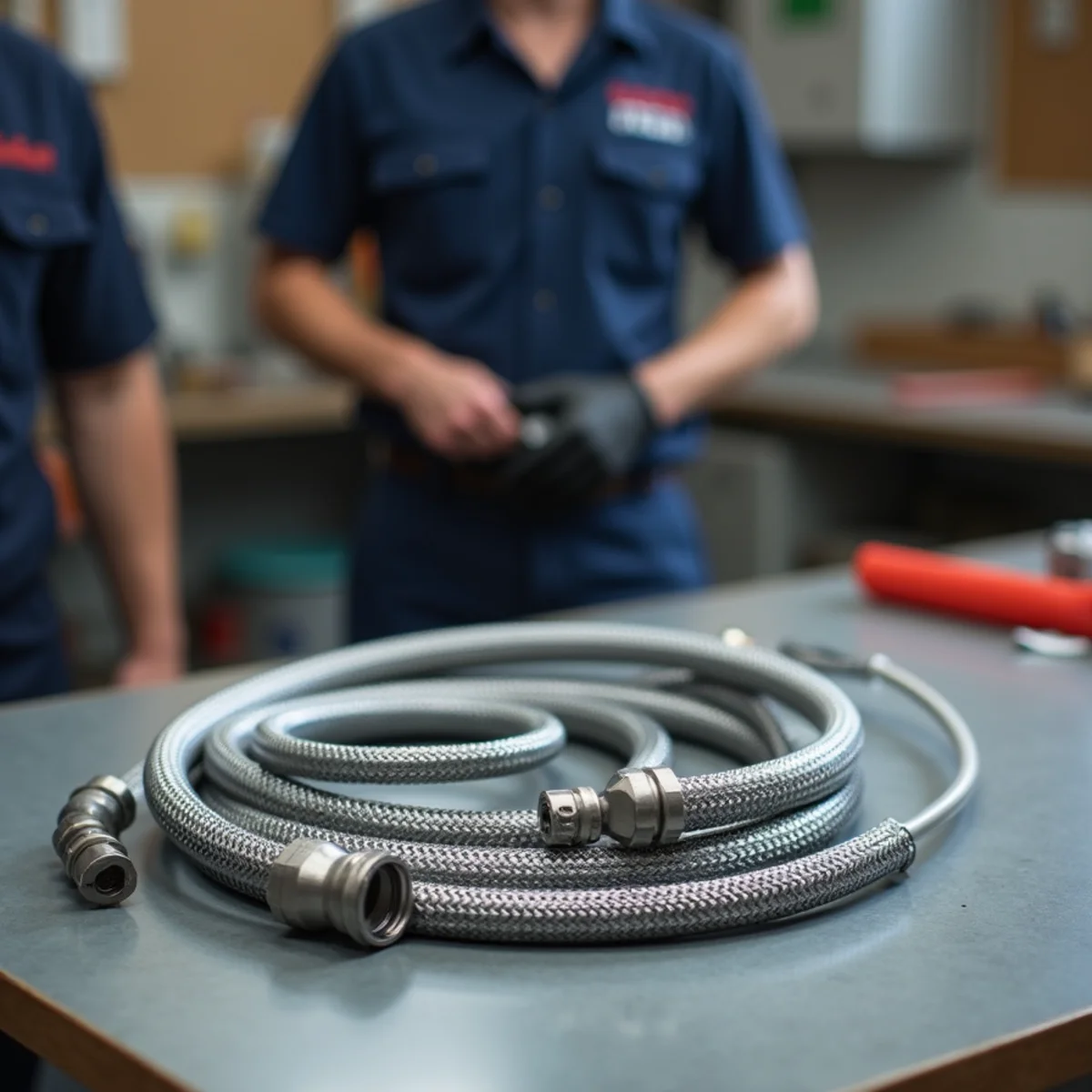
Behind the machine: check both hoses for bulges, cracking or corrosion at the couplings, and confirm neither is kinked hard against the wall. Check the date if you wrote one on them.
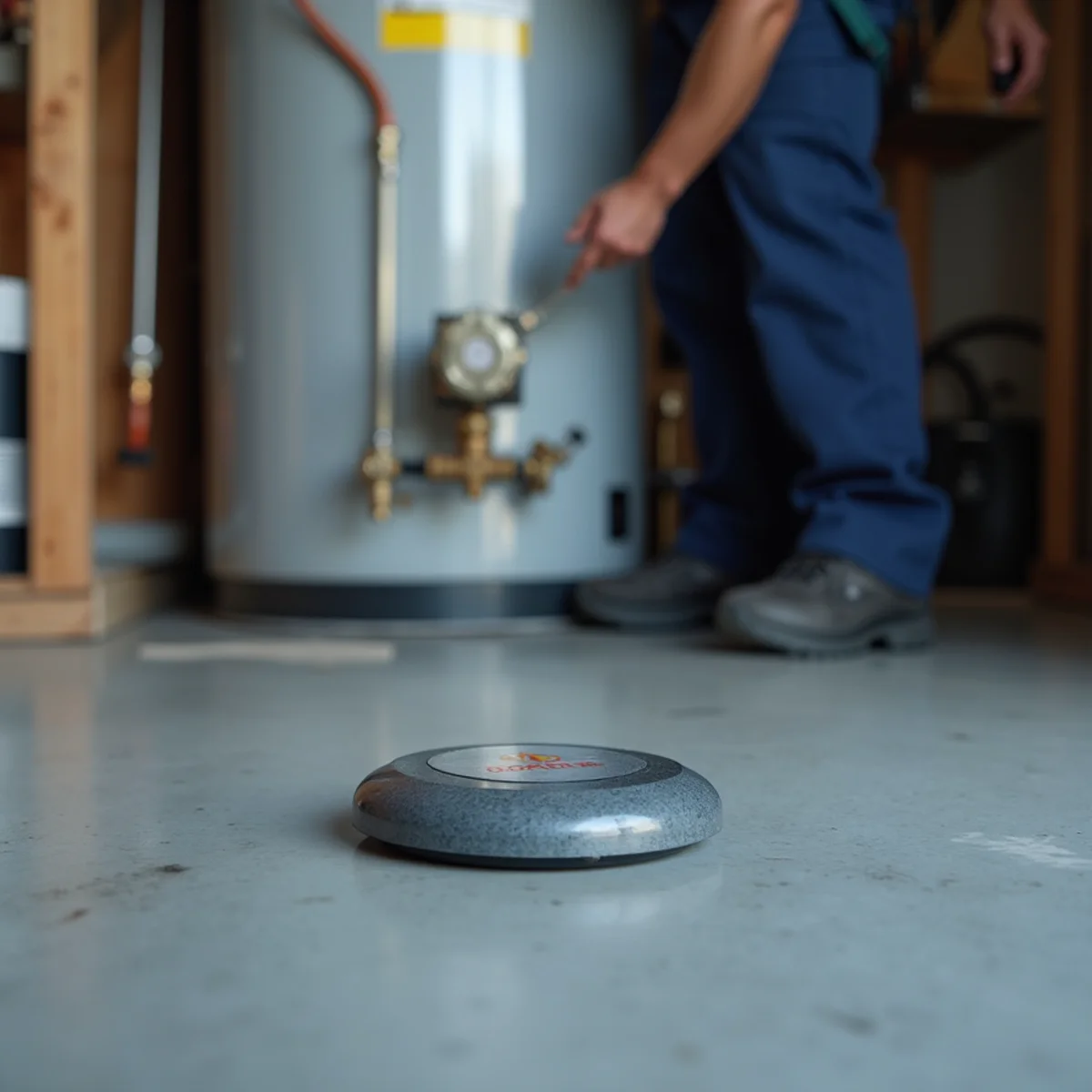
At the water heater: look at the floor and the drip pan, check the bottom seam for rust or mineral crust, check the T&P relief valve for moisture, and check the straps are intact and anchored into structure.
Note the date on the data plate. Past ten to twelve years, start planning a replacement rather than waiting.
Walk the Floors and Look Up (2 minutes)

Walk any tile or vinyl floor barefoot and note any patch noticeably warmer than the surrounding area. On a slab home that is the single most reliable indicator of an under-slab hot-water leak.
Look at ceilings, particularly under bathrooms and near exterior walls. Mark the edge of any stain with a pencil and date it — that turns "is this getting worse?" into a question with an answer.
And use your nose. A musty smell in one room, a closet, or near floor vents is information. See why your house still smells musty.
What Ten Minutes a Month Actually Buys You
The value of this routine is not that it finds dramatic problems. It is that it moves the discovery point of ordinary ones from weeks to days, and the cost of a water loss is close to a function of that single variable.
The failures this catches are unspectacular by design. A supply connector under a bathroom vanity that has begun weeping at the ferrule, dropping perhaps a cup a day into a cabinet base nobody opens. A wax ring beginning to fail under a toilet, softening the subfloor around the flange. A water heater with a mineral crust forming at the bottom seam. None of those announce themselves, and every one of them is a modest repair for a few weeks and a demolition scope by the time it reaches finished materials in the next room.
The single most valuable habit inside the routine is marking. Put a pencil line at the edge of any ceiling stain with the date next to it, and note the meter reading each time you run the test. A stain that has not moved in six months is history and needs nothing. A stain that has crossed your line is active and needs finding now. Without the mark you are comparing today against a memory, which is how homeowners end up watching the same patch for two years and then discovering it doubled somewhere in the middle.
The bottom line
Meter, kitchen, bathrooms, laundry, floors and ceilings. Same route, ten minutes.
The leaks that get expensive are the ones nobody was looking for.