Commercial & Property Managers
Water Damage in a Retail Space: A Response Plan for Uptown Whittier Tenants and Managers
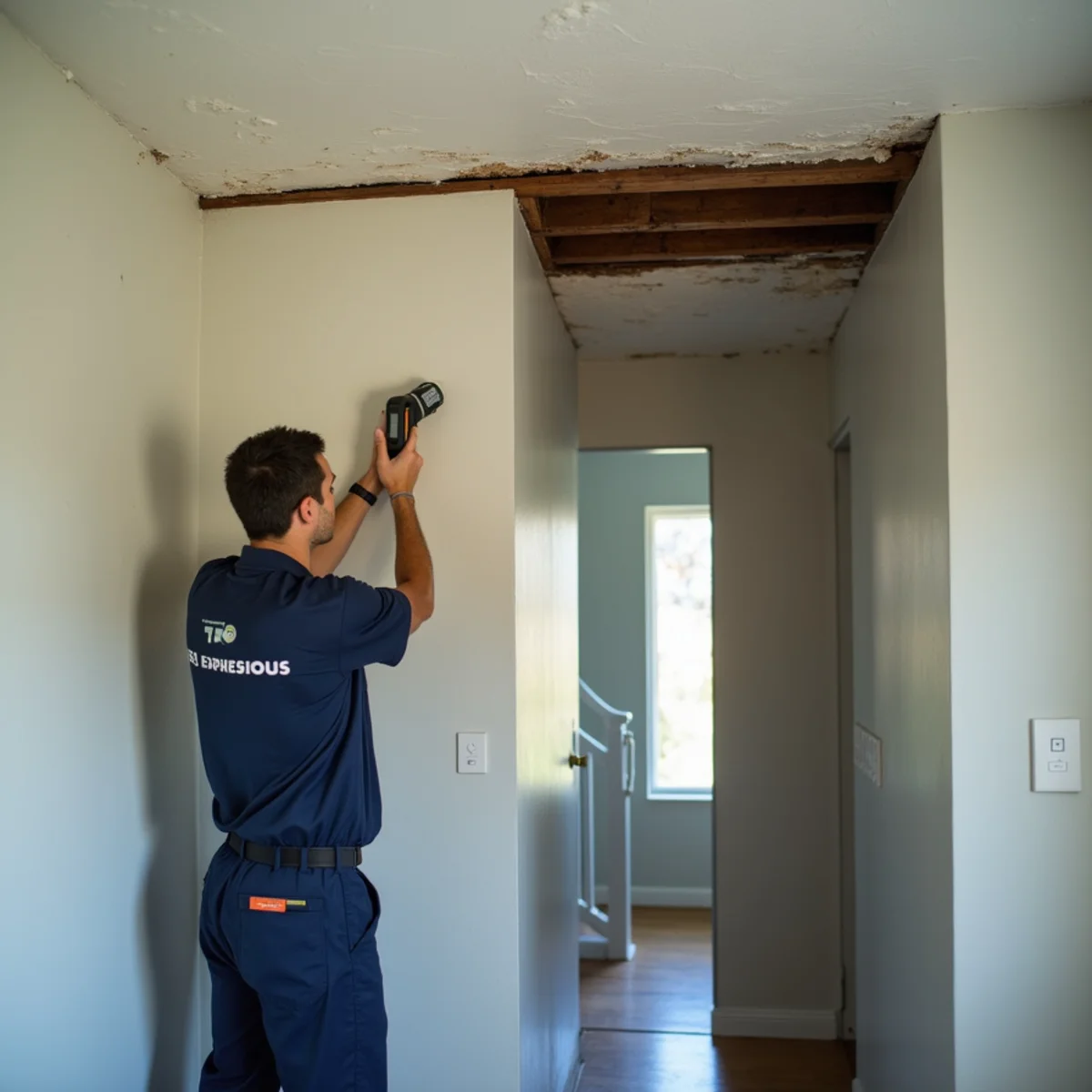
For a shop, the water damage is rarely the biggest number. The closed days are. Plan around that.
Water spreading right now? Call before you finish reading — crews are dispatched during the conversation, 24/7.
+1 (201) 277-9344The short answer
Know your shut-off, panel, landlord after-hours number, policy details and restoration contact before anything happens. In the first hour: stop the water, cut power to affected areas, move stock, photograph everything, notify the landlord in writing, and tell the restoration crew you need to reopen — that changes how the job is sequenced.
The historic buildings along Greenleaf Avenue are lovely and they leak in specific, predictable ways: flat roofs with internal drains, parapet flashings, and original plumbing running through walls nobody wants to open.
What follows is a response plan written around the constraint that actually matters — staying open.
Before Anything Happens: The Ten-Minute Preparation
Write these down and put them somewhere every shift lead can find them.
- Where the water shut-off for your unit is, and whether you can reach it or it is in a shared area
- Where the electrical panel is and which breakers serve which areas
- Your landlord or property manager's after-hours contact
- Your insurance policy number and whether you carry business interruption coverage
- A restoration company number, saved before you need it
- Which stock and equipment are highest priority to move, in order
The First Hour
Stop the water if you can reach the valve. In a multi-tenant building the shut-off may be in a shared utility area — know in advance whether you have access.
Cut power to affected areas if water is near outlets or equipment.
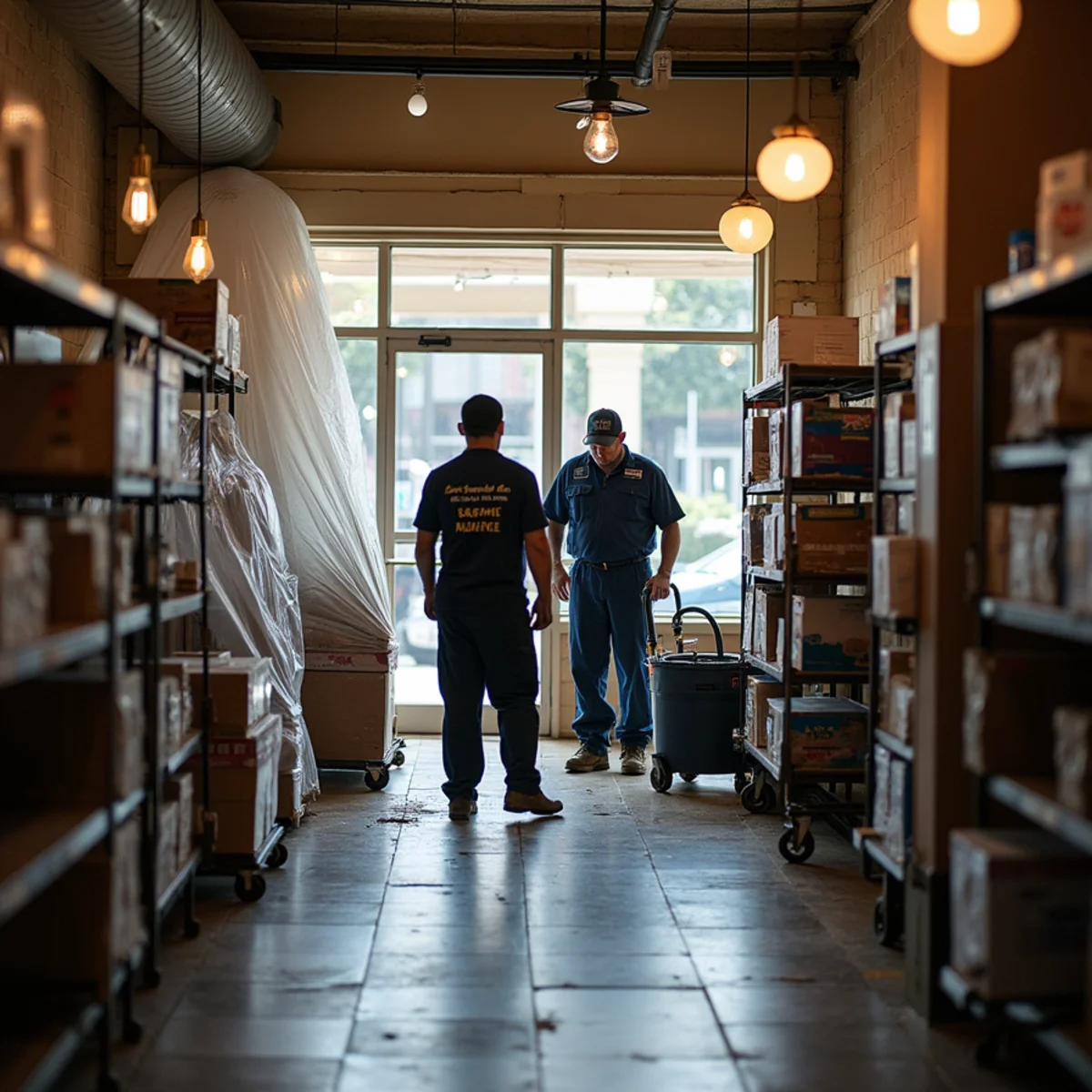
Protect stock first, then fixtures. Merchandise off the floor and away from the affected area. This is where a written priority order pays for itself, because at 8 a.m. with water spreading nobody makes good decisions about what to save first.
Photograph everything before moving it — stock in place, water extent, the source if visible. Commercial claims are documentation-heavy and the record has to start before anything moves.
Notify your landlord immediately, in writing as well as by phone. Building systems are usually their responsibility and the notification timestamp matters.
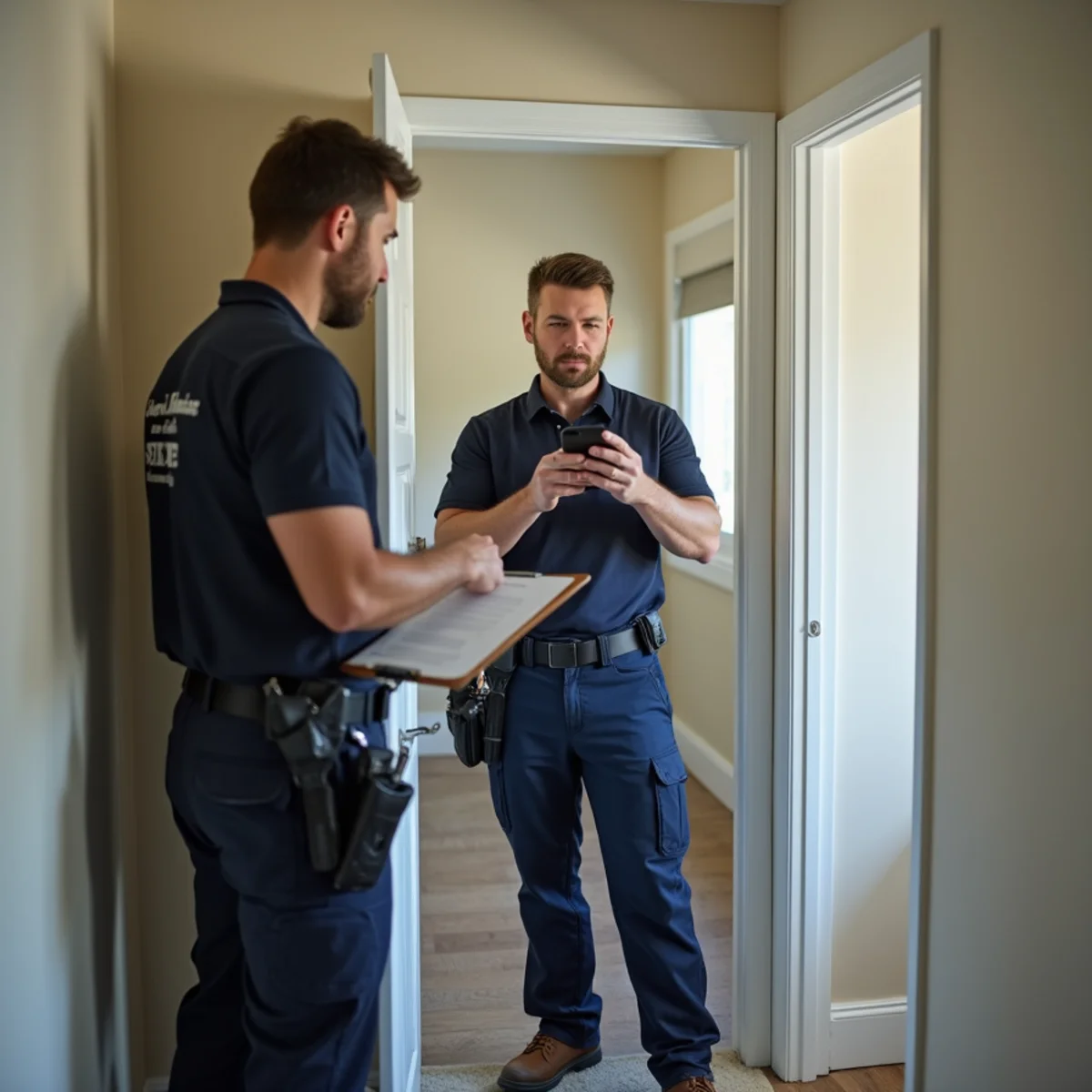
Call restoration and say clearly that you are a commercial property that needs to reopen. That changes how the job is scoped from the first minute.
How the Work Should Be Phased
Residential restoration optimizes for thoroughness on a normal schedule. Commercial restoration should optimize for reopening.
That means the sales floor comes back before the stockroom. Containment isolates the affected area so the rest of the space keeps trading. Extraction and demolition go to overnight or closed hours wherever the tenancy allows. And zones return to service progressively rather than the whole unit at once.
Ask for a phase-by-phase timeline rather than a single completion date. If a company cannot give you one, they are planning to close you for the duration.
That is the model we run for commercial water damage restoration across the Uptown Whittier corridor.
Business Interruption: Say It on Day One
If your policy includes business interruption coverage, that changes what needs recording — and reconstructing it afterward is far weaker evidence than capturing it as the job runs.
What gets documented: which areas were unusable and from when to when, a contents inventory of damaged stock recorded as it is removed, daily photographic and moisture records by zone, and the dates each zone returned to service.
Tell your restoration company on the first call that BI coverage is in play. It costs them nothing to record it properly from the start and it is very hard to add later.
Why Historic Buildings Leak Where They Do
The Greenleaf corridor stock is largely 1920s to 1940s, and the failure points repeat.
Internal roof drains on low-slope roofs, which block with debris and pond water during winter storms. This is the most preventable commercial loss there is — have the drains cleared in October.
Parapet walls and their flashing, which is where masonry buildings almost always leak.
Original supply and waste plumbing running through walls that have had tenant improvements layered over them for decades, so nothing is quite where the drawings say.
Upstairs tenancies, where a failure above becomes your loss below — and then a question about which policy responds.
Sequencing a Commercial Job Around Trading, Not Around Convenience
The difference between a residential and a commercial restoration is not the equipment. It is that on a commercial job every decision has a revenue number attached, and the plan should be built backwards from the date you need to be trading rather than forwards from the date the water arrived.
In practice that means three things. Containment goes up early and aggressively so the unaffected floor area keeps selling while work proceeds behind sealed poly — the instinct to treat the whole unit as a work site is what closes shops unnecessarily. The order of operations gets inverted relative to a house: customer-facing space is dried and reinstated first, back-of-house second, because a stockroom that is still drying costs you far less than a sales floor that is. And loud work gets scheduled outside trading hours where the building allows it, with equipment left running overnight, since equipment noise after closing costs nothing.
Ask for a phase-by-phase timeline rather than a completion date, and ask on day one. A contractor who can tell you which areas come back on which day is planning around your business. A contractor who offers a single end date is planning around their own schedule, and on a retail tenancy those are very different numbers.
The bottom line
Know your shut-off, know your priority stock order, photograph before you move anything, and say "business interruption" on the first call.
Then insist on a phased timeline. Reopening is the deliverable.