Cost & Insurance
Sewage Backup Cleanup Costs — and Whether Your Insurance Will Actually Pay
The most expensive water loss per square foot, and the one most likely to be excluded from your policy. Both facts have the same cause.
Water spreading right now? Call before you finish reading — crews are dispatched during the conversation, 24/7.
+1 (201) 277-9344The short answer
Sewage cleanup costs considerably more than a clean-water loss of the same size: nothing porous is dried and kept, containment with negative air is mandatory, PPE is consumed on every entry and disposal is regulated. Standard California policies exclude it — you need a water backup endorsement, and its sub-limit is often low.
Sewage backups are expensive for the same reason they are hazardous: everything porous the water touched has to leave the building.
And they are frequently uncovered for a reason most homeowners only discover afterward — standard policies exclude backup unless you have added a specific endorsement.
Why Category 3 Costs More Than Category 1
At identical square footage, a sewage backup costs substantially more than a clean supply-line loss. The reasons are all protocol.
Nothing porous gets dried and reused. Under industry standards, porous materials contaminated by Category 3 water are removed rather than cleaned — there is no reliable way to decontaminate the inside of something you can only treat from the surface. Carpet, padding, laminate, MDF cabinet bases, insulation and drywall to a documented cut line all come out.
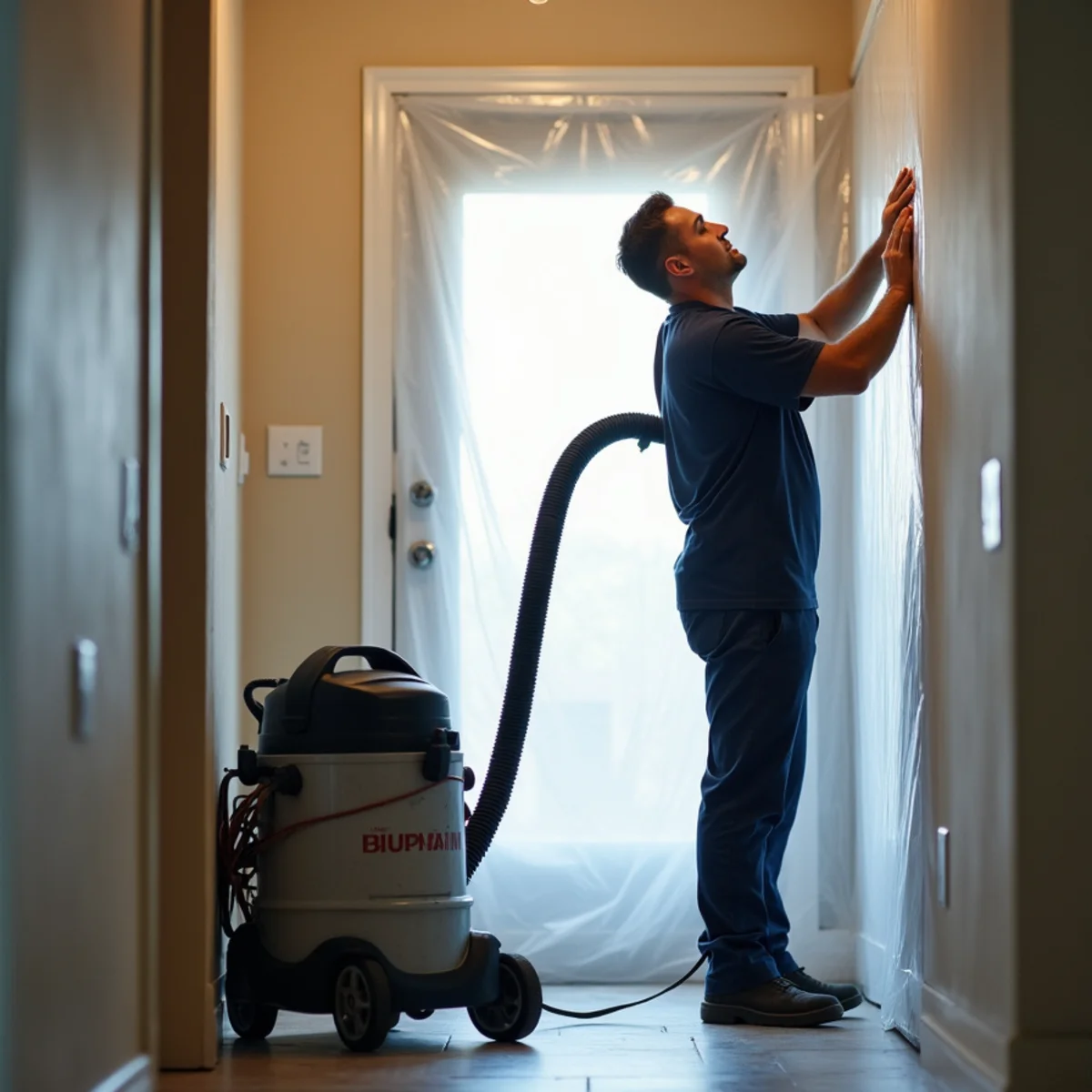
Containment is mandatory. Poly barriers, negative air with HEPA filtration, and a decontamination path. That is materials and labor before removal starts.
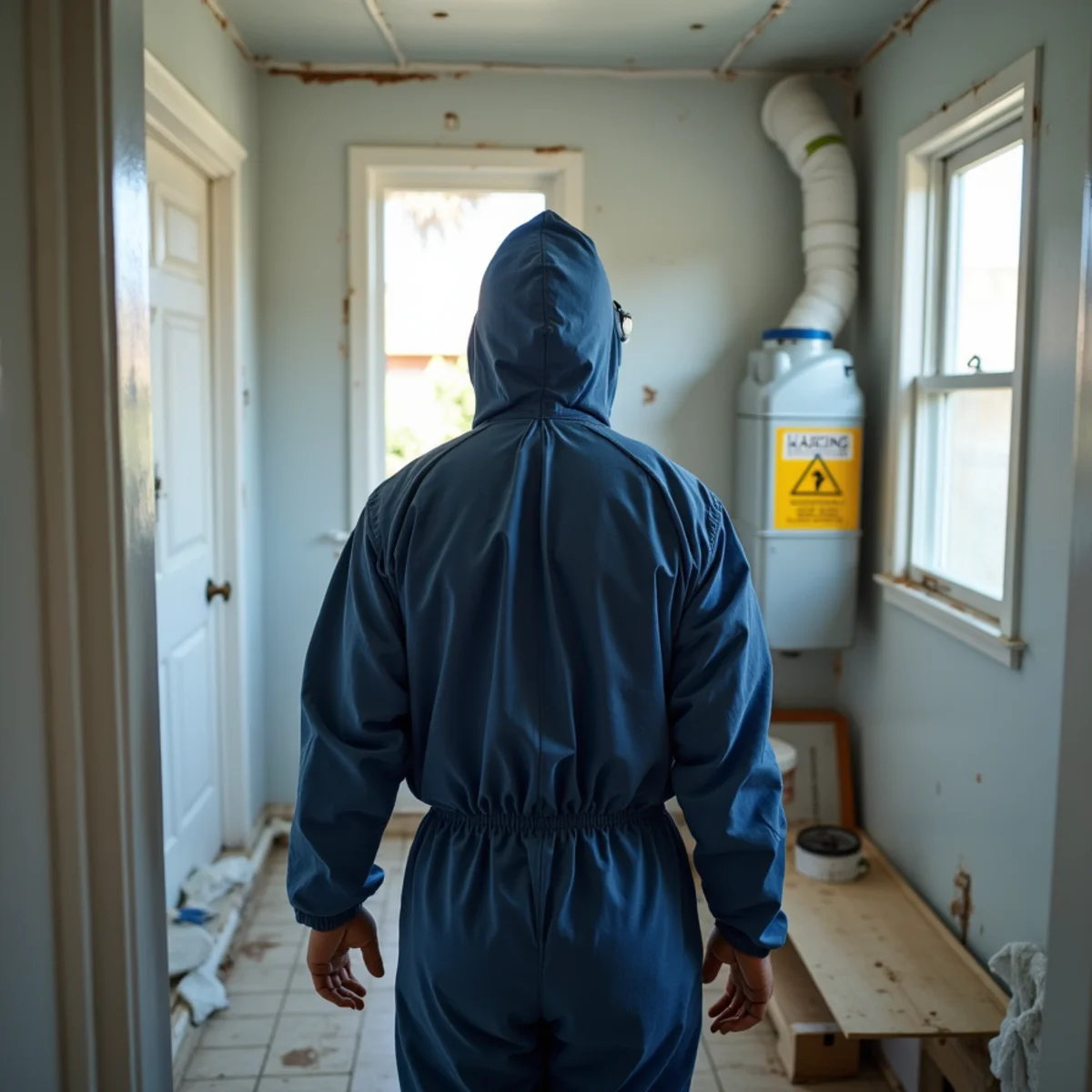
PPE is consumed on every entry. Suits, gloves, respirators, boot covers.
Disposal is regulated and billed by weight and volume.
Equipment does not cross over. Extraction gear used on Category 3 work is not shared with clean-water jobs.
Confirmed 2026 California figures for sewage-specific cleanup are not something we will estimate here. Get itemized quotes and compare the scopes — particularly what each includes for containment, disposal and drywall removal height.
The Coverage Problem
Standard California homeowners policies generally exclude water that backs up through sewers or drains. This surprises almost everyone, because intuitively it feels like exactly the kind of sudden accidental event policies exist for.
Coverage requires a water backup endorsement — sometimes called sewer backup or sump overflow coverage — added to your policy. It is typically inexpensive, and it usually carries its own sub-limit that is lower than your dwelling limit.
Two things to check on your own policy today. Whether you have the endorsement at all, and what the sub-limit is. A backup that reaches multiple rooms can exceed a modest sub-limit easily.
What About the City?
A reasonable question, and the answer usually disappoints.
The sewer lateral — the line from your house to the city main — is the property owner's responsibility in most jurisdictions. If the blockage is in your lateral, which is where root intrusion overwhelmingly occurs, it is your problem and your claim.
If the blockage is in the city main, a claim against the municipality may be possible, but public entities generally have immunities and notice requirements that make these difficult and slow. Report it regardless — the record matters — but do not plan your restoration around it.
Have the line camera-inspected either way. It tells you where the blockage was, which determines who is responsible.
Why It Happens Here, and When
Older Whittier-area neighborhoods run original vitrified clay sewer laterals in short jointed sections. Those joints leak a small amount of moisture into the soil, roots from mature street trees grow toward it, and over years they form a net inside the pipe.
The line restricts progressively rather than blocking suddenly, which is why the warning signs are so easy to dismiss: one slow drain, then several, then gurgling from a tub when a toilet flushes.
The seasonality is consistent. Roots grow through the dry months; the first heavy November rain loads the system past what the restricted line can carry. That is why our backup calls cluster in the same few weeks every year, particularly from Penn Park, Central Whittier and older parts of Santa Fe Springs.
Reducing the Risk and the Cost
Prevention here is unusually cost-effective, because the failure is so expensive.
- Add the water backup endorsement to your policy — the cheapest item on this list by far
- Have the lateral camera inspected if you have had two slow-drain episodes in a year
- Schedule periodic root cutting where inspection shows intrusion, rather than waiting for the backup
- Consider a backwater valve on the lateral, which prevents flow reversing into the house
- Never pour grease down a drain — it coats the restricted section and accelerates blockage
- Know where your cleanout is, so a plumber can access the line quickly
Check the Sub-Limit, Not Just the Endorsement
The endorsement question — do you have water backup cover at all — gets asked reasonably often. The sub-limit question almost never does, and it is the one that determines whether the cover actually resolves your loss.
Water backup endorsements are typically written with their own cap, separate from and much lower than your dwelling limit. A cap set at a modest figure was sensible when it was chosen and stops being sensible against a backup that reaches a hallway, two bedrooms and a run of kitchen cabinetry, because a category 3 loss removes rather than dries almost everything porous it touched. The gap between the cap and the actual scope is paid by you. Raising the limit at renewal generally costs very little relative to that exposure, and it is a five-minute phone call to your agent.
The other thing worth knowing is what an unusually cheap sewage quote is leaving out. Category 3 work that skips containment, skips negative air, or disinfects a floor without removing the porous materials underneath produces a room that looks clean and smells fine for about a fortnight. The odor that comes back is contamination still in a wall cavity or a subfloor, and the second cleanup costs more than doing it properly the first time, because by then the drywall is coming out regardless.
The bottom line
Two actions worth taking this week: check whether your policy has a water backup endorsement, and if you have had two slow drains in a year, get the lateral camera-inspected.
Both cost very little. The event they prevent does not.