Cost & Insurance
What Drives Mold Remediation Costs Up (or Down) in an LA County Home
Per-square-foot pricing is close to meaningless in mold work. Here is what actually determines the number — starting with a cost that is not remediation at all.
Water spreading right now? Call before you finish reading — crews are dispatched during the conversation, 24/7.
+1 (201) 277-9344The short answer
Containment complexity, how much porous material has to be removed, and how difficult the rebuild is — in that order. Visible square footage predicts cost poorly. The repair that stops the moisture is a separate line item, and any quote that does not identify the moisture source is a cleaning proposal rather than a remediation plan.
"Mold remediation cost per square foot" is the most searched phrase in this category and one of the least useful. A one-square-foot patch behind a vanity and a one-square-foot patch in the middle of an attic plane are completely different jobs.
What actually drives the price is the containment, the materials, and the repair that stops the water.
The Cost That Is Not Remediation
Before anything else: mold is a symptom. Something has been wet long enough for it to grow, and until that moisture source is corrected, removal is temporary.
That means every honest mold quote has a second cost attached — the plumbing, roofing or drainage repair that stops the water. Sometimes that is a small plumbing job. Sometimes it is a slab leak repair or a roof section, and it costs more than the remediation.
A remediation quote that does not identify the moisture source is not a quote. It is a cleaning proposal, and you will be paying for it again.
What Containment Actually Costs
Removing mold generates airborne spores. Done in an unsealed room, that distributes them through the house and into the HVAC system — you have redistributed the problem rather than removed it.
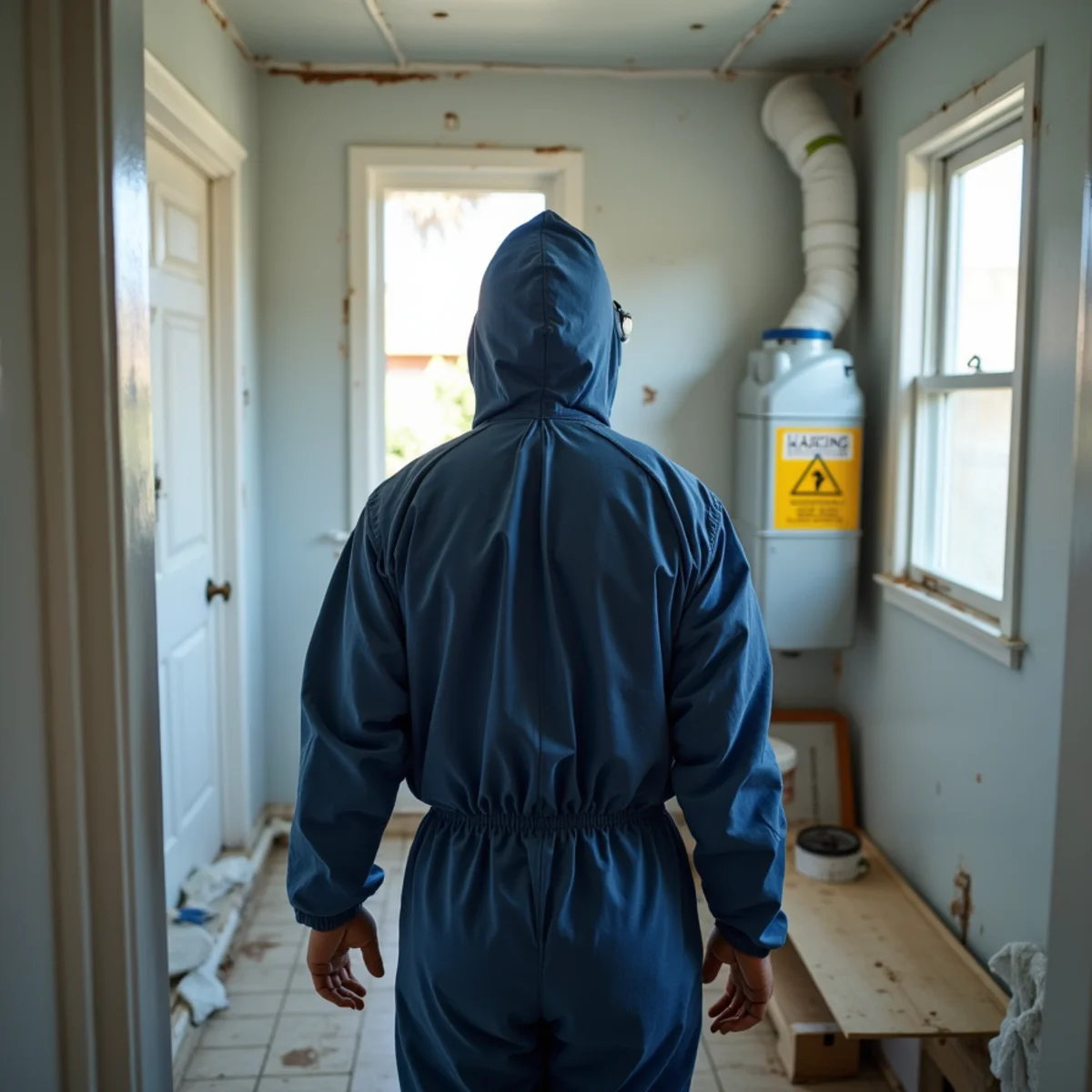
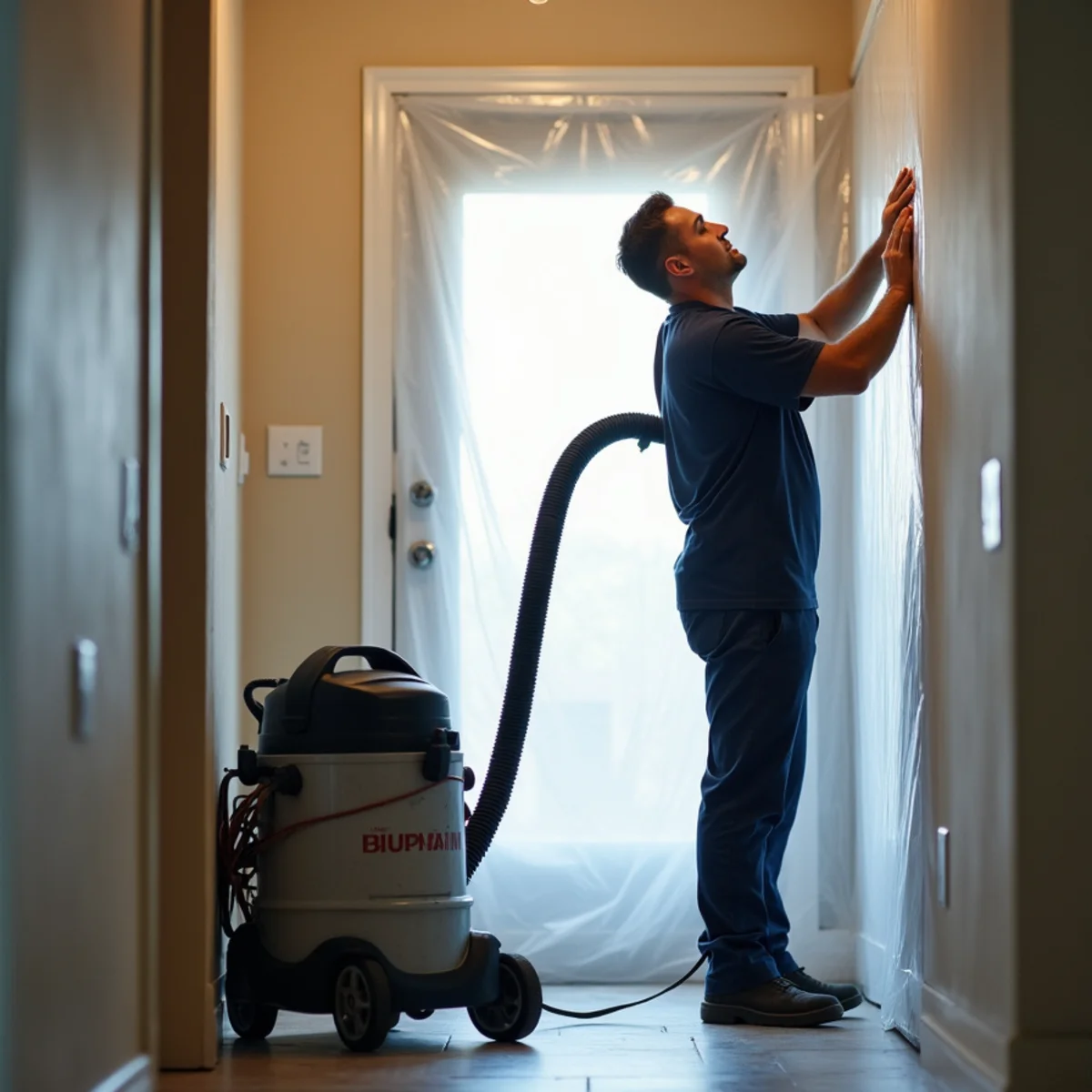
Proper containment means sealed poly barriers around the work area, negative air pressure maintained with HEPA-filtered air scrubbers so air flows in rather than out, sealed HVAC registers, and a decontamination path. That is materials and labor before a single piece of affected drywall comes out.
The cost drivers are the number of zones (three separate small areas cost more than one larger one), the days containment stays up (it stays until verification is complete, not until removal finishes), and access difficulty — attic and crawl space containment is significantly harder than a bathroom.
Materials: What Comes Out and What Gets Cleaned
Porous materials with growth are removed. Non-porous surfaces are cleaned and treated. That division drives most of the material cost.
Removed: affected drywall, insulation, carpet and padding, particle board and MDF cabinetry, ceiling tile.
Cleaned and kept: framing lumber, concrete, tile, metal, glass, solid wood — HEPA vacuumed, detail wiped, treated.
The expensive scenarios are the ones where removal means rebuilding something difficult: a tiled shower assembly, a run of custom cabinetry, a plaster wall in a pre-war home, or an attic plane requiring insulation replacement to the correct R-value across a large area.
Testing: When It Earns Its Cost and When It Does Not
Air sampling is genuinely oversold in this industry, and being straight about that saves people money.
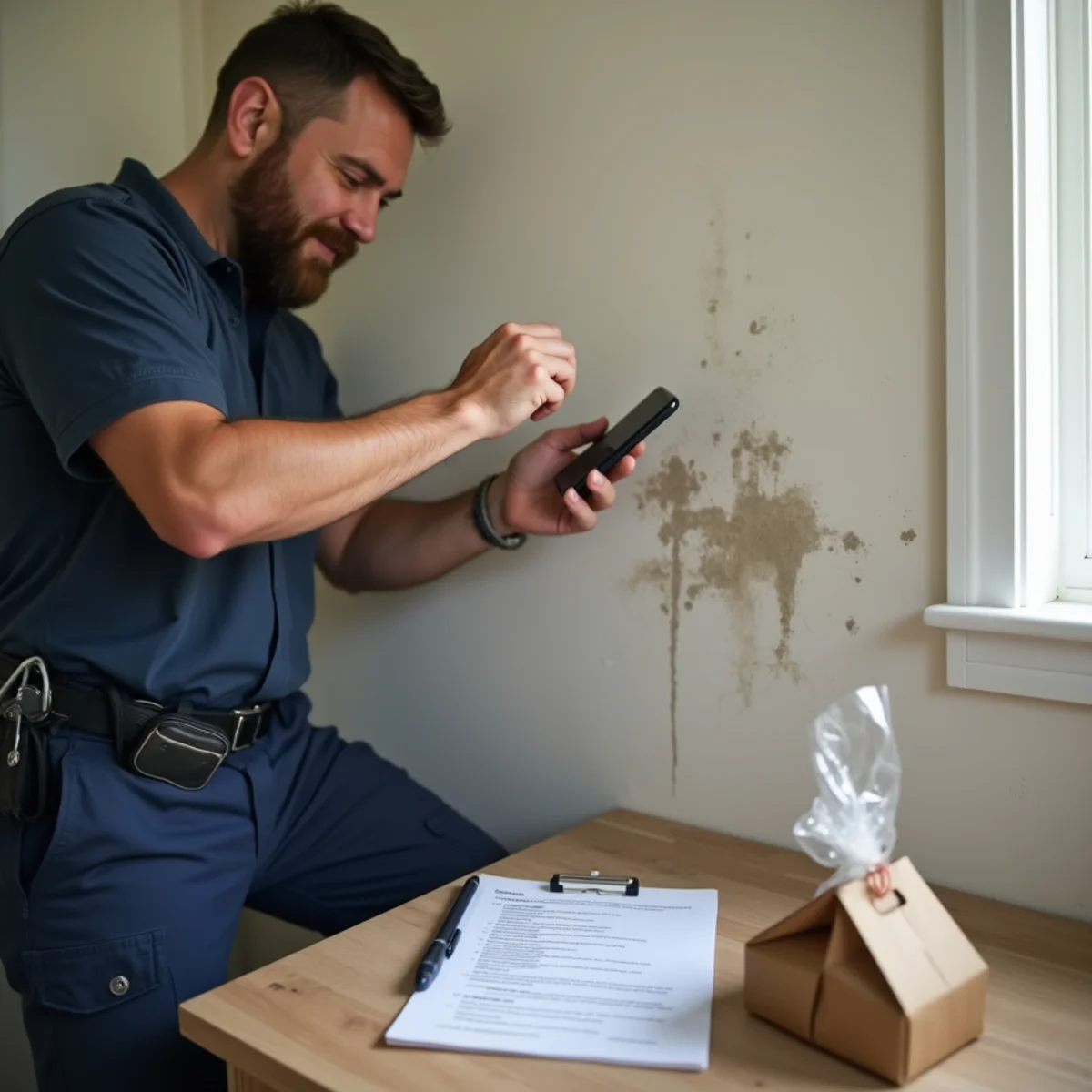
Not usually worth it: you can see the growth, and the moisture source has been identified. Testing confirms what your eyes already told you.
Worth it: establishing a pre-work baseline on a contested insurance claim; clearance verification in a household with a medically sensitive occupant; locating a hidden source when there is odor but nothing visible; and any real estate transaction where documentation will be required.
When you do test, use an independent hygienist rather than the remediation contractor. A company grading its own homework is a conflict any adjuster will identify immediately.
The California Regulatory Picture
California has no state licensing scheme specific to mold remediation. There is no license number to check, which puts the burden of assessing competence entirely on you.
The questions worth asking: How will you establish containment, and will you maintain negative air? How will you identify and confirm the moisture source is corrected? What moisture readings will you provide, and how often? Who does your clearance testing, and are they independent?
A company that answers those four crisply is doing this properly. A company that leads with a per-square-foot price is not.
Where LA County Homes Differ
The regional dry climate misleads people. Outdoor humidity here is low most of the year, but the inside of a wall cavity holding water from a slab leak is its own microclimate and stays humid indefinitely regardless of the weather.
The locations we find growth in repeat because the construction repeats: under kitchen sinks and around dishwashers; at wall bases in slab homes with undetected leaks; behind 1950s and 60s mud-set tile shower surrounds; in attics under winter roof leaks; and in crawl spaces where the vapor barrier has torn.
In older housing across Bellflower, Montebello and the pre-war parts of Whittier, add plaster walls — which hold considerably more water than drywall and give it up slowly, extending both the drying and the remediation timeline.
How to Compare Three Mold Quotes That Look Nothing Alike
Mold quotes are notoriously hard to compare because contractors scope them differently, and in California there is no state remediation license to use as a filter. The fix is to normalize them yourself against a short list before looking at any of the numbers.
Ask each company to state, in writing, the same six things: how containment will be built and whether negative air with HEPA filtration will be maintained for the duration; exactly which materials are being removed and to what boundary beyond visible growth; how the moisture source is being identified and who is repairing it; how many days the containment stays up; whether disposal is included; and whether the price includes rebuild or ends at bare framing. Three quotes answering those six questions are comparable. Three quotes with a square-foot rate on them are not.
The clearance question is where the cheapest option usually reveals itself. A remediation that ends when the contractor says it is finished is a self-graded exam. Independent post-remediation verification by a hygienist with no financial interest in the outcome costs a few hundred dollars against a job worth thousands, and it is the only part of the process that tells you objectively whether you got what you paid for. If a contractor discourages it, that is information.
The bottom line
Judge a mold quote on four things: does it identify the moisture source, does it describe containment and negative air, does it specify what comes out versus what gets cleaned, and does it say who verifies the result.
A price per square foot answers none of those.