Emergency Guides
Water Heater Flooded the Garage: Emergency Steps Before Help Arrives
Forty to eighty gallons on the floor, and the tank is still refilling. Here is the shut-off sequence — and the wall you must check before you assume it stayed in the garage.
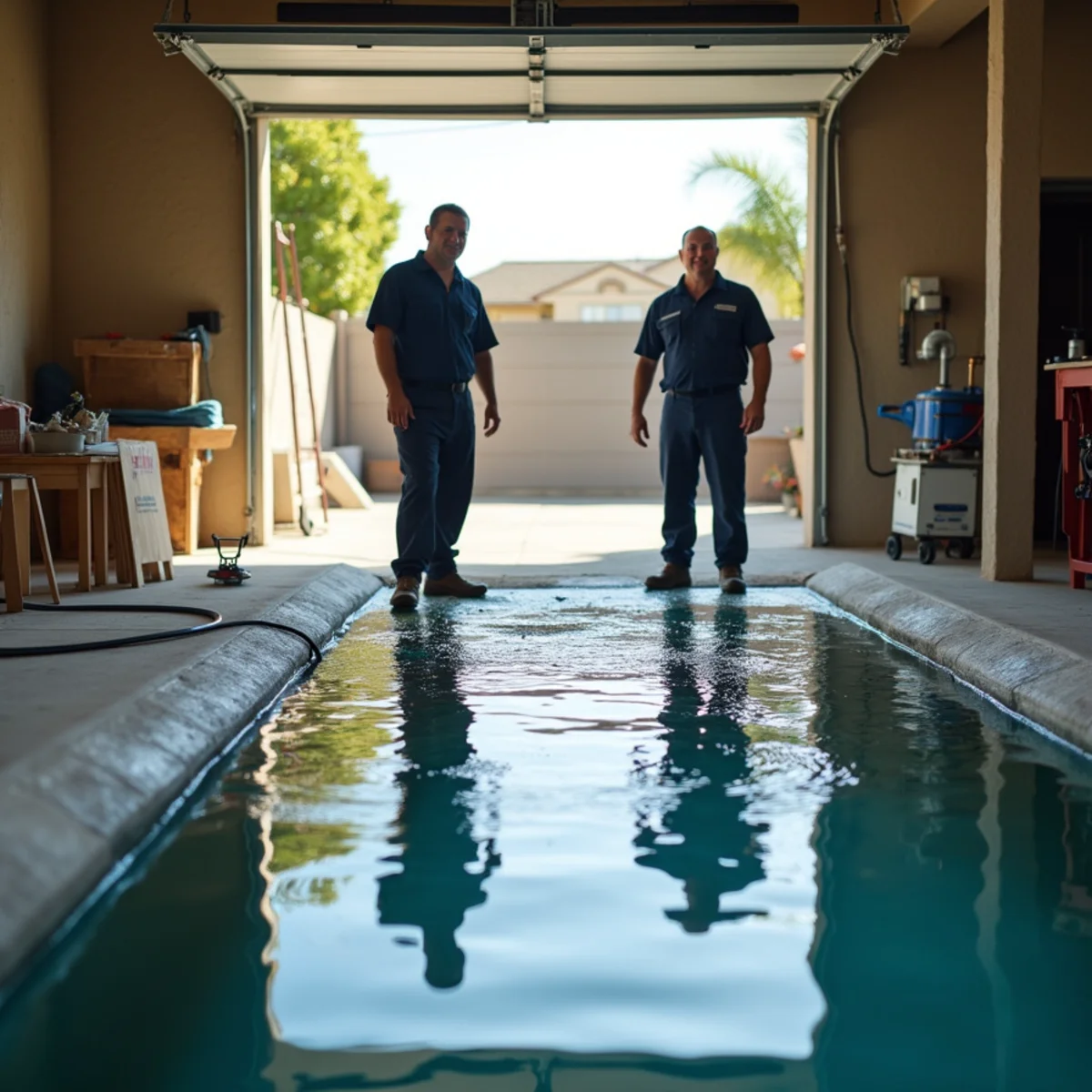
Water spreading right now? Call before you finish reading — crews are dispatched during the conversation, 24/7.
+1 (201) 277-9344The short answer
Close the cold water inlet valve on top of the tank so it stops refilling, shut off the gas control valve or the dedicated breaker, then go inside and check the baseboard along the wall the garage shares with the house. That third check is what decides whether this is a mop-up or a restoration job.
A failed water heater does not simply empty and stop. The cold supply is still connected, so the tank keeps refilling and keeps leaking until you close a valve.
Two shut-offs, in this order, then one inspection that decides how big this job actually is.
Step 1: Close the Cold Water Inlet
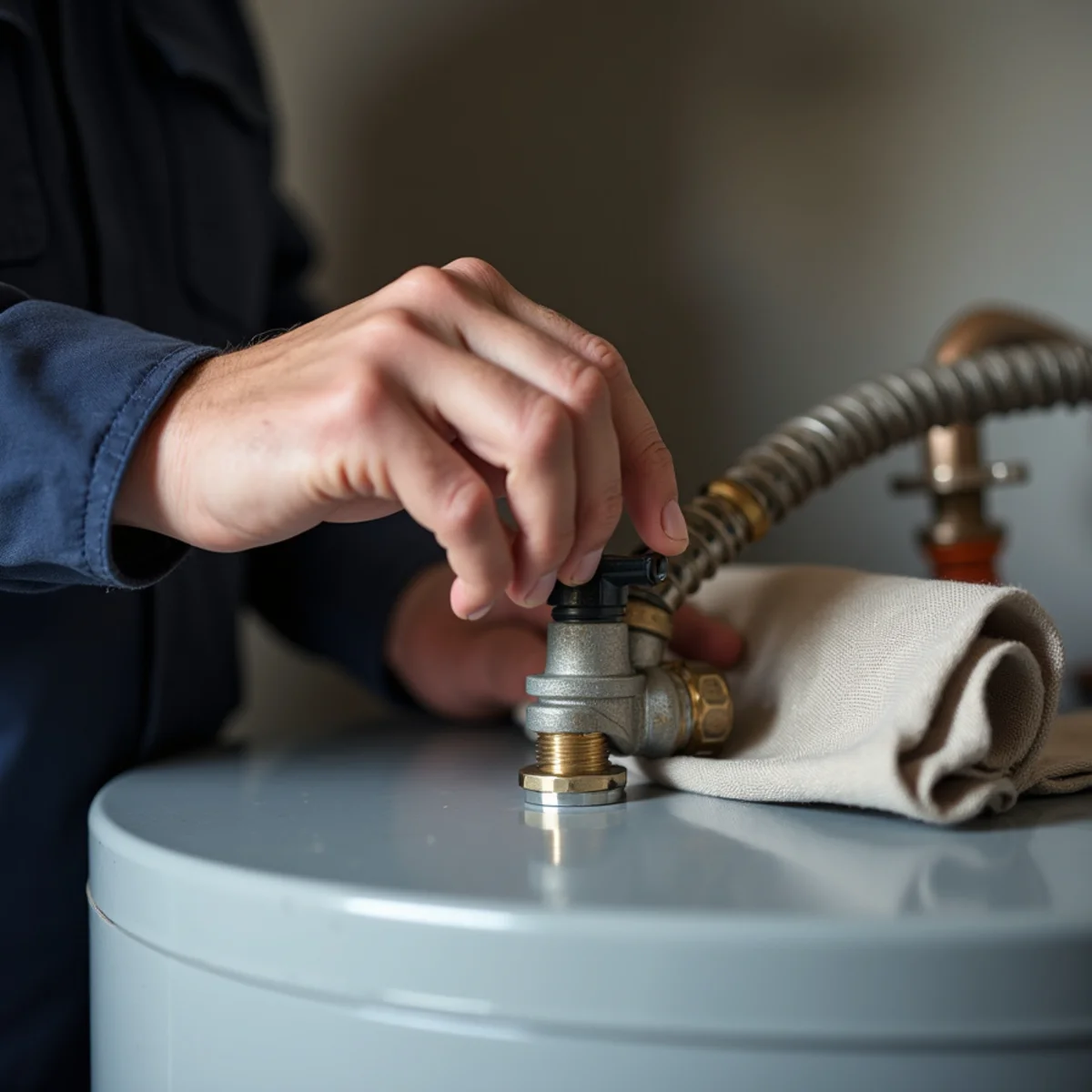
On top of the tank you will find two pipes. The cold inlet has a valve on it — usually a lever (a quarter turn closes it) or a round gate valve (turn clockwise until it stops).
Close it. That stops the refill cycle immediately.
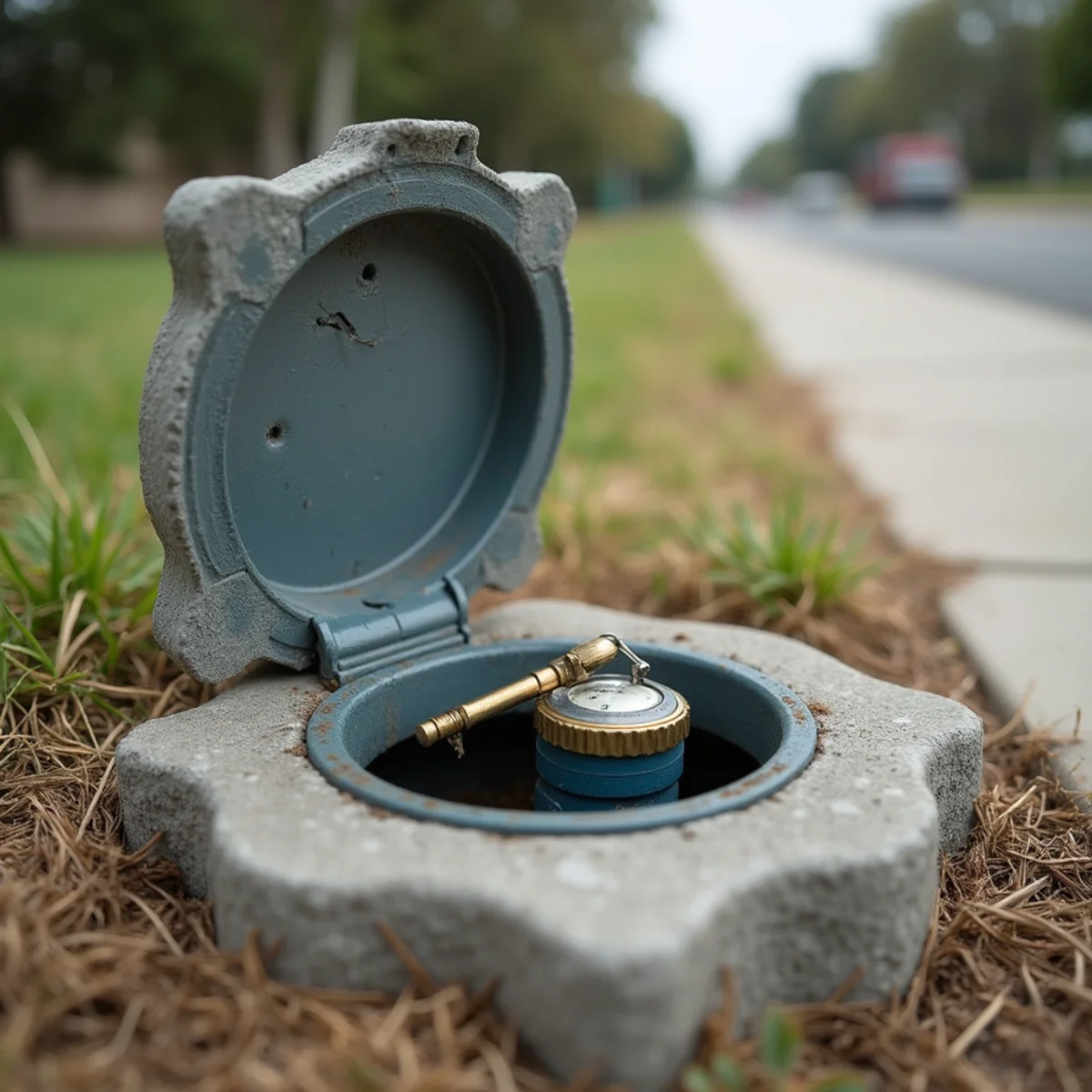
If the valve is seized, which happens on older installations that have never been exercised, go to the main house shut-off instead — the meter box at the street or the exterior wall where the supply enters.
Step 2: Cut the Energy Source
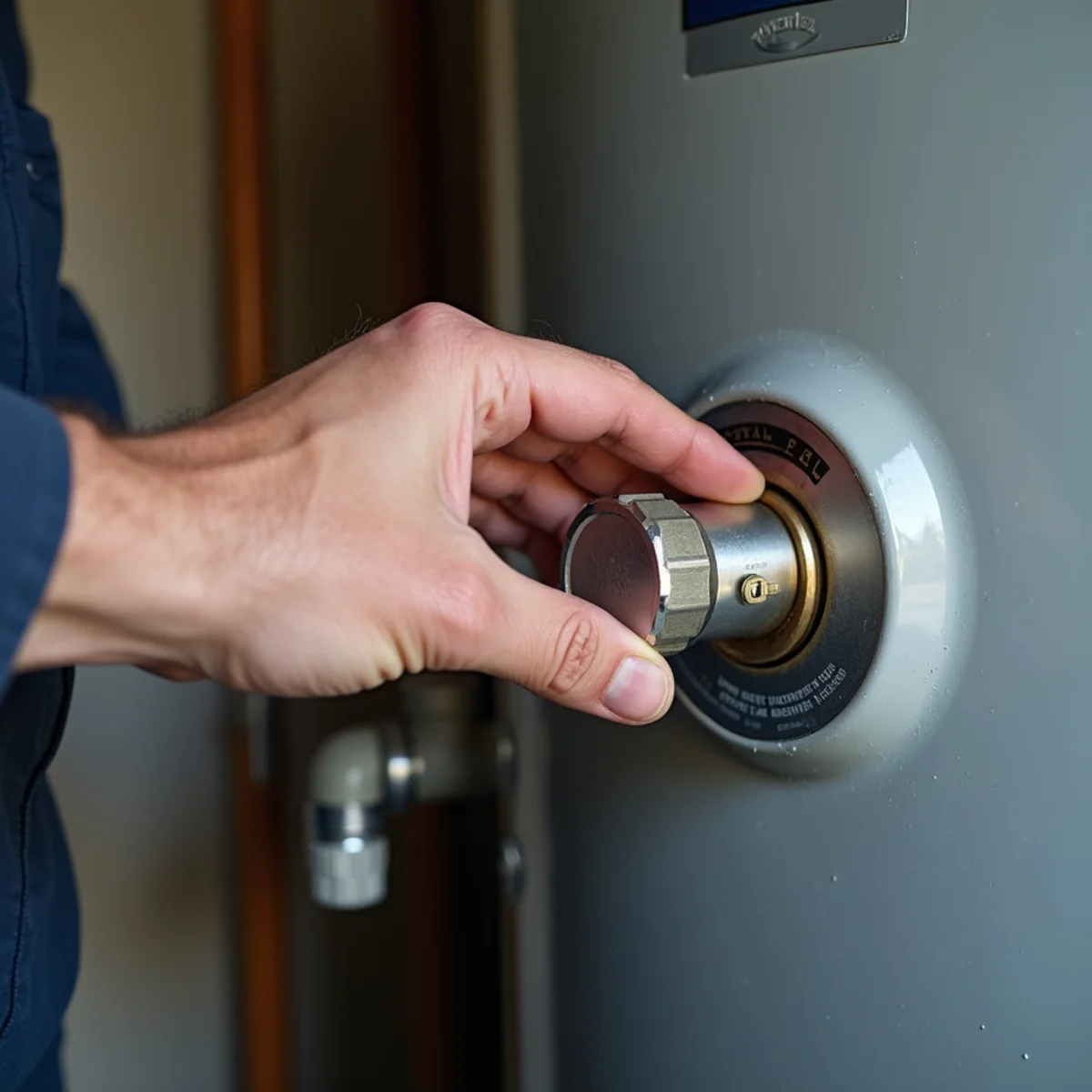
Gas heater: turn the gas control valve on the unit to "off". There is also a shut-off on the gas line running into the heater; close that too.
Electric heater: switch off the dedicated breaker in your panel. Do not reach for the panel if you would have to stand in water to do it.
This step matters because a heating element or burner firing on a tank that has lost water is a genuine hazard, not a theoretical one.
Step 3: Check the Wall the Garage Shares With the House
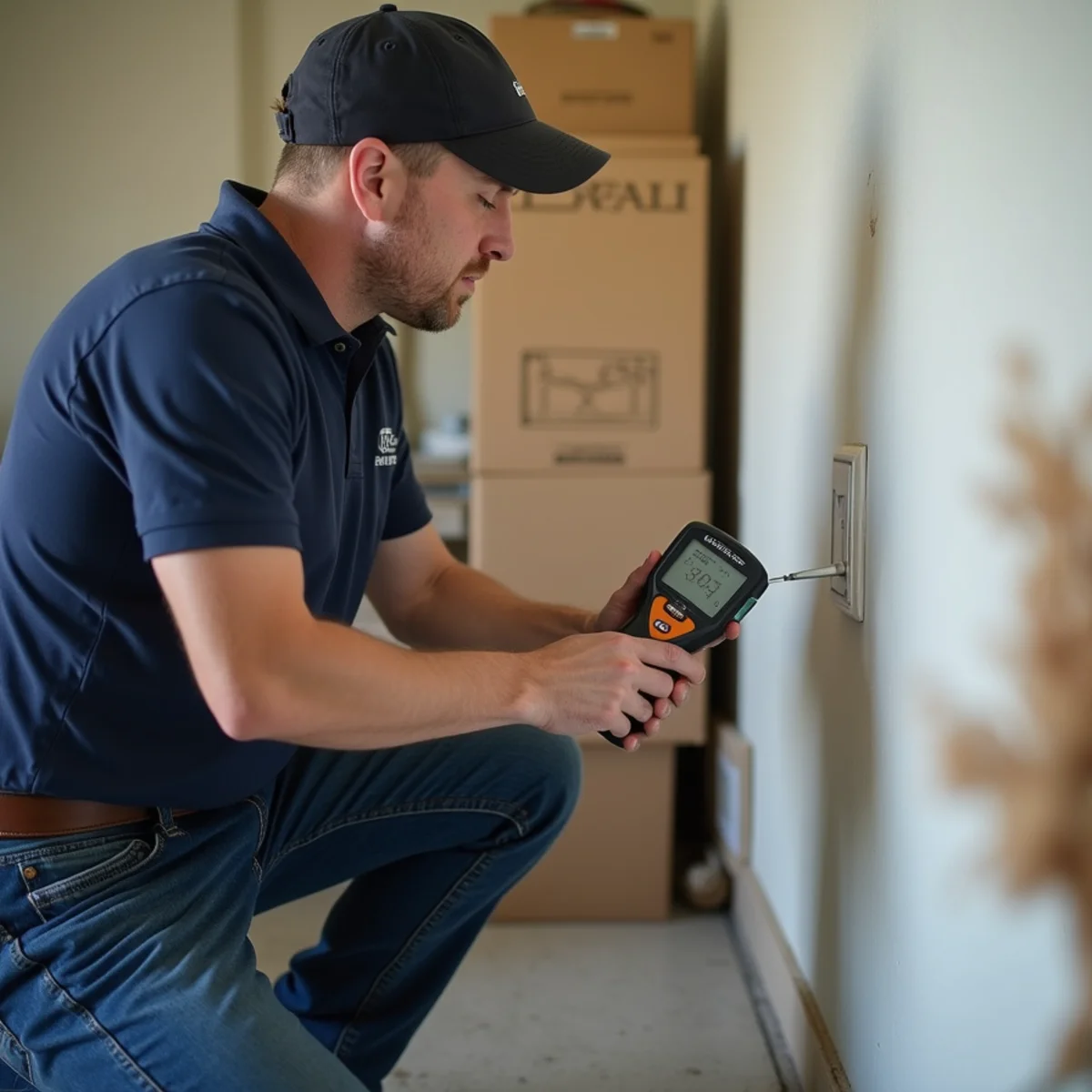
This is the step that separates a modest garage cleanup from a full restoration, and it is the one homeowners almost always skip.
California garages are poured to drain toward the door. On a house built in the 1950s or 60s, sixty years of soil movement and settlement have frequently changed that. The slab no longer falls the way it was poured, and water pools against the interior wall — the one shared with your living space — instead of running out to the driveway.
Once there, it wicks into the bottom plate of the wall framing and up the drywall on both faces. From the garage side you might see nothing at all. From inside the house, the damage is behind the baseboard in a hallway or bedroom.
Go inside. Feel the baseboard along the shared wall and the flooring next to it. If either is damp, cool, or the baseboard has darkened, this is now a water damage restoration job rather than a mop-up.
Step 4: Deal With What Was Stored on the Floor
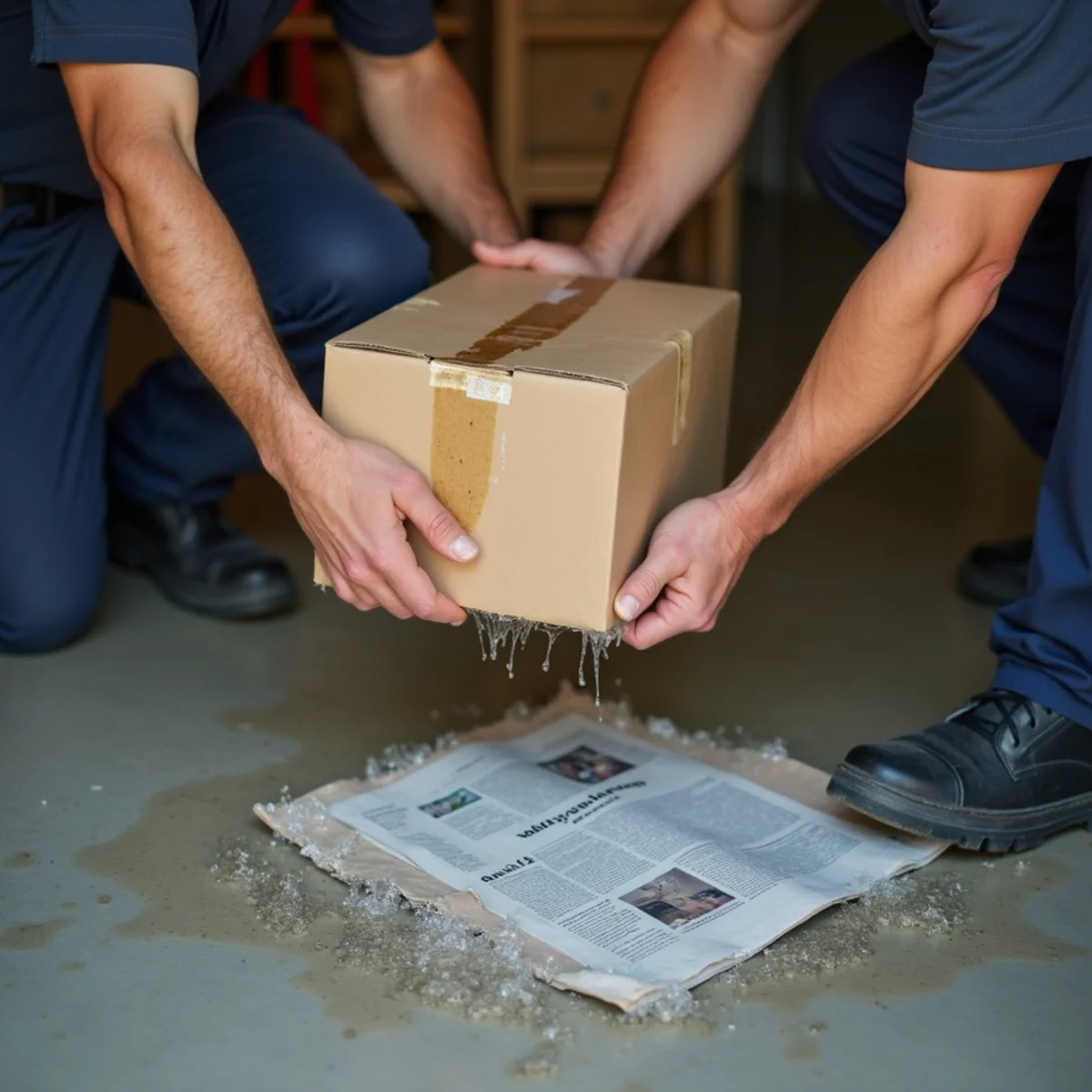
Garages are full of absorbent material sitting directly on the slab: cardboard boxes, paper records, camping gear, particle-board shelving, stored textiles.
Cardboard that has been saturated is finished — it wicks water upward through everything stacked in it and it is prime mold substrate. Get anything salvageable up off the floor and somewhere dry, and photograph the rest where it lies before you move it.
Documents and photographs are worth saving even if they look ruined. Specialty drying recovers a lot more paper than people expect, but the window is days rather than weeks.
Why Whittier Water Heaters Fail Early
Hard water is the accelerant. Los Angeles County water carries substantial mineral content, and inside a heater those minerals settle out as sediment on the bottom of the tank.
That sediment layer insulates the steel from the burner, so the bottom of the tank runs hotter than designed. Overheated steel at the bottom seam is exactly where these tanks fail. Sediment also consumes the sacrificial anode rod faster — the component whose entire purpose is to corrode instead of the tank lining.
Practical version: flush the tank annually, have the anode checked around year five, and treat any heater past ten to twelve years as living on borrowed time. Full detail in our guide to when to replace water heaters, hoses and supply lines.
The Strapping Question
While you are looking at the unit, check whether it is properly strapped. California Health and Safety Code section 19211 requires water heaters to be braced, anchored or strapped against earthquake displacement — two straps, at the upper and lower thirds of the tank, anchored into structure rather than just drywall.
It is usually discussed as a seismic and gas-safety rule. It is also a leak rule: an unstrapped tank shifts during even a moderate event, stressing the rigid supply and gas connections at the top, and a connection pulled slightly out of true starts weeping in a room nobody visits weekly.
The Shared Wall Is Where These Jobs Are Won or Lost
Almost every garage water heater call we attend follows the same shape. The homeowner has squeegeed the slab, the floor looks fine, and the question they ask is whether they really need anyone at all. The answer sits in the wall behind them, and it takes about two minutes to settle.
We read the shared wall from both faces — garage side and interior side — at the bottom plate, then at ankle height, then at knee height. A garage face that reads dry means very little on its own, because that side is usually painted masonry or a fire-rated board that sheds water, while the interior side is ordinary drywall sitting on a plate that has been wicking since the tank let go.
The other thing worth understanding is that garage slabs dry slowly and misleadingly. Concrete releases moisture for days after the surface looks and feels dry, and a garage with the door shut has almost no air exchange to carry that moisture away. That combination is why the odor complaint on these jobs usually arrives about a week after everyone agreed it was fine — which is why we set a dehumidifier in the space rather than relying on the roll-up door and a fan.
The bottom line
Cold inlet closed, energy off, shared wall checked. That is the whole emergency sequence, and the third item is the one that decides the size of the job.
If that wall reads wet, call before it dries into a mold problem you cannot see.