Local Whittier Angles
Whittier Gets ~14 Inches of Rain — Almost All of It November to March. Is Your Home Ready?
It is not the total that causes damage. It is that a year's rain arrives in five months, after eight months of nothing testing anything.
Water spreading right now? Call before you finish reading — crews are dispatched during the conversation, 24/7.
+1 (201) 277-9344The short answer
It is ready if the October work has been done. Roughly 14 inches falls between November and March onto a roof and drainage system that has sat idle for eight months. Clear gutters, downspouts and every area drain, confirm the grade falls away from the house, and inspect the roof line and thresholds from the ground.
Fourteen inches a year sounds modest, and it is — roughly a third of the national average. It is also close to irrelevant as a measure of risk.
What matters is the distribution. Nearly all of it falls between November and March, which means the systems that keep water out of your house sit idle for eight months and then get tested continuously for five.
The Eight-Month Idle Problem
From April to October, essentially nothing tests your roof, your gutters or your drains. Meanwhile, things accumulate and degrade.
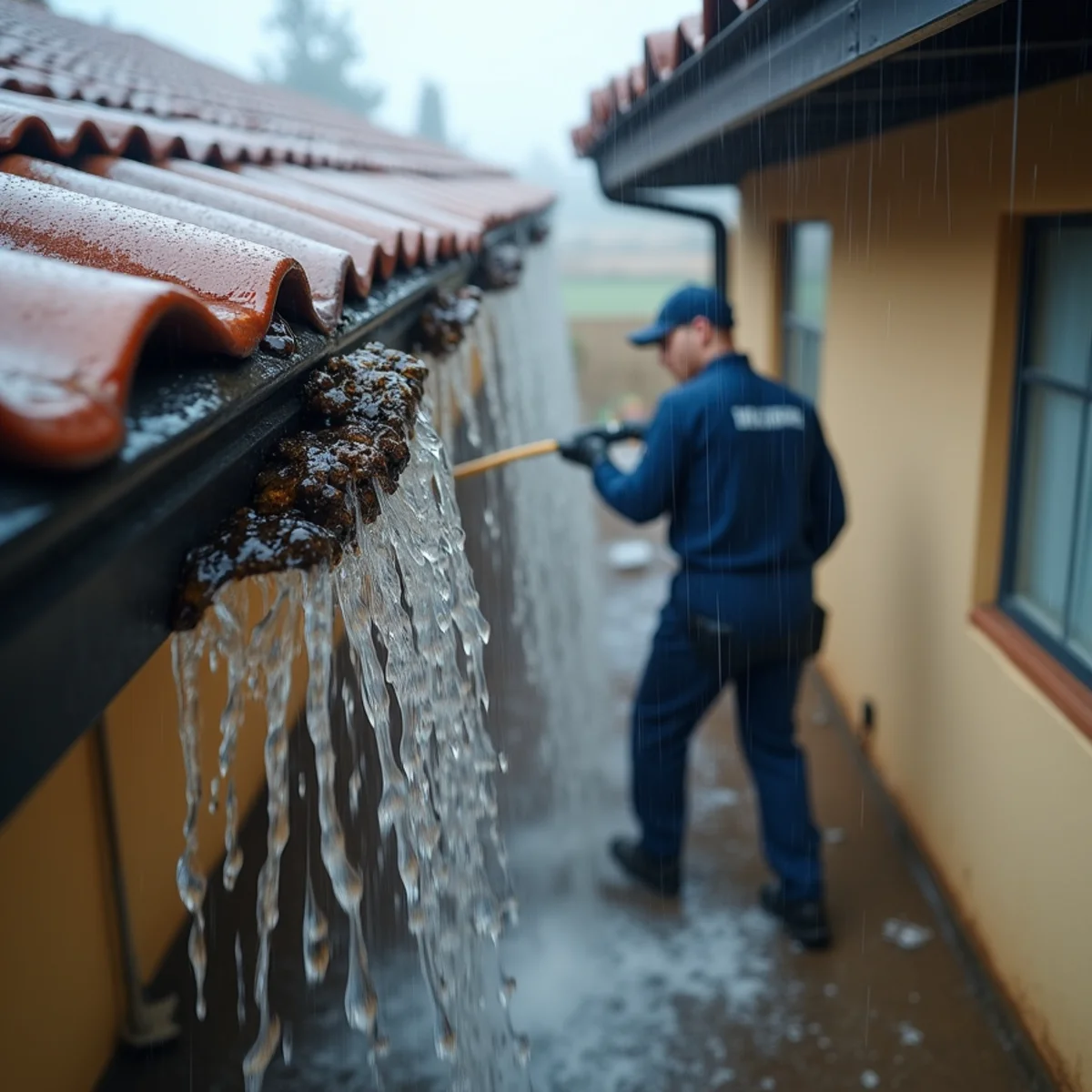
Leaf litter and debris fill gutters and area drains. UV and heat make roofing sealant brittle and shrink flashing. Vent boot collars — the rubber seals around plumbing vents — dry out and split. Soil dries, shrinks and pulls back from foundations, opening paths for the first water that arrives.
Then November comes and all of it is loaded at once. That is the mechanism behind almost every storm call we take: not a dramatic failure, but eight months of quiet degradation meeting the first sustained rain.
Why the First Storm Is the Worst
Our call volume spikes on the first significant system of the season more than on any single heavier storm later.
The reason is simple: it is the first time everything gets tested. Gutters are at their fullest, drains are at their most blocked, and nobody has looked at any of it since spring.
By December, most of the debris has been flushed through or noticed and cleared. The homes that flood in November are frequently the same homes every year, and the cause is a maintenance schedule rather than bad luck.
The Second Spike: Days Three and Four
The other pattern is within storms rather than across the season.
Day one of a sustained system, the ground absorbs and the roof sheds. By day three, soil is saturated and stops absorbing, underlayment that has been holding water for seventy-two hours starts letting it through, and the defect that shrugged off day one becomes an active leak.
That is why a "small" storm that sits over the region for four days does more damage than a heavier one that passes through in an afternoon.
The October Checklist
An afternoon, done before the first system, prevents most of what we get called for.
- Clear gutters completely and flush the downspouts
- Confirm downspouts discharge at least a few feet from the foundation, not against it
- Clear every area drain, yard drain and channel drain of accumulated debris
- Check the grade around the house — soil should fall away from the structure
- Inspect the roof from the ground: slipped or cracked tiles, lifted shingle edges, damaged flashing
- Look at plumbing vent boots specifically — split rubber collars are a very common leak source
- Trim limbs overhanging the roof, which wind turns into punctures
- Check garage and exterior door thresholds where water could enter at grade
- Look into the crawl space with a torch if you have one
The Wind Half of the Season
Whittier gets a second seasonal risk that pure rainfall figures do not capture: Santa Ana events, pushing dry offshore wind through the region at speeds that lift roofing material and snap limbs.
On their own, wind events cause mechanical damage. Combined with rain — which is what a frontal passage delivers — they drive water horizontally under laps and flashings designed only to shed water falling downward.
It is worth walking your roof line from the ground after any significant wind event and looking for anything displaced. Finding a lifted tile in October is a repair. Finding it in January is storm damage cleanup.
Which Items on the Checklist Earn Their Place, and Why
Not every task on a seasonal checklist carries equal weight, and knowing the order is useful when the afternoon is shorter than the list.
Drainage first, always. Gutters, downspouts and area drains account for the large majority of what we get called to during a wet season, and the failures are unglamorous: a downspout discharging against a foundation, a side-yard drain full of leaf litter, a channel drain at a garage threshold that stopped working in July and nobody noticed. Grade comes with it, and it is the item homeowners most often get wrong — landscaping, raised beds and new hardscape frequently reverse the fall the builder established, and soil that slopes back toward the structure defeats every other measure you take.
Roof second, and specifically the parts that are not the tiles. Plumbing vent boots — the rubber collar where a vent pipe passes through the roof — split from UV exposure and are a genuinely common entry point that costs very little to replace. Flashing at valleys, at chimneys and at the junction where an addition meets the original roof plane is the next most common. Visible tile or shingle in good condition tells you less than it seems to, because underlayment ages beneath it out of sight.
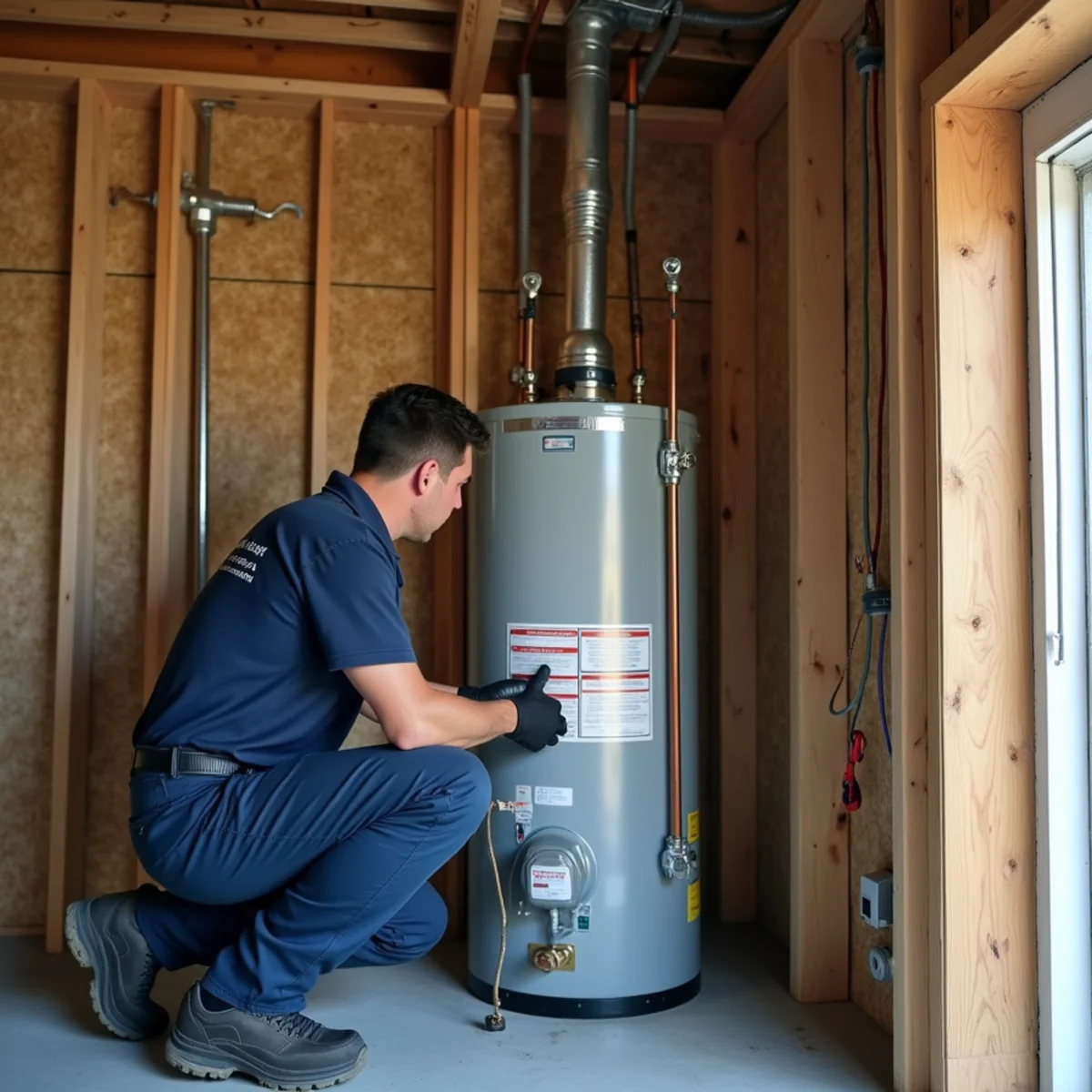
Interior plumbing third, because it is not weather-dependent — supply hoses, angle stops and a water heater past its tenth year are risks in July as much as January. They belong on an annual list; they just do not need to be done before the first storm.
The bottom line
Eight months of nothing, then a year's rain in five. That is the pattern, and it is entirely predictable.
Which means so is the maintenance. One afternoon in October, every year.