Prevention & Maintenance
Winter Storm Prep Checklist for Whittier and the San Gabriel Valley
Do it in October, in this order. The first three items prevent more damage than everything else combined.
Water spreading right now? Call before you finish reading — crews are dispatched during the conversation, 24/7.
+1 (201) 277-9344The short answer
Work in four tiers, in order: drainage first — gutters, downspouts, area drains, grade and thresholds; then roof and envelope, inspected from the ground; then interior plumbing, hoses and shut-offs; then preparedness, alerts and a pre-loss photo record. Do it in October, before the first significant system of the season.
Almost every storm call we take was preventable in about three hours of work done before the season started.
This is the list, in the order that matters — highest prevention value first, so if you only get through the first section you have still done the important part.
Tier 1 — Do These First (Drainage)
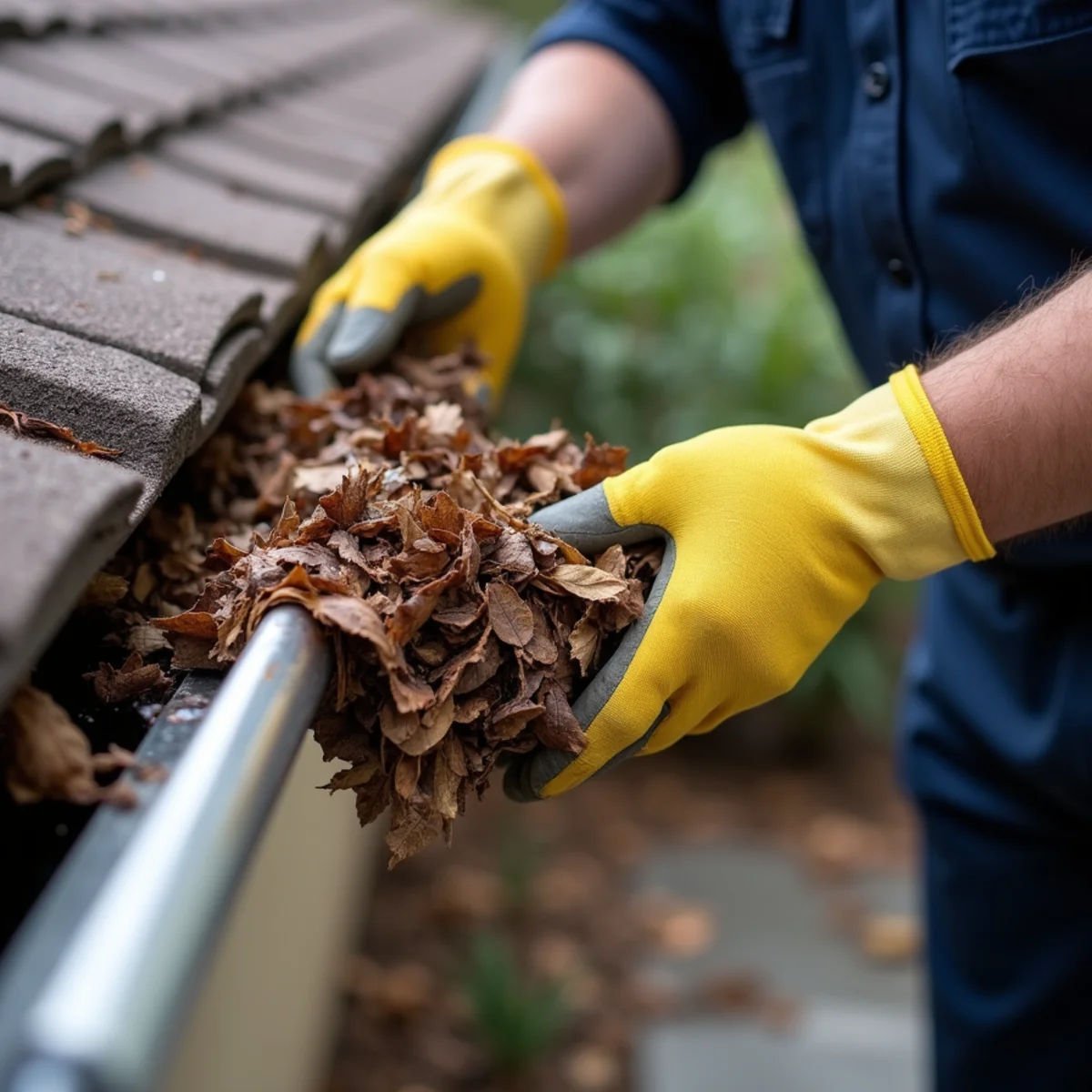
Water entering at ground level causes more losses here than roof failure does, and it is almost entirely a drainage-maintenance problem.
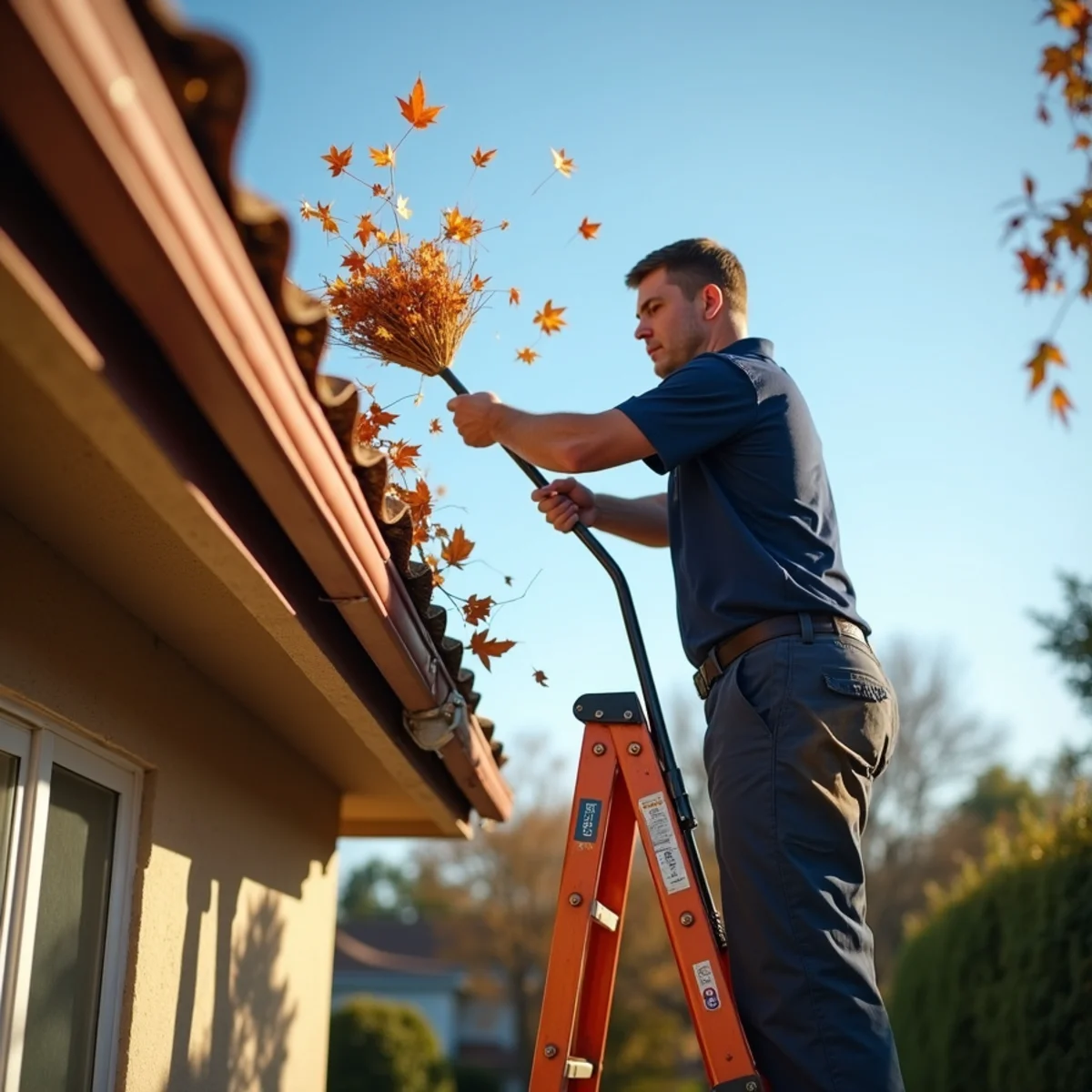
- Clear gutters completely of eight months of accumulated debris, then flush with a hose to confirm flow
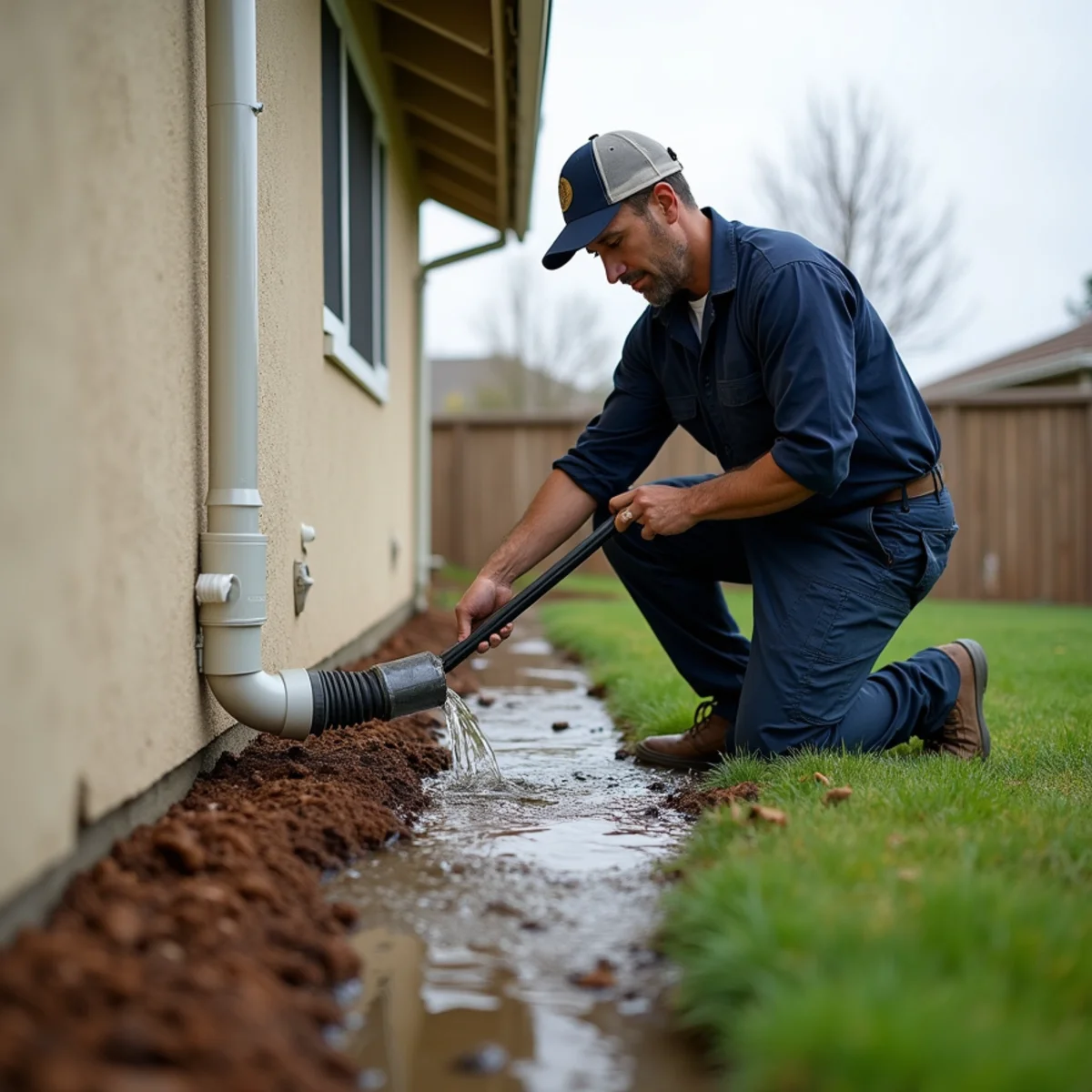
- Clear every downspout, and confirm each discharges at least four to six feet from the foundation — extensions are inexpensive
- Clear all area drains, yard drains and channel drains; lift the grates and remove the silt underneath, not just the leaves on top
- Check the grade around the entire house — soil should fall away from the structure. Decades of added landscaping and mulch frequently reverse it
- Check that crawl space vents sit above the surrounding grade, not level with or below it
- Check garage and exterior door thresholds where water could enter at grade
Tier 2 — Roof and Envelope

Inspect from the ground with binoculars or a zoom lens. Do not climb onto a tile roof.
- Look for cracked, slipped or missing tiles and lifted shingle edges
- Check flashing at chimneys, skylights and roof-to-wall junctions — the places roofs actually leak
- Check plumbing vent boots specifically; the rubber collars dry out and split in this climate and are a very common leak source
- Look for granule accumulation in gutters, which indicates composition shingle nearing end of life
- Trim any limbs overhanging the roof — wind turns those into punctures
- Check that skylight seals and any roof penetrations added later are intact
Tier 3 — Interior Plumbing
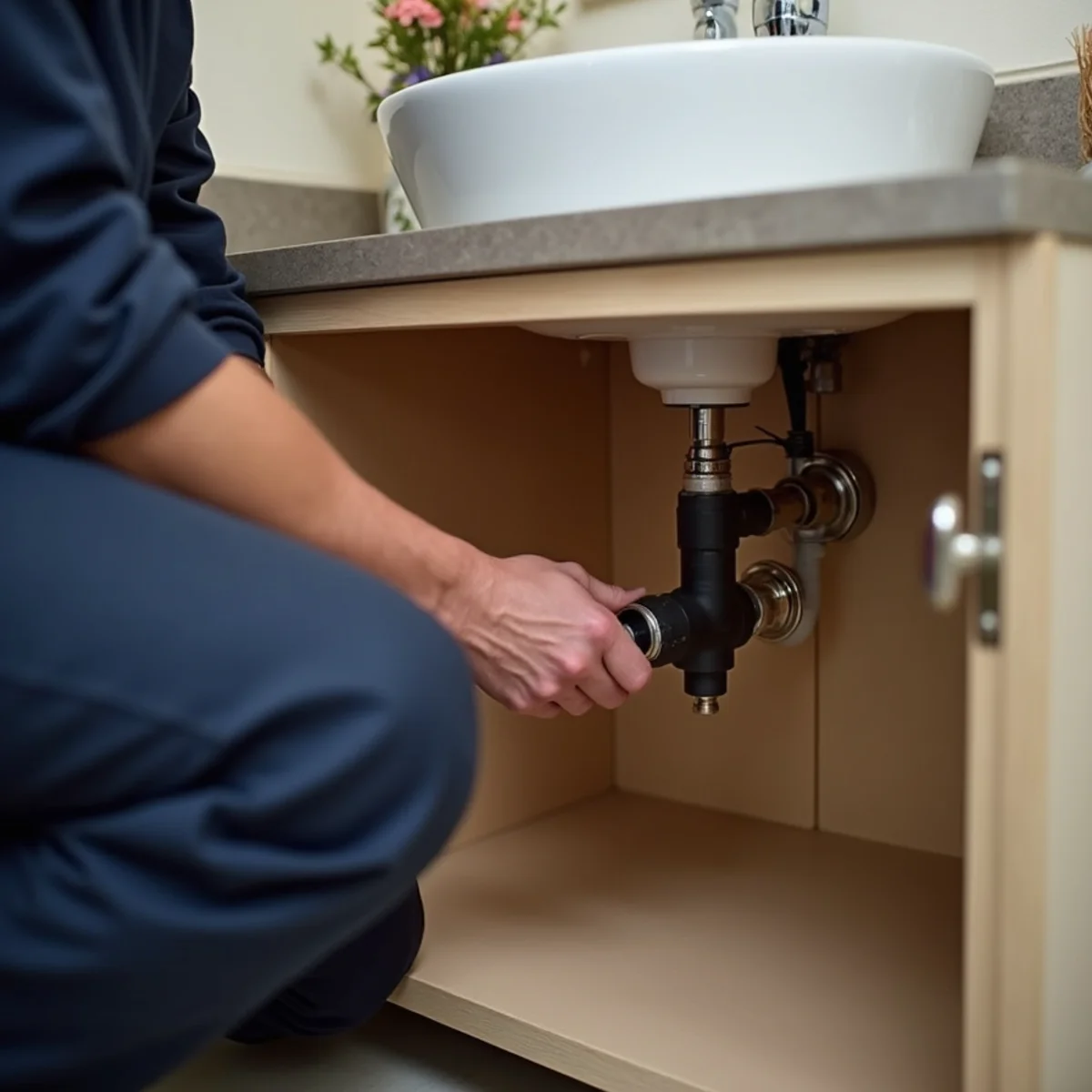
The wet season coincides with heating season, and both put load on systems that sat idle through summer.
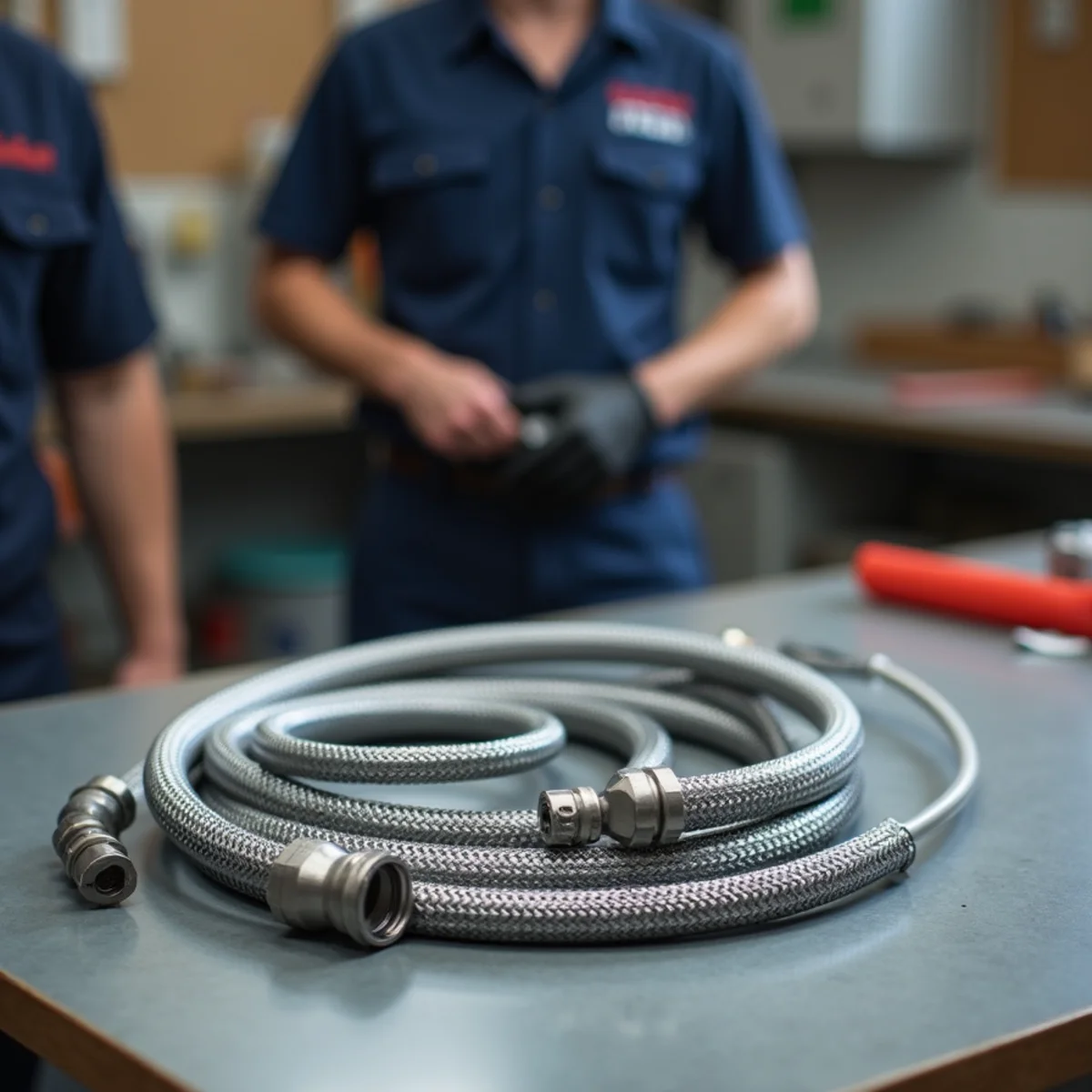
- Replace washing machine hoses if they are more than five years old, and write the date on the new ones
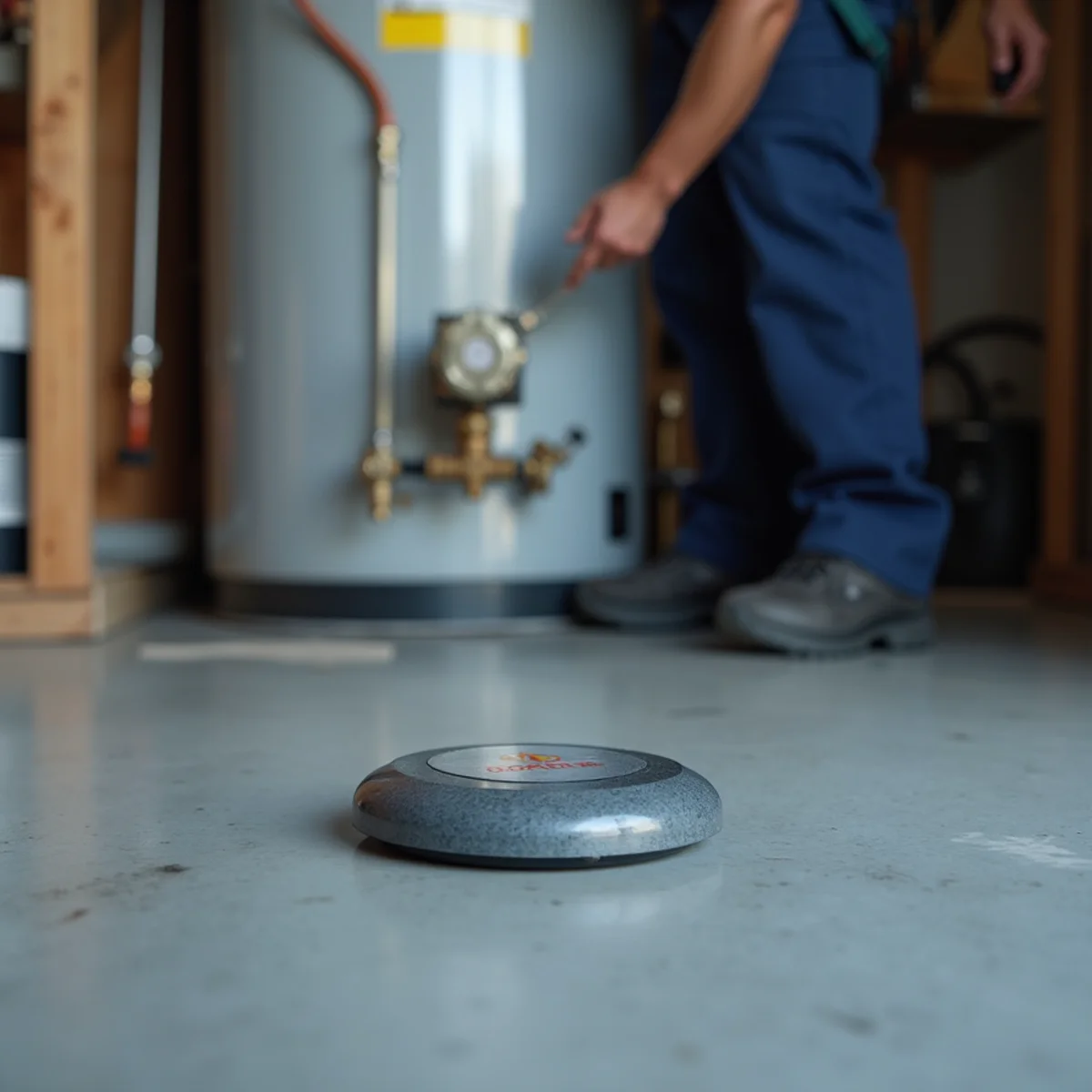
- Check the water heater: straps into structure, flexible connectors, drip pan with a drain, and the date on the data plate
- Test every angle stop under sinks and behind toilets — a valve that will not turn is useless in an emergency
- Locate and test your main shut-off, and buy a meter key if yours needs one
- Run the two-minute meter test: everything off, watch the dial. Movement means a leak already in progress
Tier 4 — Preparedness
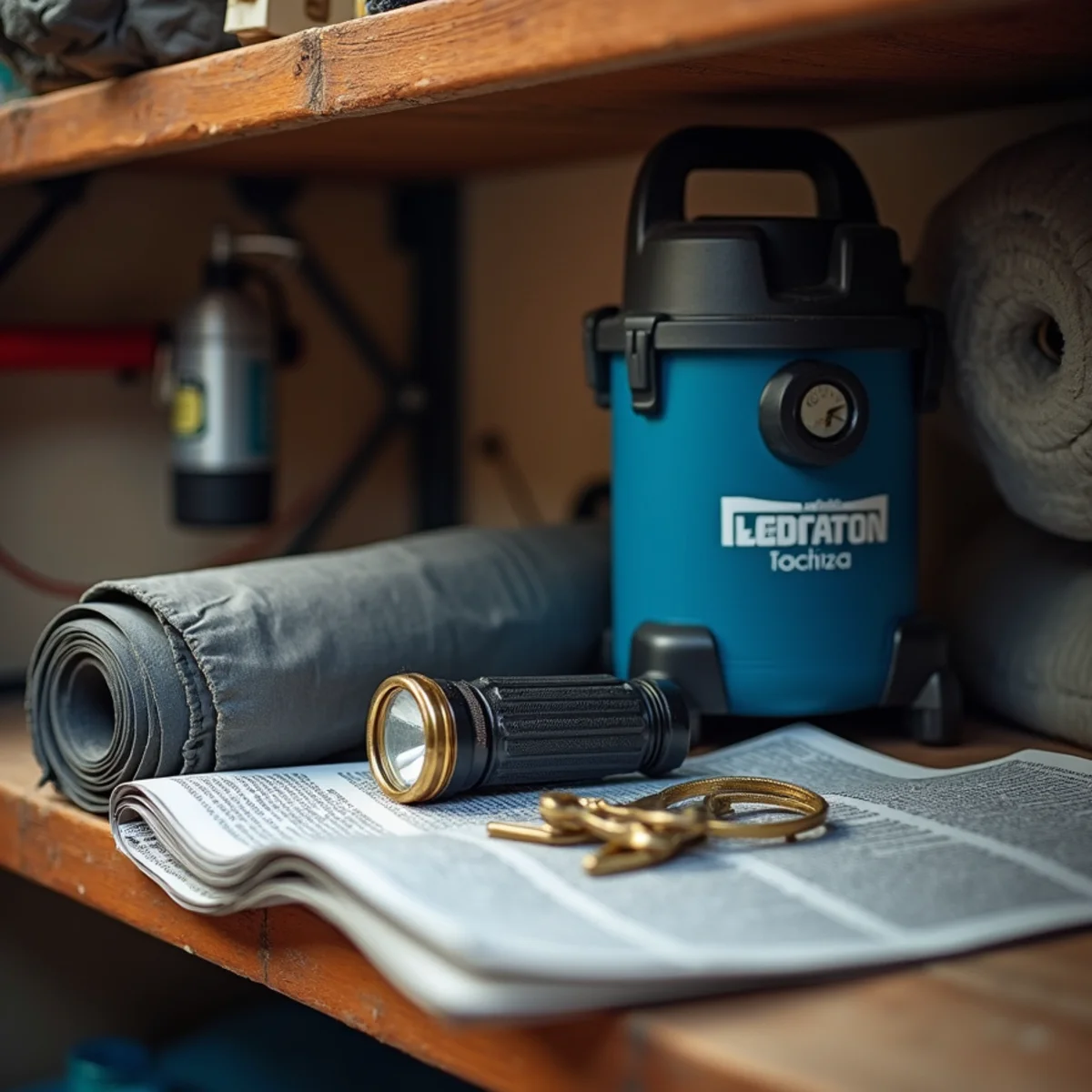
Cheap, and it matters on the night.
- Sign up for Los Angeles County emergency alerts
- Photograph the exterior and interior of your home in good condition, and store it off-site — a pre-loss record is invaluable on a disputed claim
- Review your policy for what is and is not covered, especially flood and water backup endorsements
- Keep a torch, a wet/dry vac and a couple of tarps somewhere accessible
- Save a restoration company number in your phone before you need it
The Hillside Additions
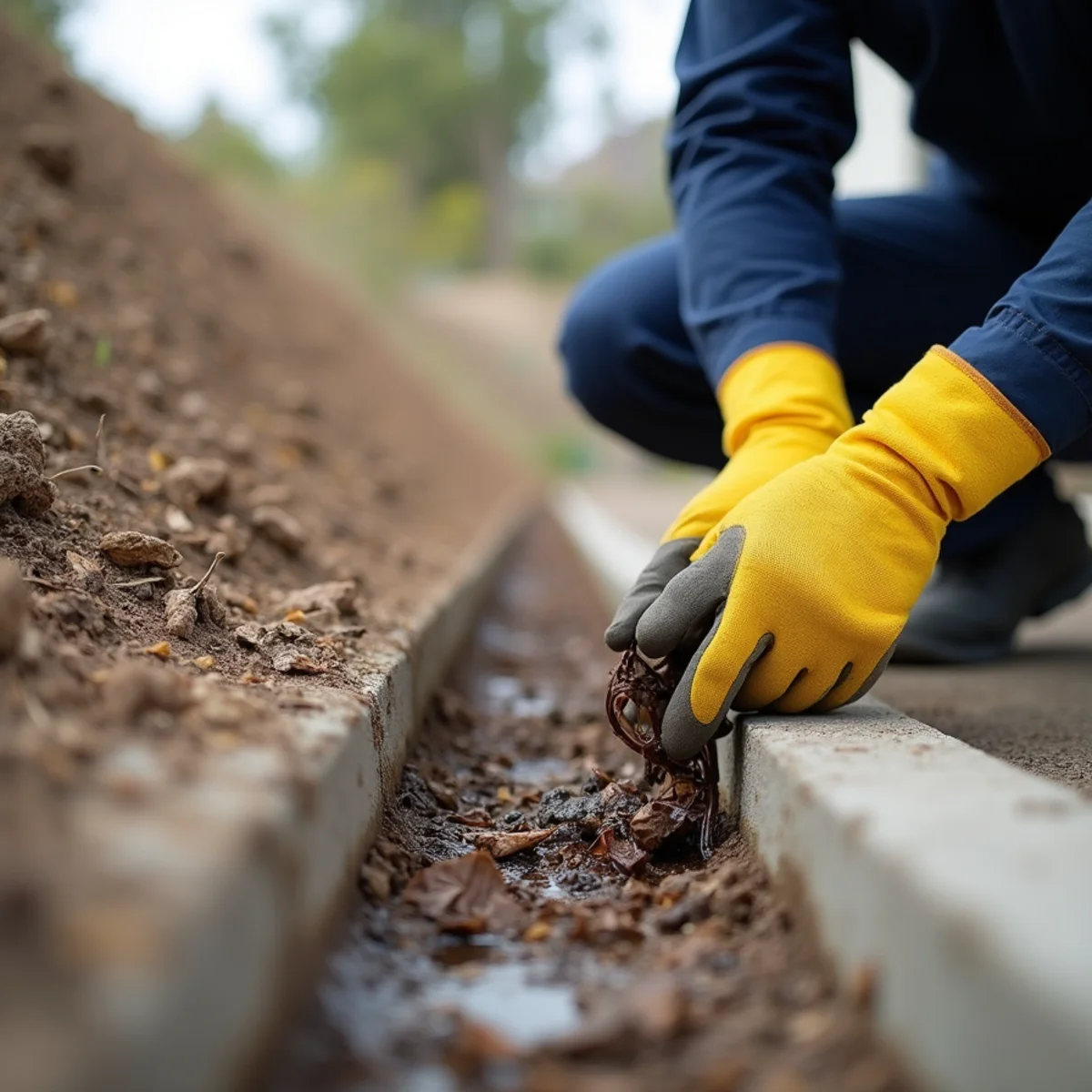
If you are on a slope — Rose Hills, the Friendly Hills foothills, Hacienda Heights, Rowland Heights — add these.
Clear terrace drains, swales and any hillside subdrain outlets. These are the engineered systems that route water around your pad, and they silt up invisibly.
Check that retaining wall weep holes are open. A wall with blocked drainage holds saturated soil at far higher pressure than it was designed for, and it seeps.
Insulate exposed exterior plumbing — hose bibs, irrigation risers and lines along outside walls. Elevation here occasionally sees genuine freezing conditions that flat Whittier does not.
Why the Tiers Are in That Order
The sequence is not arbitrary and it is not simply outside-to-inside. It reflects where losses actually originate, weighted by how cheap each item is to address.
Drainage sits first because ground-level entry causes more of what we attend than roof failure does, and because nothing on the list is cheaper to fix. A blocked area drain and a downspout discharging against a wall are an afternoon with a bucket and a hose. The same two defects during a four-day system put water under a threshold and into a hallway, which is extraction, drying, flooring and often an uncovered claim — because water that crossed the ground is flood, not a homeowners loss.
Roof sits second because it is more expensive to correct and because the highest-yield checks are the unglamorous ones — vent boots, flashing, roof-to-wall junctions — rather than the tiles people look at. Interior plumbing sits third not because it matters less but because it is not seasonal: a five-year-old washing machine hose is exactly as likely to fail in July. Preparedness sits last because it changes nothing about whether you have a loss, and a great deal about what it costs you when you do. The pre-loss photo record in particular takes fifteen minutes and settles arguments about condition that are otherwise unwinnable.
The bottom line
Three hours in October. Drainage first, roof second, plumbing third.
It is the highest-return maintenance in the Southern California calendar, and almost nobody does it.